
Apolinario Mabini: Filipino revolutionary leader, lawyer, and statesman
A concise overview of Apolinario Mabini (1864–1903): his life, legal career, leadership in the Philippine Revolution, writings, exile and legacy as a constitutionalist and national adviser.
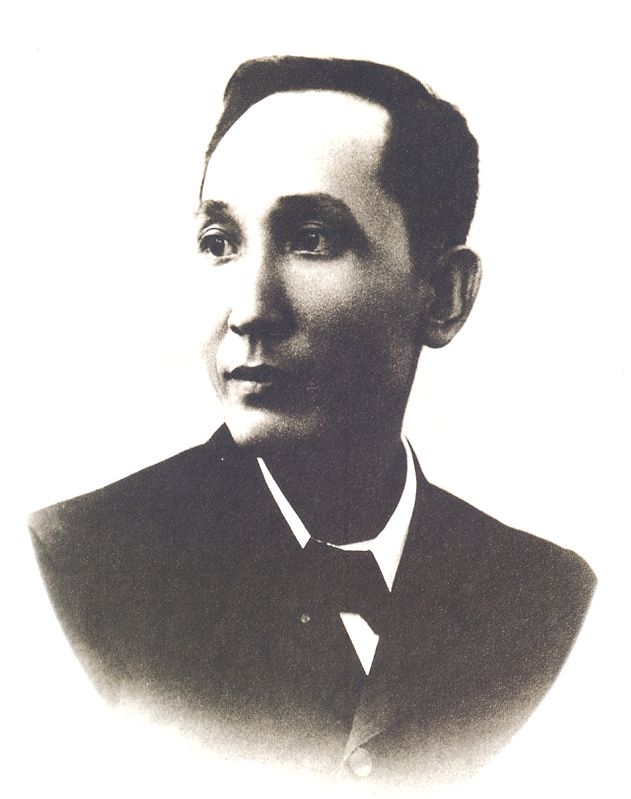
Apolinario Mabini was a Filipino lawyer, journalist and political thinker who played a central role in the Philippine struggle for independence at the turn of the 20th century. Born on July 23 in 1864, he became the most trusted adviser to the revolutionary leadership and is widely regarded as a principal architect of the provisional republican government of the Philippines proclaimed in 1898. He died on May 13 in 1903, leaving a reputation as a committed constitutionalist and moral voice of the independence movement.
Mabini trained and worked as a lawyer and journalist; he developed a firm interest in political theory and legal reform. Late in the 1890s he became partially paralyzed and used a wheelchair, but continued to advise and write. His legal training informed his insistence on lawful institutions, accountable government and the protection of civil liberties during a period of rapid political change.
During the revolutionary period he served as chief civil authority in the nascent republic, holding posts such as prime minister and foreign minister in the revolutionary cabinet. He was also the first chairman of the Philippine Supreme Court in the republican government established in 1898, a role that extended into 1899. His counsel emphasized education, civic virtue and a republican constitutional order rather than personalist or purely military rule.
Image gallery
10 Images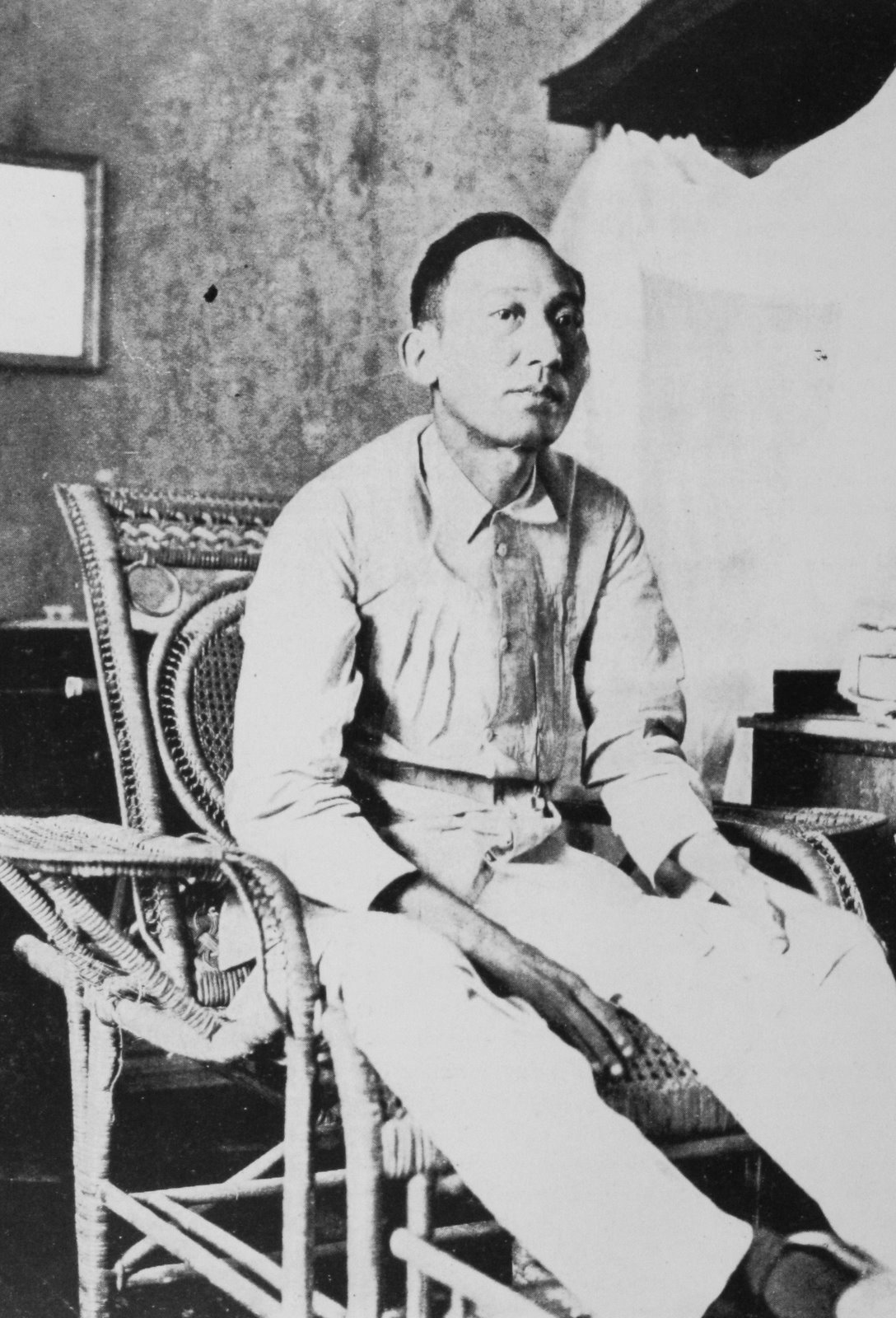



Writings and ideas
Mabini left several essays and political pamphlets advocating an independent republic governed by law. His writings argued for:
- constitutional government and separation of powers;
- civil rights and public accountability;
- a principled foreign policy that defended independence against colonial takeover.
Later life, exile and legacy
After the end of Spanish rule the Philippines faced new conflicts and foreign intervention. Mabini opposed external domination and, as political fortunes changed, he experienced arrest and exile. He returned to the archipelago before his death and has since been commemorated in monuments, place names and school curricula as a moral and intellectual leader of the independence movement.
Notable facts: Mabini is often called the "brains of the revolution" and remembered for defending civilian rule and constitutional principles in a turbulent era. His example remains important in Philippine legal history and civic education.
Related articles
Author
AlegsaOnline.com Apolinario Mabini: Filipino revolutionary leader, lawyer, and statesman Leandro Alegsa
URL: https://en.alegsaonline.com/art/4899