
Apuleius: Roman-era novelist, rhetorician and philosopher
Apuleius (c.125–c.170/175) was a North African-born writer, philosopher and rhetorician known for the novel The Golden Ass, his Apology, and works on Platonic thought and religion.
Apuleius was a prominent Greco-Roman writer, teacher of rhetoric, and philosopher active in the second century CE. Born in Madauros in Roman North Africa around 125, he combined literary skill, philosophical learning and practical oratorical training. He is best remembered for his prose novel commonly called The Golden Ass (Metamorphoses), a lively mixture of adventure, satire, religious description and myth, and for the courtroom speech preserved as the Apology, delivered in his own defence against a charge of using magic.
Image gallery
6 Images


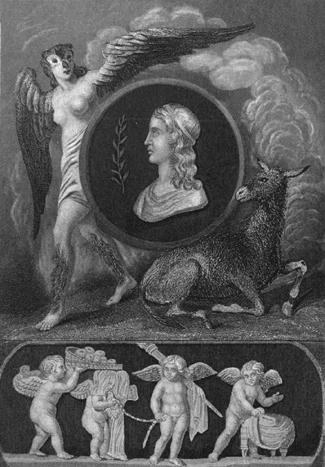
Life and education
Details of Apuleius’s life are known only in sketchy outline. He was educated in Carthage and later in Athens, centres of higher learning in the Roman world, where he studied rhetoric, philosophy and law. Medieval tradition often called him "Lucius Apuleius" — a name borrowed from the protagonist of his novel — but his personal praenomen is not securely recorded. Travelling widely through the Mediterranean, he appears to have taken an interest in religious practices and mystery cults, a theme that surfaces in his fiction and other writings.
Major works and themes
Apuleius wrote in Latin and left a varied corpus: the comic and picaresque narrative of The Golden Ass; the Apology, a self-defensive speech that illuminates social and legal life in Roman Africa; and several shorter philosophical and rhetorical treatises. These include works that engage with Platonic and Socratic ideas and collections of memorable passages. His writings blend erudition and popular storytelling, and they frequently address transformation, the boundary between the human and the divine, and the role of mystery religions.
The Golden Ass and the tale of Cupid and Psyche
The Golden Ass is the only Latin novel to survive in full and follows Lucius, a curious traveler who is accidentally transformed into a donkey and undergoes a series of episodic adventures before regaining human form. The work contains the famous embedded story of Cupid and Psyche, a mythic romance that has inspired artists and writers for centuries. The novel balances comic incident, sensual detail and serious reflection on salvation and initiation, culminating in a vivid depiction of the Isis cult and its rites.
Trial, the Apology, and religious context
Apuleius was accused in the later second century of employing incantations or magic to win a wealthy older bride, a charge he answered publicly in the Apology delivered at Sabratha in present-day Libya. The speech survives and is an important source for Roman provincial society, attitudes toward magic, clientage and marriage, and the workings of rhetorical advocacy. Apuleius’s sympathetic representation of the cult of Isis reflects broader Roman interest in eastern mystery religions during this period.
Legacy
Apuleius’s influence stretched from Late Antiquity through the Middle Ages and into the Renaissance: The Golden Ass was read, copied and commented on by scholastics and humanists, and its themes resonated in later fiction and art. Modern scholars study Apuleius for his blending of philosophical argument, folkloric material and learned allusion, and for the way his works illuminate cultural encounters within the Roman Empire.
Further reading and resources
- Overview of Apuleius’s life
- Details of the trial and Apology
- The cult of Isis in the Roman world
- Studies of mystery religions
- Text and analysis of Cupid and Psyche
- Translations of The Golden Ass
- Madauros and Roman North Africa
- Medieval reception of Apuleius
- Education in Carthage and Athens
- Apuleius and Platonic thought
- Manuscript tradition and later influence
Note: This article summarizes broadly accepted facts about Apuleius while avoiding speculative details where the historical record is uncertain. For primary texts and critical editions, consult the bibliographies linked above.
Questions and answers
Q: Who was Apuleius?
A: Apuleius was a philosopher and rhetorician who was tried for using magic to win an older and richer bride. He is better known for his novel about the cult of Isis and the adventures of its hero, Lucius.
Q: When was Apuleius born and where?
A: Apuleius was born in about 125 in Madauros, Numidia.
Q: What is the name of Apuleius' novel, and what is it about?
A: Apuleius' novel is known as either The Golden Ass or The Metamorphoses (also Transformations of Lucius). It is about the cult of Isis and the adventures of its hero, Lucius.
Q: What is the Apology of Apuleius?
A: The Apology of Apuleius is a speech that he delivered in 158 in the town of Sabratha, Tripolitania (modern Libya) as a defense against the charge of using magic to win a richer and older bride called Pudentilla.
Q: What topics does Apuleius provide insight into in his Apology?
A: In his Apology, Apuleius provides a glimpse into second century Roman law, the economic and social conditions of Roman North Africa, and the attitude towards magic.
Q: What other books did Apuleius write besides his novel and his Apology?
A: Apuleius also wrote books on Plato, Socrates, and Aristotle.
Q: Why was Apuleius often called "Lucius Apuleius" by writers in the Middle Ages?
A: It is not known what his first name was, although writers in the Middle Ages often called him "Lucius Apuleius" because the hero of his novel was called Lucius.
Related articles
Author
AlegsaOnline.com Apuleius: Roman-era novelist, rhetorician and philosopher Leandro Alegsa
URL: https://en.alegsaonline.com/art/5068