
1903
A concise encyclopedia entry for the year 1903: calendar note, major events (Wright brothers, Ford, Panama), cultural and scientific milestones, and notable births and deaths.
Overview
1903 (Roman numeral MCMIII) was a common year that began on Thursday in the Gregorian calendar. It sits early in the 20th century and is often remembered for milestones in aviation, industry and international politics that helped shape the modern era.
Image gallery
10 Images


Notable events and developments
The year saw a mix of technological breakthroughs, corporate foundations and geopolitical change. Highlights include the first sustained, controlled powered flight by the Wright brothers in December, the founding of the Ford Motor Company, and the separation of Panama from Colombia with important diplomatic consequences for canal construction and United States influence in the region.
- Aviation: The Wright brothers achieved the first controlled powered flights at Kitty Hawk, marking a turning point in transport and engineering.
- Industry: Henry Ford established the Ford Motor Company, a step toward mass automobile production and changes in manufacturing methods.
- Politics: Panama declared independence from Colombia; ensuing arrangements led to U.S. control over the future Panama Canal zone.
- Sports and culture: The inaugural Tour de France was held, launching an annual sporting tradition.
- Science: The Nobel Prizes continued to recognize discoveries of the era; 1903 is associated with early work on radioactivity and modern physics.
People born and deceased
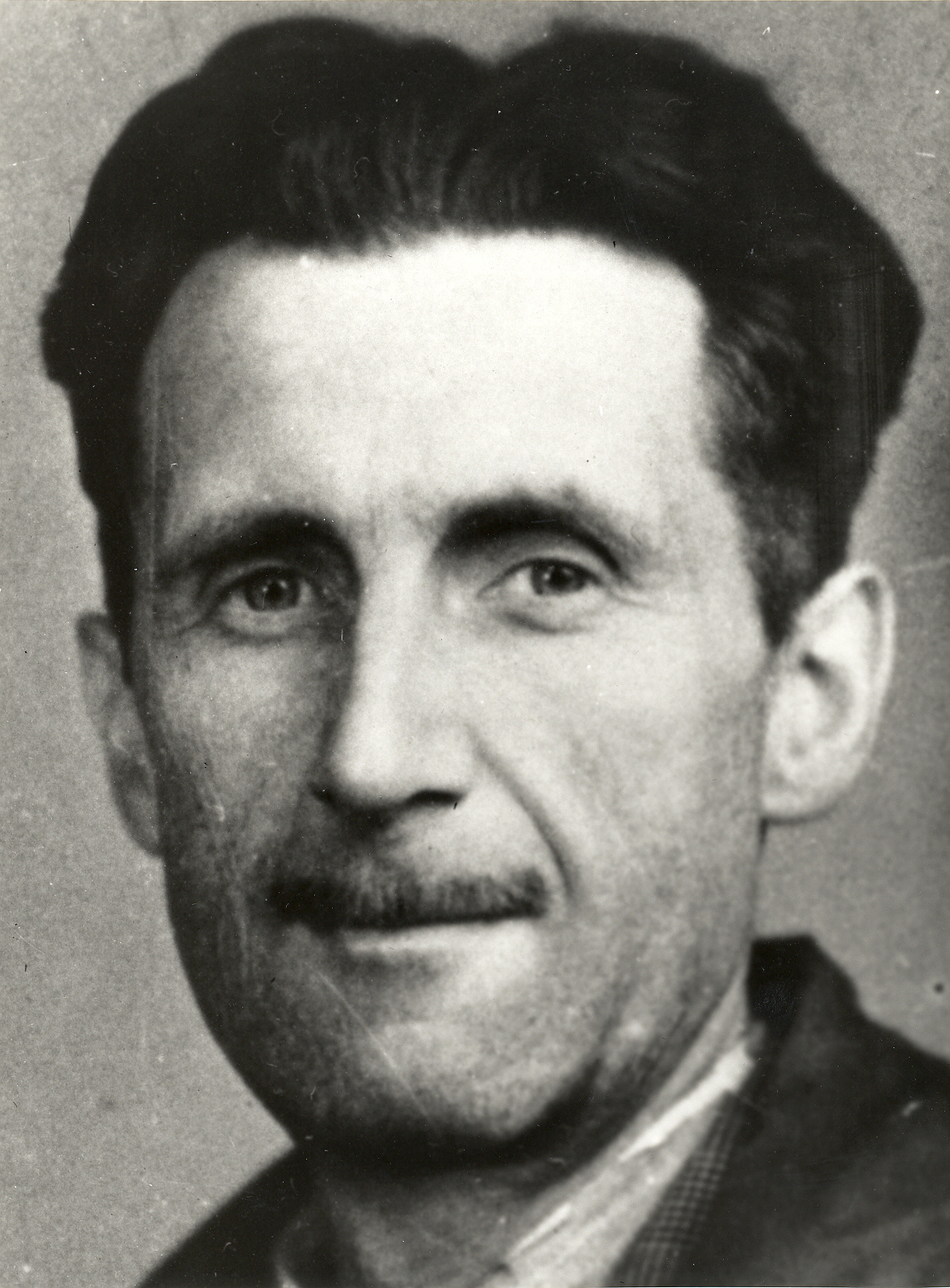
Several figures who later became prominent in literature, science and entertainment were born in 1903. Among them were the novelist Eric Arthur Blair (better known as George Orwell), the entertainer Crosby, and the mathematician John von Neumann. The art world lost important painters whose careers belonged to the 19th century.
- Notable births: George Orwell (author), Bing Crosby (singer and actor), John von Neumann (mathematician).
- Notable deaths: Artists and public figures from earlier generations passed away as the century turned; their work remained influential in modern movements.
1903 is often treated as a year in which inventions and institutions that define modern life—air travel, automobile manufacturing, and international infrastructure projects—moved from experiment or idea toward practical reality. Its events are frequently cited in surveys of early 20th-century technological and political change.
Related articles
Author
AlegsaOnline.com 1903 Leandro Alegsa
URL: https://en.alegsaonline.com/art/111890