
Izalco: the young cinder cone volcano of western El Salvador
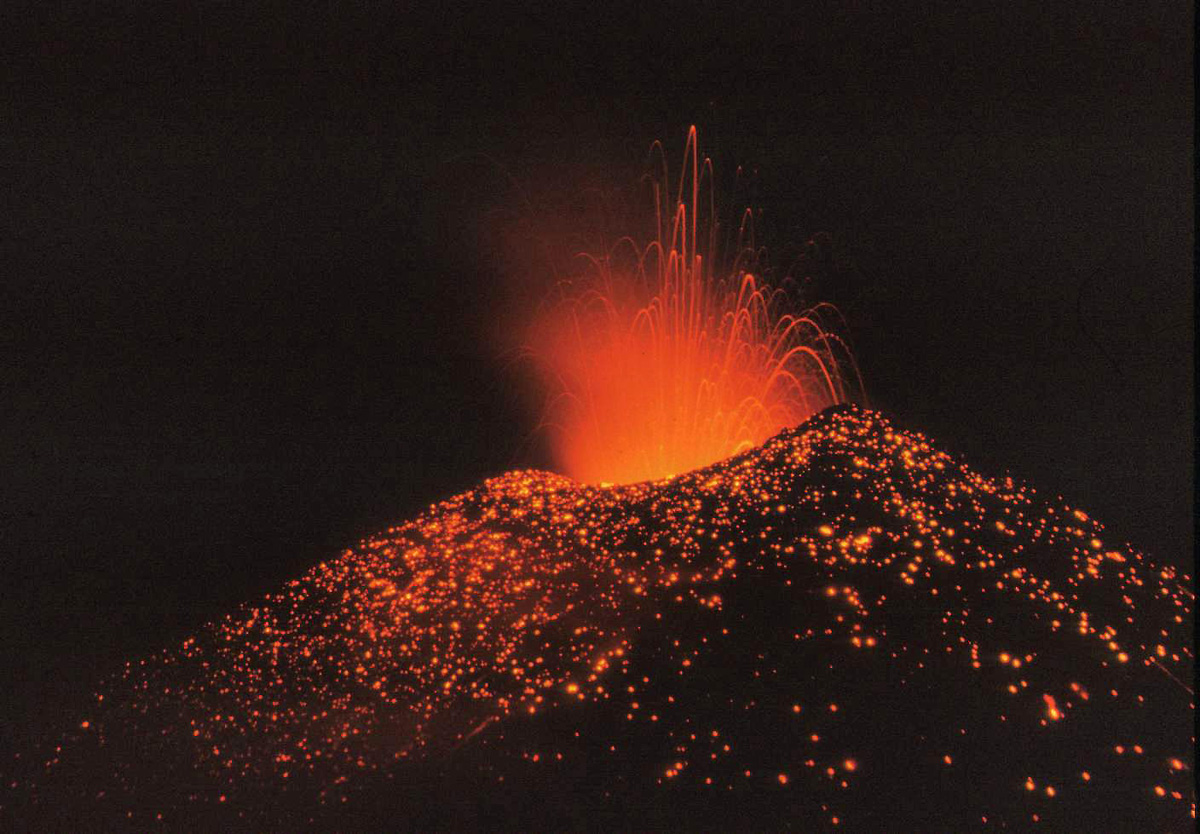
Izalco is a prominent young cinder-cone volcano on the western flank of the Santa Ana complex in El Salvador, known for its dark slopes, frequent historical eruptions and the nickname "Lighthouse of the Pacific."
Izalco is a volcanic cone in western El Salvador notable for its steep, dark slopes and youthful shape. It rises near the larger Santa Ana volcano, about three kilometers to the south, and forms part of a closely related volcanic group that dominates the western Salvadoran highlands.
Image gallery
7 Images



Geology and appearance
Izalco is a classic cinder cone built from basaltic lava and volcanic ash. Its composition and eruptive style produced loose, fragmented material that accumulated around a single central vent to form a sharply conical, blackened peak. Because it is relatively young compared with neighboring peaks, its slopes are steep and sparsely vegetated in places.
History and eruptive behaviour
Izalco first appeared in the historical record in the late 18th century and became famous for frequent strombolian-style eruptions. These repeated eruptions gave it a reputation as a near-constant source of glowing lava and ash, earning the nickname "Lighthouse of the Pacific." Activity declined in the 20th century and the cone has been largely quiet in recent decades, though it remains a monitored volcanic feature.
Because of its eruptive history and proximity to populated areas, Izalco has long been studied by volcanologists and is included in regional hazard assessments. Its steep, loose slopes are prone to rapid erosion and small pyroclastic flows during eruptions, so access is regulated during periods of unrest.
Importance and tourism
The cone is a popular destination for hikers and students of volcanism. Trails in the surrounding parks provide views of Izalco and the adjacent Santa Ana caldera, and visitors can learn about the volcanoes' formation and local ecosystems. Interpretive signs and guided tours often explain why Izalco stood out in historical accounts.
- Location: Part of the western volcanic chain near Santa Ana.
- Type: Young basaltic cinder cone with strombolian activity.
- Nickname: "Lighthouse of the Pacific" for its historic glow.
- Resources: Scientific monitoring and protected parkland around the cone.
For general descriptions and maps, see introductory resources on the region's volcanism at volcano information pages and national tourism or conservation sites for visitor guidance.
Related articles
Author
AlegsaOnline.com Izalco: the young cinder cone volcano of western El Salvador Leandro Alegsa
URL: https://en.alegsaonline.com/art/48754