
Izu Islands
Chain of volcanic islands south of Tokyo administered by Tokyo Metropolis. Known for volcanic landscapes, hot springs, marine life and several small inhabited communities, the largest being Oshima.
Overview
The Izu Islands are a group of volcanic islands stretching southward from the Izu Peninsula into the Philippine Sea. Although geographically distinct from mainland Honshu, they are administered as part of Tokyo and are often described together with other island groups of Japan. The islands are valued for their dramatic terrain, coastal scenery and marine biodiversity.
Image gallery
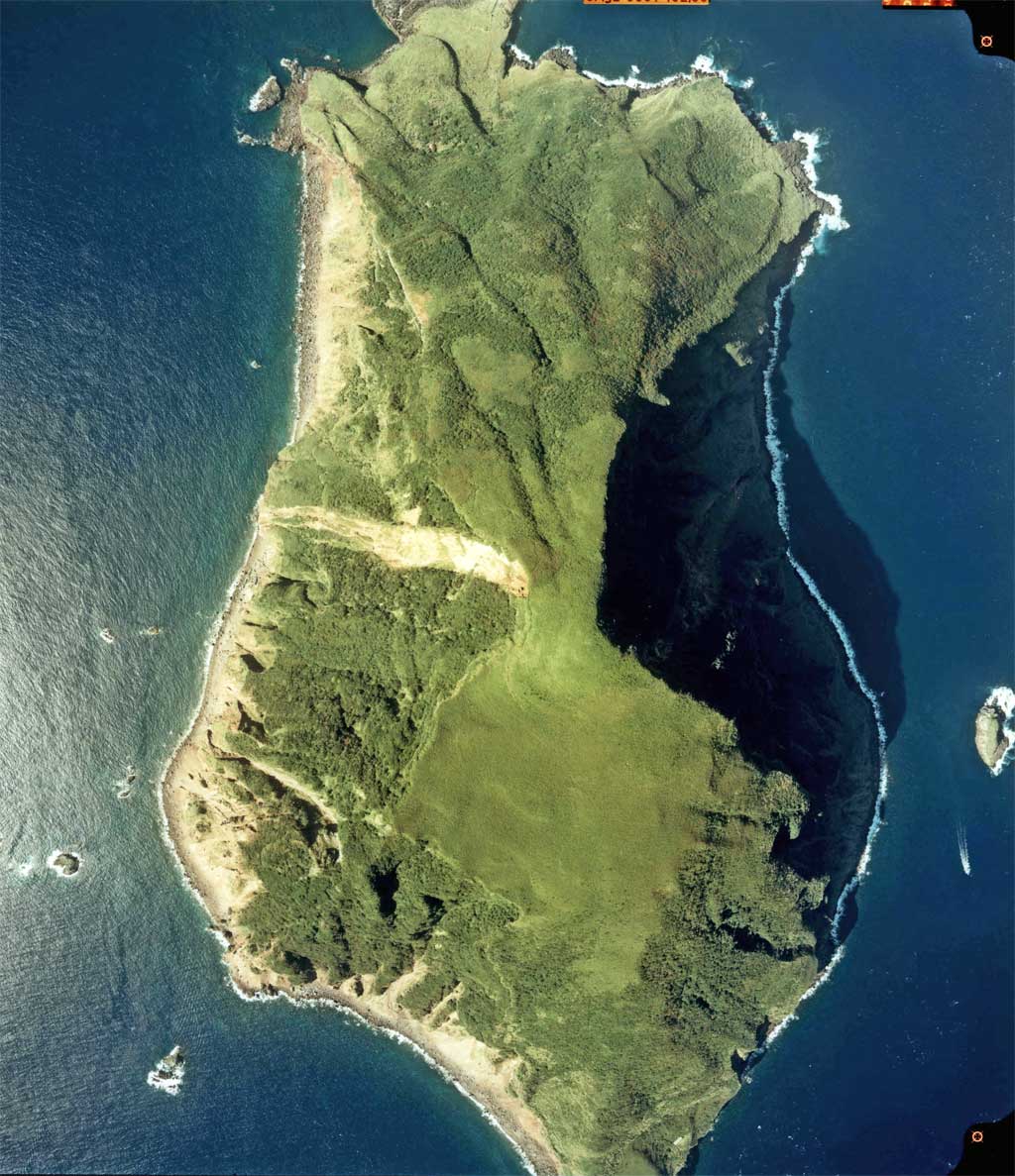
10 Images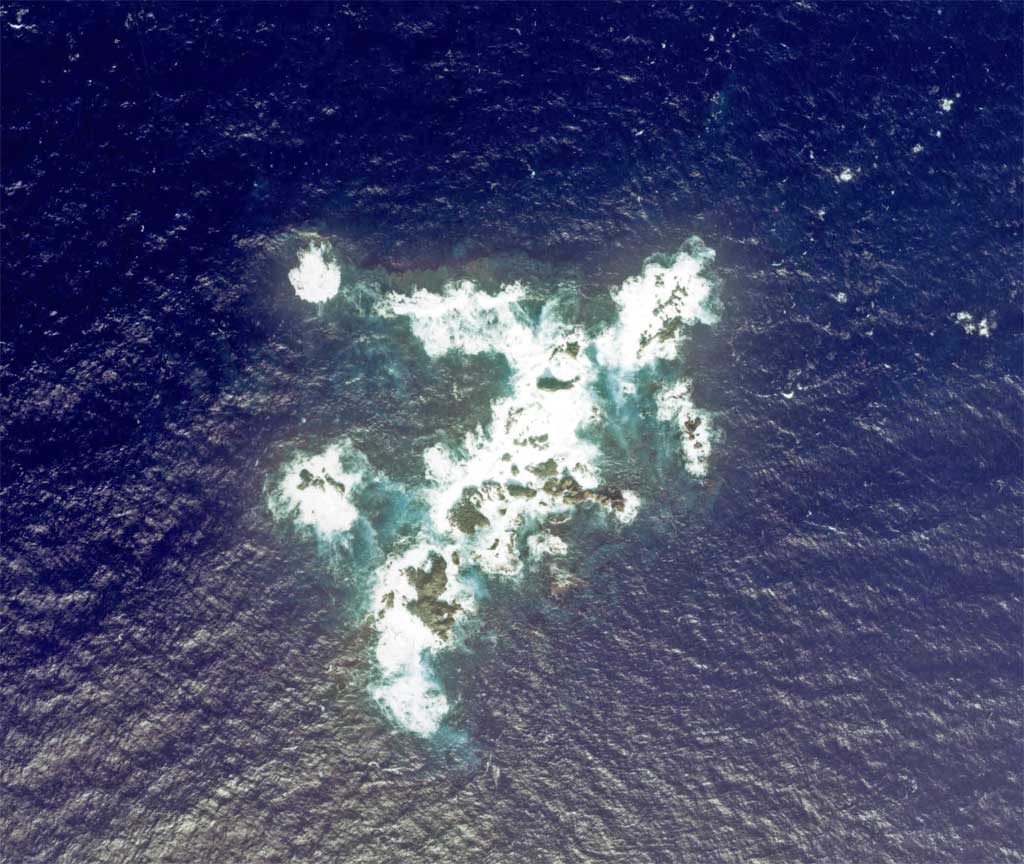



Geography and geology
The archipelago sits along the Izu–Bonin volcanic arc and is made up of many islets, rocks and larger islands formed by relatively recent volcanic activity. Landscapes include steep cliffs, sheltered bays, beaches and volcanic calderas. Volcanism has shaped human settlement, with some islands experiencing eruptions and fumarolic activity in modern times.
Inhabited islands
Nine islands are commonly counted as inhabited. The best known include Oshima (the largest), Toshima, Niijima, Shikinejima, Kozushima, Miyakejima, Mikurajima, Aogashima and Hachijojima. These islands vary greatly in size, population and accessibility but share a reliance on marine resources and visitor services.
History and administration
Human use of the islands stretches back centuries. In different eras the islands served as fishing and trading bases, waystations for maritime routes and, at times, places of exile. Today they are governed as part of Tokyo Metropolis, with local municipal administrations on the inhabited islands and links to the capital for transport, health and education services.
Economy, tourism and environment
Local economies center on fishing, small-scale agriculture, aquaculture and tourism. Visitors come for hot springs, snorkeling and diving, birdwatching and hiking. Ferries and short flights connect the islands with the Japanese mainland and with each other. Conservation is important: the islands support seabird colonies, endemic plants and marine habitats, and some areas are included in protected parklands.
Notable facts and distinctions
- The archipelago is volcanic and continues to be geologically active.
- Although part of Tokyo administratively, the islands have distinct cultures and lifestyles shaped by isolation and the sea.
- Travel to the islands is typically by ferry or regional air services; seasonal weather can affect schedules.
- For more general context about Japan's island groups see Japanese islands.
Related articles
Author
AlegsaOnline.com Izu Islands Leandro Alegsa
URL: https://en.alegsaonline.com/art/48769