
Aphra Behn: Restoration writer, playwright, and early professional woman author
Aphra Behn (1640–1689) was a prolific English writer of the Restoration era — one of the first women to earn a living by writing, author of plays, poetry and the novel Oroonoko.
Aphra Behn (10 July 1640 – 16 April 1689) was an English dramatist, poet and novelist of the Restoration period. She is often cited as one of the first English women to sustain herself by writing and remains a focal figure in studies of early modern literature, gender, and the professionalization of authorship.
Image gallery
6 Images


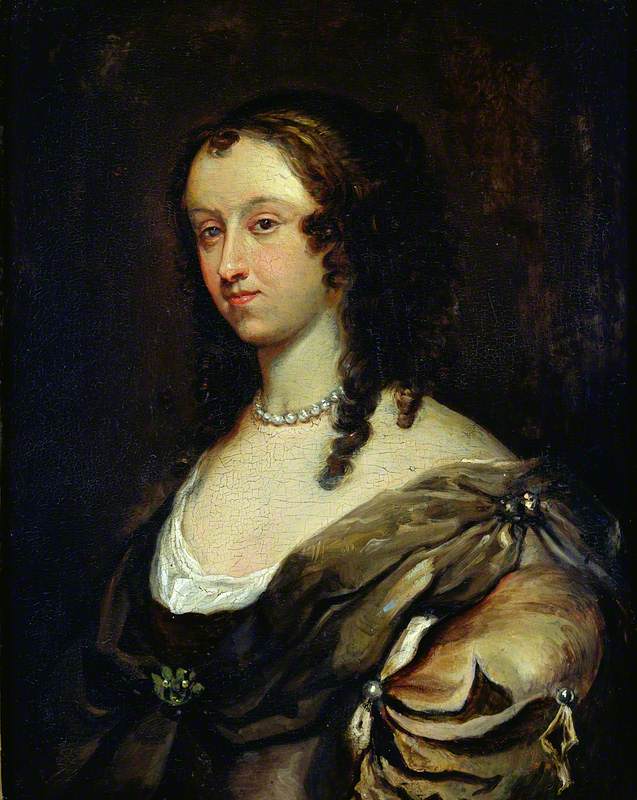
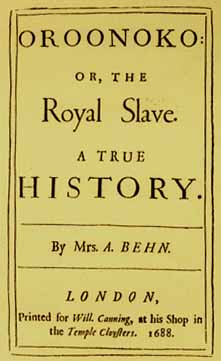
Life and background
Biographical records of Behn's early life are incomplete and sometimes contradictory. She is believed to have been born in Kent and later worked in diplomatic and commercial circles that brought her into contact with court politics. For a time she served in a capacity widely described by historians as intelligence work for the English crown abroad, after which she returned to London and established herself as a writer.
Literary career and genres
Behn wrote across several forms: stage plays, poems, translations, and prose fiction. Her plays were produced in the vibrant theatrical culture of post-1660 London, and she became known for witty, sexually frank comedies and tragic works. She also authored one of the early English literary works often classified as a novel, which engaged themes of slavery, colonialism and human sympathy.
Notable works and themes
- The Rover and other stage plays that helped shape Restoration drama and its treatment of gender, desire, and social codes — often discussed in the same context as other contemporary works of the London stage. plays and performance
- Oroonoko, a prose narrative that mixes travel, biography and political comment to address slavery, honour and imperial encounter.
- Poems and translations that show linguistic skill and engagement with public debate.
Across these genres Behn explored sexual politics, power, loyalty, and the limits placed on women. Her dramatic characters frequently test social conventions; her prose took on larger moral and political questions in the expanding Atlantic world.
Reception and legacy
Contemporary audiences received Behn with a mix of acclaim and criticism; some objected to her candid treatment of sex and politics, while others valued her theatrical talent. Over the centuries her reputation shifted: she was often dismissed in the 18th and 19th centuries but was rediscovered and reassessed in the 20th century by writers and scholars who highlighted her role as an early professional woman writer and a forceful voice in Restoration culture. Modern criticism studies her contributions to theatre, the novel, and the history of women’s authorship.
Aphra Behn died in 1689 and was buried in the Poets' Corner at Westminster Abbey. She is remembered as a pioneering figure whose career helped open possibilities for later generations of women writers. For basic introductions and further reading, see resources on playwrights and Restoration literature.
Related articles
Author
AlegsaOnline.com Aphra Behn: Restoration writer, playwright, and early professional woman author Leandro Alegsa
URL: https://en.alegsaonline.com/art/4874