
Jin Mao Tower
Jin Mao Tower is a 420-metre, 88-storey skyscraper in Shanghai's Lujiazui district, completed in 1999. It blends modern engineering with traditional Chinese motifs and houses offices, a hotel, and an observation deck.
Overview
The Jin Mao Tower is a landmark skyscraper located in the Lujiazui finance district of Shanghai, China. Rising to approximately 420 metres with 88 floors, it was developed in the 1990s and opened near the end of the decade. At completion it was one of the tallest buildings in the world and it remains a prominent feature of Shanghai's skyline.
Image gallery
10 Images





Architecture and design
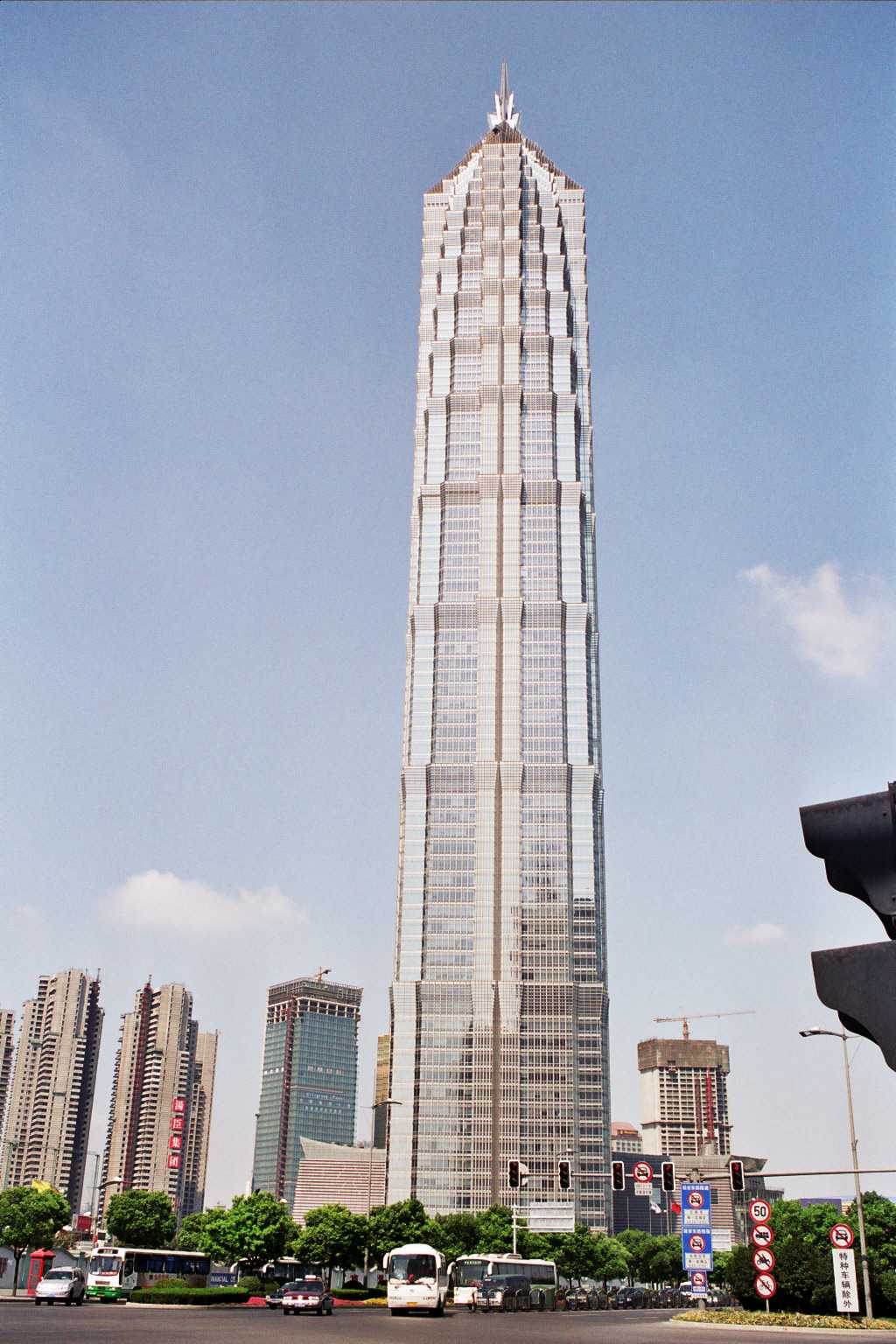
The tower's silhouette is notable for its tiered, tapering form that evokes the shape of a traditional Chinese pagoda while employing an Art Deco-influenced modern vocabulary. Its stacked setbacks reduce wind loads and create the impression of ascending levels. Designers combined aesthetic references to Chinese culture with contemporary materials and glazing to produce a structure meant to signal both heritage and progress.
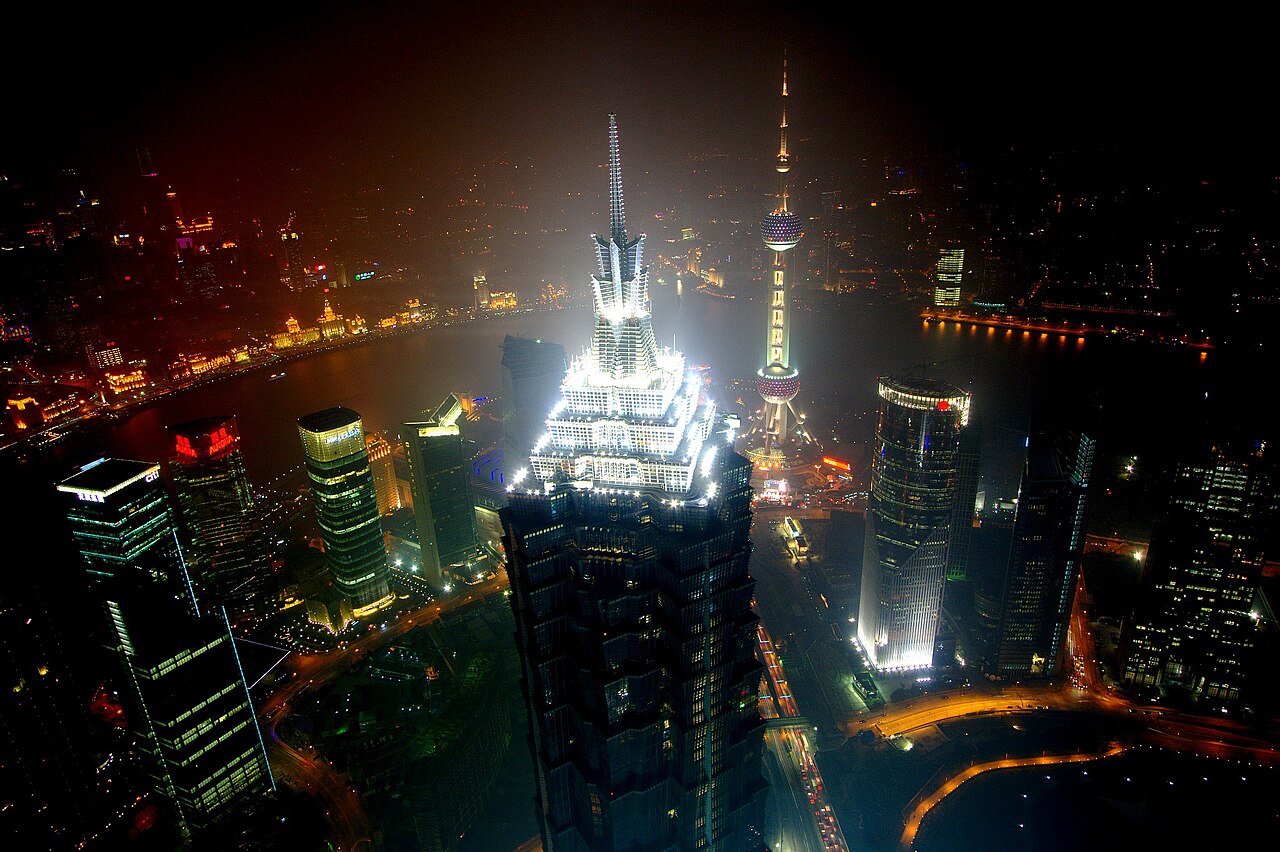
Key structural characteristics include a high-strength structural frame and a central core designed to resist wind and seismic forces. Public spaces near the base are arranged around a multilevel atrium, and the upper section contains viewing areas that offer panoramic vistas over the Huangpu River and the city.
Construction and history
Construction began in 1994 and concluded in 1999. The project was part of a larger transformation of the Pudong area into a global financial center. Building the tower required careful coordination of foundation work, high-strength materials and advanced construction techniques to meet both architectural ambitions and safety standards for a tall structure in a major urban environment.
Uses and visitor access
Jin Mao Tower combines office space, retail areas at its podium, and a luxury hotel occupying a portion of the upper floors. The tower also contains an observation deck and public viewing platforms that are popular with visitors seeking expansive views of the city. Its mixed-use program makes it both a commercial hub and a tourist attraction.
Notable facts and significance
- Height: about 420 metres; Floors: 88.
- Design blends traditional Chinese forms with modern skyscraper engineering.
- Part of the rapid redevelopment of Lujiazui into Shanghai's financial district in the late 20th century.
- Serves as a landmark for both business and tourism, contributing to the city's global image.
Today the Jin Mao Tower is often discussed alongside neighboring skyscrapers as part of Shanghai's trio of signature towers. It remains an instructive example of how cultural motifs can be integrated into high-rise design while meeting the functional demands of offices, hospitality and public observation spaces.
Questions and answers
Q: What is Jin Mao Tower?
A: Jin Mao Tower is a skyscraper located in Shanghai, China.
Q: How tall is Jin Mao Tower?
A: Jin Mao Tower is 420 metres (1,380 ft) tall.
Q: How many floors does Jin Mao Tower have?
A: Jin Mao Tower has 88 floors.
Q: In which year was Jin Mao Tower built?
A: Jin Mao Tower was built between 1994 and 1999.
Q: Where is Jin Mao Tower located?
A: Jin Mao Tower is located in Shanghai, China.
Q: Is Jin Mao Tower one of the tallest buildings in the world?
A: Yes, Jin Mao Tower is one of the tallest buildings in the world.
Q: How long did it take to build Jin Mao Tower?
A: Jin Mao Tower was built in the span of 5 years, between 1994 and 1999.
Related articles
Author
AlegsaOnline.com Jin Mao Tower Leandro Alegsa
URL: https://en.alegsaonline.com/art/50290
Sources
- emporis.com : Jin Mao Tower