
Apennine Mountains (Apennines)
A continuous mountain chain that runs the length of the Italian peninsula, the Apennines shape Italy’s geography, ecology, geology and human life; Corno Grande is its highest peak at 2,912 m.
Overview
The Apennine Mountains, commonly called the Apennines, form the long spine of the Italian peninsula. Stretching roughly 1,200 kilometres from the north of Italy to its southern regions, the chain dominates local climate, river systems and settlement patterns. The range is often described as the "backbone of Italy" because of its central position and continuity along the peninsula.
Image gallery
10 Images




Geography and main divisions
The Apennines are conventionally divided into three sectors: the Northern, Central and Southern Apennines. These divisions reflect differences in elevation, geology and landscape character. The highest summit in the chain is Corno Grande (2,912 metres), which belongs to the Gran Sasso massif in the central sector.
- Northern Apennines: lower ridges and passes connecting with the Ligurian and Tuscan areas.
- Central Apennines: higher massifs such as Gran Sasso and the Sibillini.
- Southern Apennines: rugged plateaus and peaks extending toward Calabria and the toe of Italy.
Geology and formation
The chain is the result of complex tectonic processes linked to the convergence of the African and Eurasian plates. Uplift and folding began in the Neogene and continued into the Quaternary, producing folded and thrust structures, limestone ridges and karst plateaus. The Apennines remain tectonically active, which accounts for frequent earthquakes and ongoing landscape change.
Ecology, human uses and importance
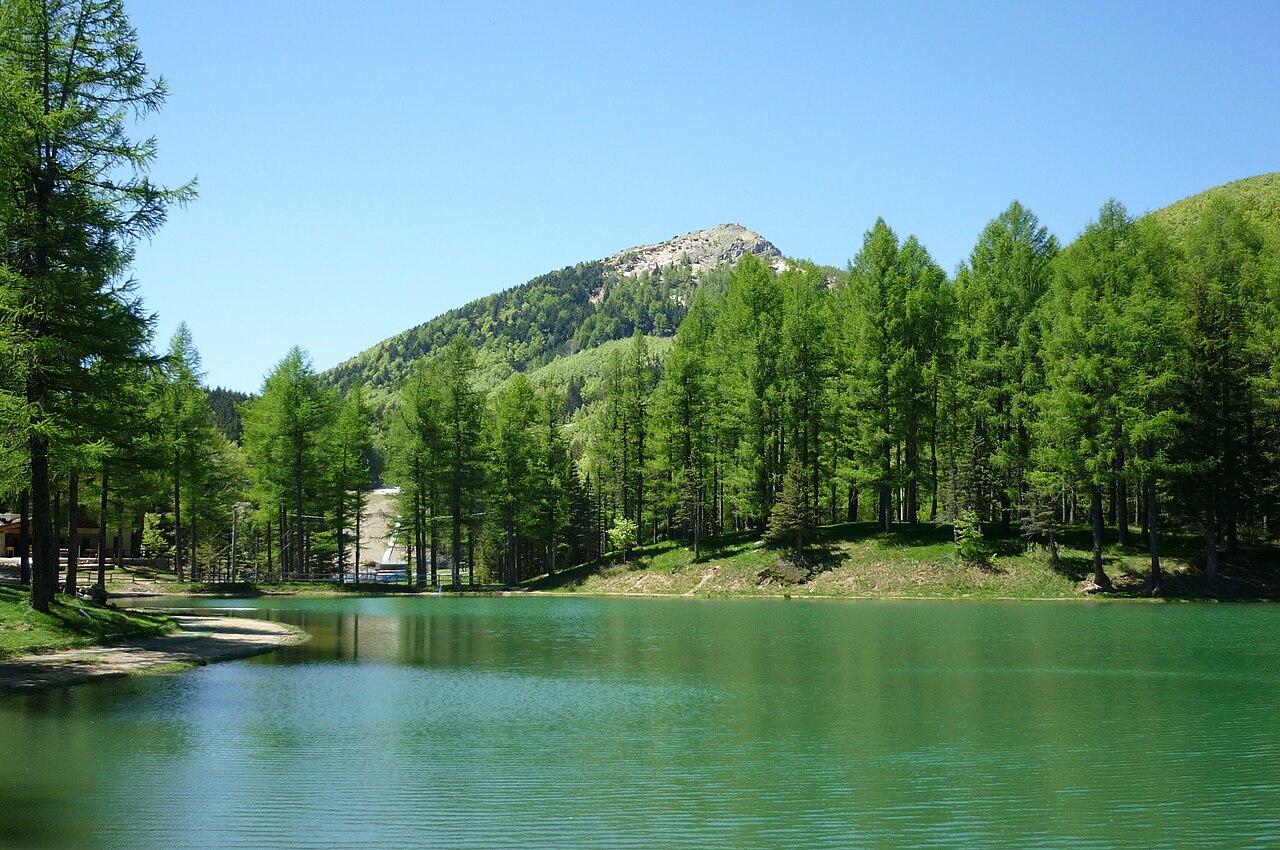
The mountains host mosaics of mixed forests, montane grasslands and high-altitude wetlands. They are important refuges for biodiversity and contain several national parks and protected areas, including Abruzzo and Gran Sasso e Monti della Laga. Economically and culturally the Apennines support pastoralism, forestry, small-scale agriculture, hydroelectric reservoirs and tourism: hiking, skiing and nature-oriented travel are widespread.
Notable features and facts
- Corno Grande (2,912 m) is the chain's highest point in the Gran Sasso massif.
- The mountains influence regional climates, producing wetter windward slopes and drier eastern valleys.
- Because of active tectonics the range has a history of earthquakes and landslides that affect communities and infrastructure.
- The Apennines have shaped Italian culture and settlement; many historic towns and pastoral traditions are embedded in their valleys.
For general geographic reference and further reading about the region, see Italy and related national park resources.
Related articles
Author
AlegsaOnline.com Apennine Mountains (Apennines) Leandro Alegsa
URL: https://en.alegsaonline.com/art/114491