
Mare Nostrum: fascist usage and historical meanings of 'Our Sea'
Mare Nostrum — Latin for 'Our Sea' — originally described the Mediterranean in Roman times and was revived by Mussolini's regime as a fascist slogan and geopolitical claim during World War II.
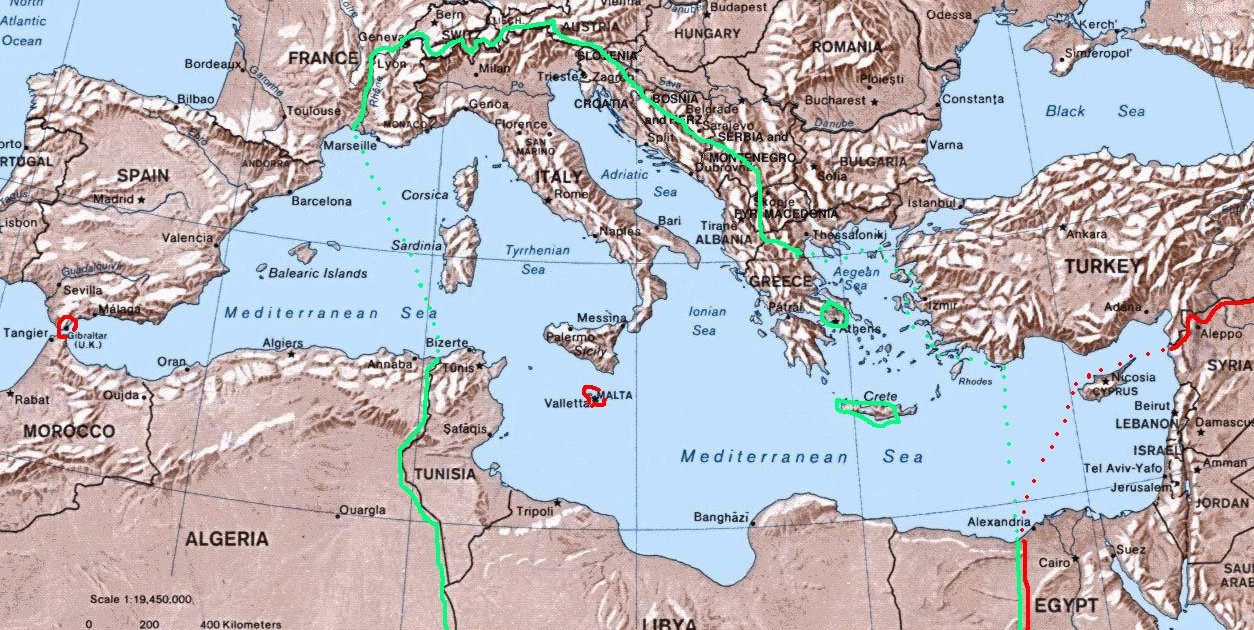
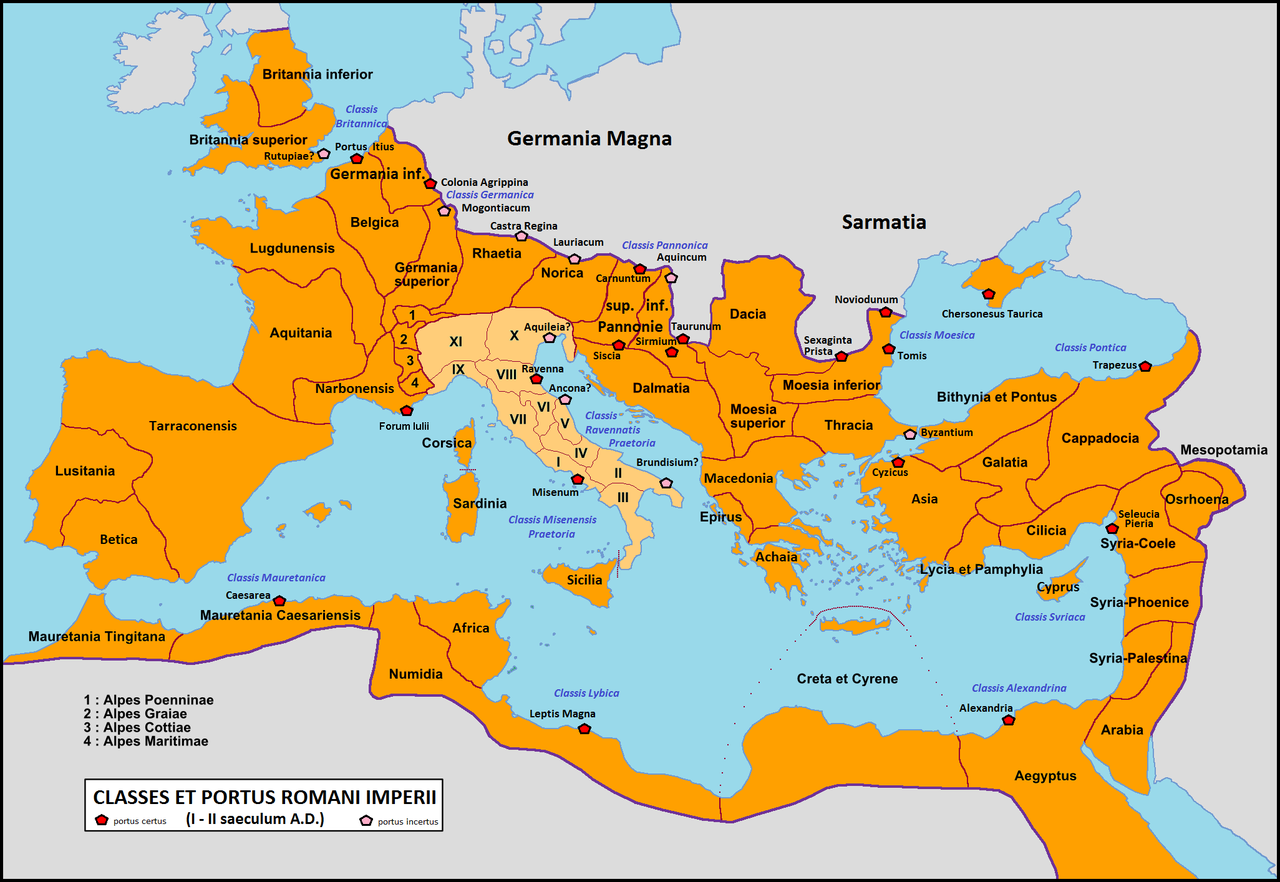
The Latin phrase Mare Nostrum, meaning "Our Sea," originally referred to the Mediterranean Sea during the Roman Republic and Empire. In the 20th century the expression was repurposed as a political slogan: during World War II Benito Mussolini and his regime used Mare Nostrum in propaganda to express Italy's aspiration to dominate the Mediterranean as a sphere of strategic and cultural influence. Mediterranean Sea
Image gallery
10 Images



Origins and historical background
As a Latin formulation, Mare Nostrum dates to antiquity, when Rome treated the Mediterranean as essentially a Roman lake. Over centuries the phrase resurfaced in nationalist and irredentist discourse in Italy, where historical references to Roman grandeur were used to support contemporary political claims. In the interwar period these historical associations were deliberately invoked to lend legitimacy to new expansionist aims.
Fascist appropriation
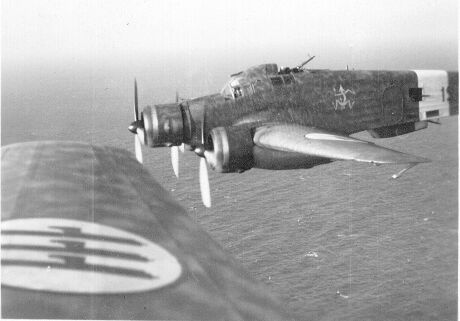
During World War II the term was prominent in official rhetoric and visual propaganda. Mussolini framed Italy's ambitions in Mediterranean terms, arguing for a central role in regional affairs and seeking both naval strength and territorial control to secure supply routes and colonies. The slogan appeared in speeches, posters and state publications as part of a broader effort to present Italy's actions as the restoration of an earlier imperial order. Benito Mussolini is commonly associated with this usage, and it formed part of the country's positioning in the wider conflict. World War II
Strategic and cultural significance
Invoking Mare Nostrum implied a blend of strategic, economic and cultural claims. Strategically, control of the Mediterranean affected naval operations, communications and the movement of troops and supplies. Culturally, the phrase tapped into classical imagery to suggest continuity between modern Italy and the Roman past. Critics have noted that this rhetoric masked imperial ambitions and led to military commitments that proved costly.
Later uses and legacy
The label Mare Nostrum has continued to appear in later contexts with different meanings. It has been reused for non-military initiatives and for public debates about migration, maritime policy and heritage. Some modern uses are deliberately neutral or humanitarian, while others remain controversial because of the term's association with 20th-century expansionism.
Key aspects
- Terminology: Latin origin; literal meaning "Our Sea."
- Fascist propaganda: used to justify political and military aims during World War II.
- Strategic importance: related to naval power, supply lines and regional control.
- Legacy: phrase persists in political and cultural discourse with varied, sometimes contested, connotations.
Understanding Mare Nostrum requires recognizing both its ancient roots and the ways modern states have adapted historical language to serve present-day goals. The term remains a concise example of how historical memory, rhetoric and geopolitics intersect in regional claims.
Related articles
Author
AlegsaOnline.com Mare Nostrum: fascist usage and historical meanings of 'Our Sea' Leandro Alegsa
URL: https://en.alegsaonline.com/art/48597