
Abraham (given name)
Abraham is a masculine given name of Hebrew origin meaning 'father of many'; widely used across cultures and languages with many historical and contemporary bearers.
The name Abraham is a traditional masculine given name most closely associated with the biblical patriarch Abraham, a central figure in the Bible and in the religious traditions that trace descent from him. As a personal name it carries strong religious and cultural resonance in Jewish, Christian and Muslim communities and appears in many languages and forms.
Image gallery
2 Images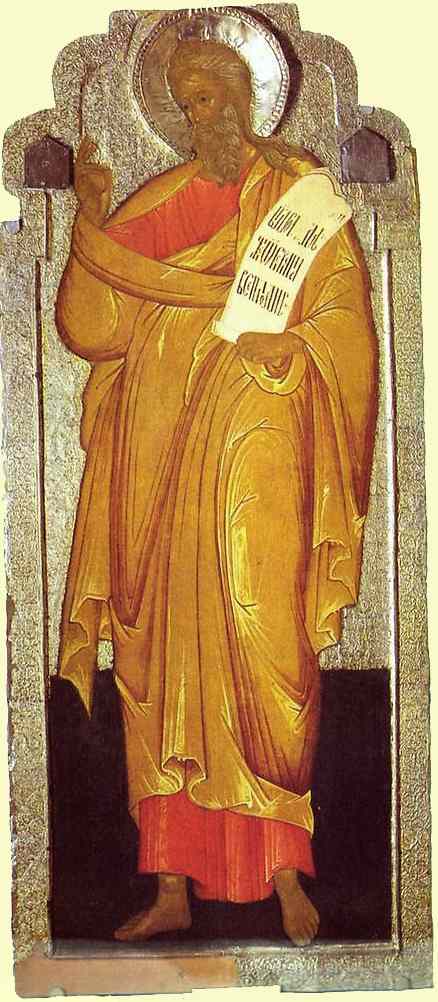

Etymology and forms
In its original linguistic context the name derives from Hebrew elements usually interpreted as "father of many" or "father of a multitude." The biblical narrative records an earlier form, Abram, before the name was changed to Abraham. In Arabic and several Muslim-majority cultures the corresponding form is Ibrahim. Many languages have adapted the name to local phonology and created short forms and pet names.
Common variants and diminutives include:
- Abram — an earlier form preserved in scripture and some languages.
- Abe — an English short form frequently used informally.
- Bram — a contracted Dutch and English variant often used as a standalone name.
- Avraham — the modern Hebrew pronunciation and spelling.
- Ibrahim — the Arabic, Turkish and many Islamic-culture form.
Usage and cultural significance
As the name of a foundational ancestor in Judaism, Christianity and Islam, Abraham has carried symbolic meanings of faith, promise and familial leadership. It is used in liturgy, literature and naming traditions to honor lineage or religious heritage. The name also crossed into secular use and remains common in many countries, sometimes reflecting cultural memory rather than explicit religious intent.
Notable bearers
Throughout history and into modern times, many prominent people have borne the name. A brief selection includes:
- Abraham (the patriarch) — the ancestral figure in the Hebrew Bible and Quran.
- Abraham Lincoln — the 16th president of the United States, widely remembered for preserving the Union and ending slavery.
- Abraham Maslow — an American psychologist known for humanistic psychology and the hierarchy of needs.
- Abraham ibn Ezra — a medieval Jewish scholar, poet and commentator.
- Bram Stoker (born Abraham Stoker) — the Irish author best known for the novel Dracula.
Today the name Abraham continues to be chosen for its religious heritage, historical associations and timeless quality. Its many variants demonstrate how a single ancient name can be adapted across languages, cultures and eras while preserving a recognizable identity.
Related articles
Author
AlegsaOnline.com Abraham (given name) Leandro Alegsa
URL: https://en.alegsaonline.com/art/485