
Islam in Europe: history, distribution, and contemporary issues
Overview of Islam's presence across Europe: historical roots, geographic distribution, demographics, social and political issues, and distinctions between long‑standing and newer Muslim communities.
Overview
Islam is a major religious presence in Europe with diverse histories and communities. Some Muslim populations trace their roots back centuries, especially in the Balkans and parts of the Mediterranean, while others are recent arrivals linked to labour migration, family reunification and refugee movements. The term "Muslim Europe" is sometimes used for countries with Muslim majorities or large native Muslim populations, and it also describes the increasingly plural religious landscape of western and northern Europe.
Image gallery
10 Images



Historical development
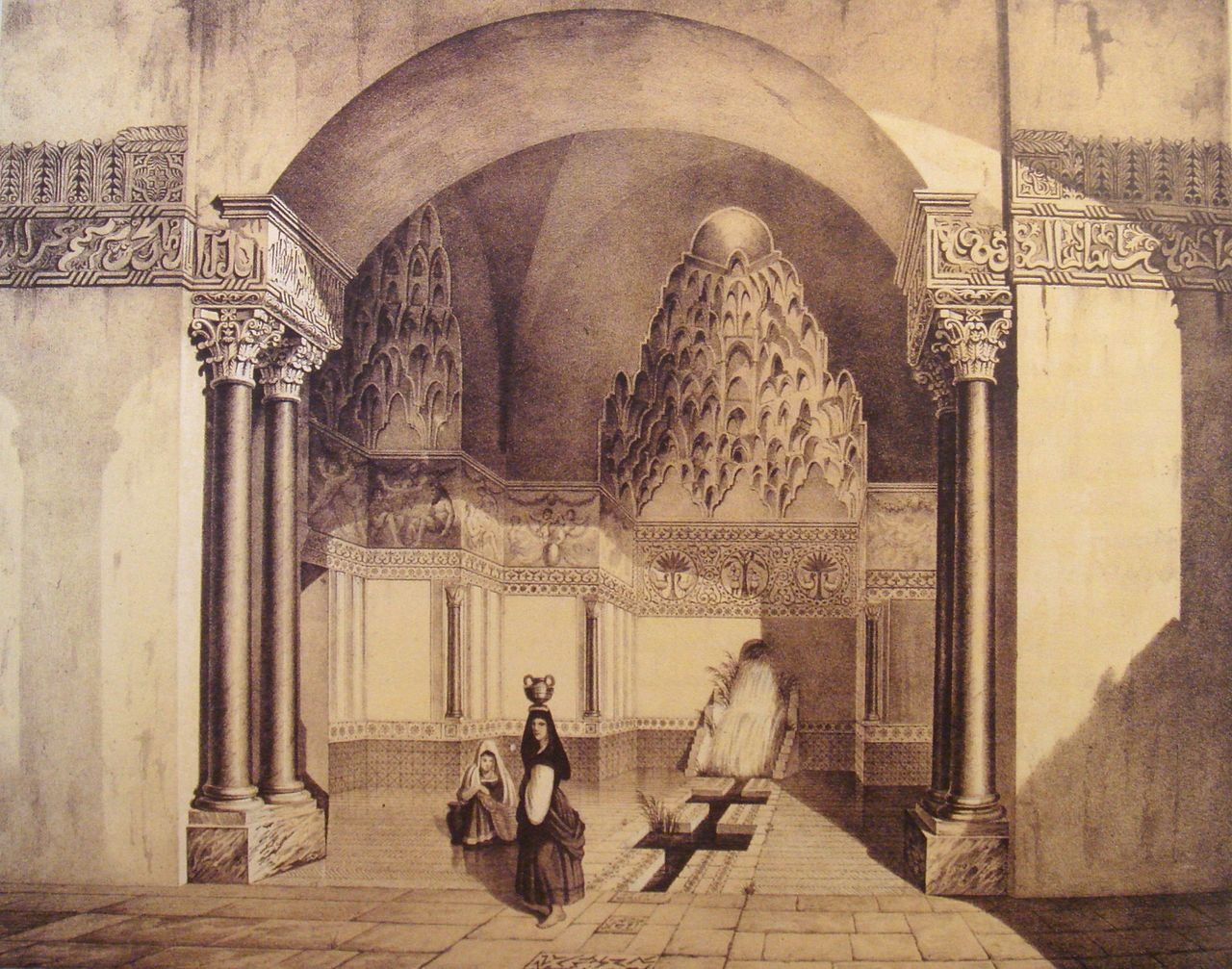
The first sustained presence of Islam in southern Europe dates from the early Middle Ages, when the Moors from North Africa established states in Iberia and parts of Sicily. Muslim rule in Iberia lasted for centuries until the Christian reconquest commonly called the Reconquista. In the east, Islam spread into the Caucasus and southeastern Europe largely through the expansion of the Ottoman Empire, which governed large areas of the Balkans and Anatolia from the late medieval period until the early 20th century. When Ottoman political control receded, sizable indigenous Muslim communities remained in parts of the Balkans and the Caucasus.
Geographic distribution and demographics
Europe's Muslim population includes long‑established communities and more recent immigrants. Countries with historic Muslim majorities or sizable native Muslim minorities include Albania (Albania), Kosovo (Kosovo) and Bosnia and Herzegovina (Bosnia and Herzegovina). Transcontinental states with large Muslim populations include Turkey, Azerbaijan and Kazakhstan, while parts of the Russian Federation such as the North Caucasus and other regions contain many Muslim communities (Russia overall has a substantial Muslim population).
- Western Europe has experienced major growth in Muslim populations since the mid-20th century due to immigration and higher birth rates.
- Estimates from research organizations in the early 21st century put Europe's Muslim share in the single digits; figures vary by country and methodology.
Contemporary issues and public debates
The presence of Islam in contemporary Europe is a prominent subject of public discussion. High-profile violent incidents and terrorist attacks, as well as cultural controversies such as the Danish cartoons affair, have driven debates over security, freedom of expression, and multiculturalism. These developments have also fueled discussions about Islamophobia, discrimination, and the role of religion in public life. In many countries these debates intersect with the rise of populist and right‑wing parties that portray Islam as a challenge to national identity (populist movements).
Cultural, social and religious life
Muslim communities in Europe are internally diverse in ethnicity, language, legal tradition and religious practice. Some are largely secular in outlook, especially where Islam has long been part of national life; others maintain strong ties to cultural traditions from countries of origin. Islamic institutions — mosques, community centers, and religious schools — play varying roles across countries, and debates about religious dress, education and accommodation in public institutions are common.
Notable distinctions and facts
Important distinctions include the difference between indigenous Muslim populations with centuries‑long roots in the region and postwar migrant communities that arrived after World War II. The legacy of the Ottoman period, colonial ties to North Africa and the Middle East, and transcontinental states complicate simple East/West or Christian/Muslim binaries. Public statistics and projections continue to evolve, and scholarly work and surveys provide different estimates of numbers, composition and future trends. For further general reading see country studies and comparative surveys available online: Islam overview, Ottoman history, Reconquista, Albania, Kosovo, Bosnia and Herzegovina, Turkey, Azerbaijan, Kazakhstan, Russia, North Caucasus, terrorism, cartoons affair, populism, Islamophobia.
Questions and answers
Q: What is the second-largest and fastest-growing religion in Europe?
A: Islam is the second-largest and fastest-growing religion in Europe.
Q: How did Islam enter southern Europe?
A: Islam entered southern Europe through the invading "Moors" of North Africa in the 8th–10th centuries.
Q: What was the Muslim conquest of Persia?
A: The Muslim conquest of Persia was a series of conflicts and wars that resulted in Islamic rule over much of what is now known as Iran.
Q: When did the Ottoman Empire expand into southeastern Europe?
A: The Ottoman Empire expanded into southeastern Europe in the 14th and 15th centuries.
Q: What countries are considered part of "Muslim Europe"?
A: The countries considered part of "Muslim Europe" are Albania, Kosovo, Bosnia and Herzegovina, Turkey, Azerbaijan, Kazakhstan, and Russia's North Caucasus region.
Q: How many Muslims were estimated to be living in Europe by 2010? A: By 2010, an estimated 44 million Muslims were living in Europe (6%).
Q: What country has the largest Muslim population within Western European borders today?
A: France has the largest Muslim population within Western European borders today; they account for 12.5% of its population.
Related articles
Author
AlegsaOnline.com Islam in Europe: history, distribution, and contemporary issues Leandro Alegsa
URL: https://en.alegsaonline.com/art/48383
Sources
- pewresearch.org : "The Future of the Global Muslim Population: Projections for 2010-2030"