
Isfahan Province: geography, history, culture and landmarks
Central Iranian province centered on the city of Isfahan. Known for historic Safavid-era architecture, varied landscapes, traditional crafts and important rivers, it is a national cultural and economic hub.
Isfahan Province (Persian: Ostān-e Esfahān) lies in the heart of Iran and is one of the country’s 31 provinces. Its administrative center is the city of Isfahan, a major urban, cultural and historic focal point that gives the province its identity. The region combines urban settlements, irrigated plains and arid areas and serves as an important crossroads within central Iran.
Image gallery
10 Images


Geography and environment
The province occupies a transitional zone between mountain ranges and central deserts. Higher terrain on the western and southern margins feeds seasonal streams and rivers, while the central basin includes the Zayandeh River valley — historically the most fertile corridor supporting agriculture and settlements. Local climates range from semi-arid plains to colder upland zones, producing contrasts in land use and settlement patterns.
Historical background
Human presence in the region dates back millennia and Isfahan city rose to particular prominence in pre‑modern Persian history. The province is famed for the flowering of architecture and urban design during the Safavid period, when Isfahan became a capital and a center for arts, scholarship and trade. Many monuments and urban ensembles surviving from that era shape the province’s historic character.
Economy, crafts and society
The economy blends industry, agriculture and services. Irrigated plains support food crops and horticulture, while nearby mineral and industrial zones host manufacturing and processing activities. Isfahan has long been renowned for artisanal production — carpets, metalwork, tile and textile printing — and these traditions remain important for local identity and tourism.
Notable sites and cultural importance
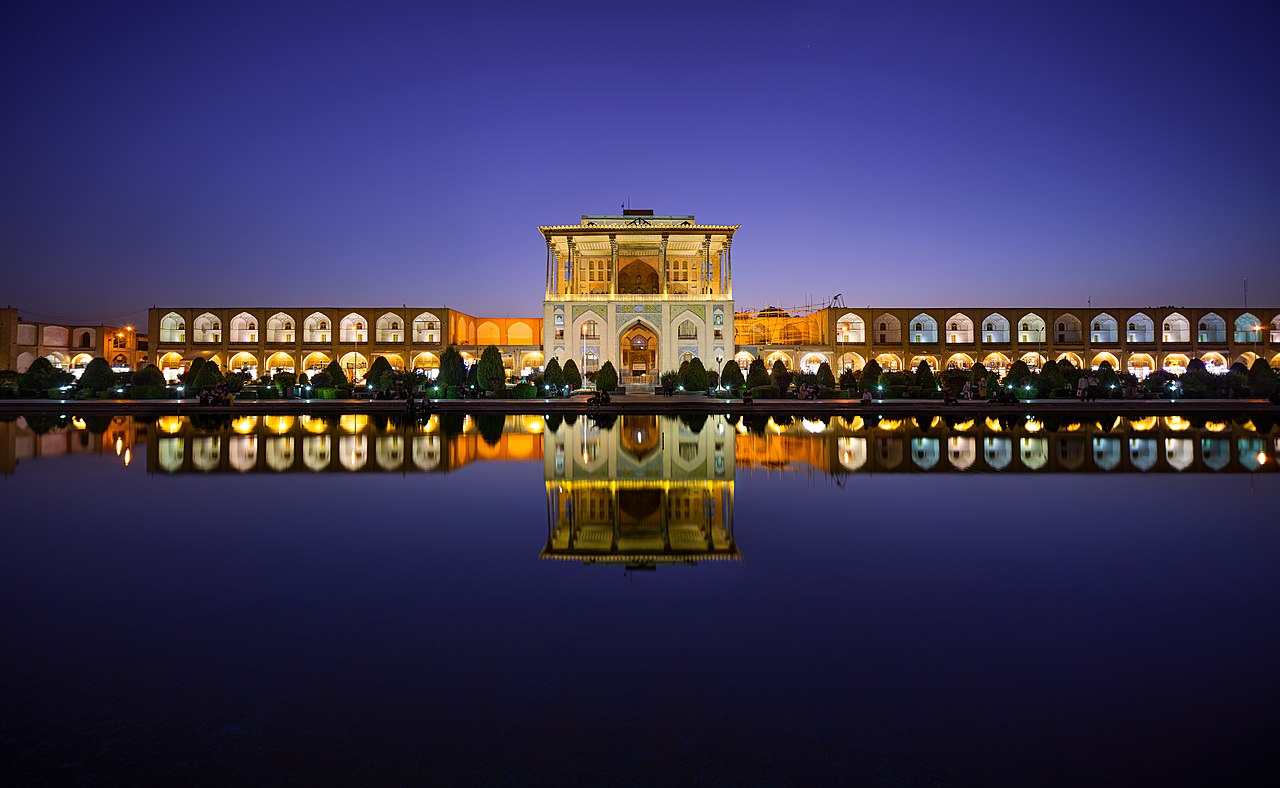
- Naqsh-e Jahan Square and surrounding mosques and palaces, a highlight of Safavid urbanism and among the province’s best-known monuments.
- Historic bridges spanning the Zayandeh River, which have served both practical and ceremonial roles in city life.
- Religious, civic and caravanserai complexes, old bazaars and an Armenian quarter with distinctive churches and community history.
- Gardens and historic houses in towns such as Kashan, which reflect traditional Persian garden design and domestic architecture.
Administratively the province is divided into multiple counties and districts that connect urban centers with rural hinterlands. Today Isfahan Province remains a major destination for domestic and international visitors drawn to its monuments, crafts and museums, while continuing to play a central role in Iran’s economy, education and cultural heritage.
Related articles
Author
AlegsaOnline.com Isfahan Province: geography, history, culture and landmarks Leandro Alegsa
URL: https://en.alegsaonline.com/art/48356
Sources
- amar.org.ir : amar.org.ir/portals/0/census/1395/results/Census95_Khanevar_Jameiyat.xlsx
- commons.wikimedia.org : Isfahan Province