
Italian Campaign (World War I): The Alpine Front, 1915–1918
An overview of Italy’s mountain war with Austria-Hungary (1915–1918): political origins, the Isonzo and Caporetto battles, mountain warfare, logistics, outcome and the campaign’s legacy.
Overview
The Italian campaign was the prolonged military confrontation between Italy and Austria-Hungary on the northern Alpine and Adriatic frontier during World War I. Entering the war in 1915 on the side of the Triple Entente, Italy sought to annex territories claimed by Italian irredentism, including areas around Trento, Trieste and Bolzano–Bozen, as well as parts of Istria and Dalmatia. The theatre combined river valleys, coastal operations and sustained high-altitude combat that set it apart from other fronts.
Image gallery
10 Images
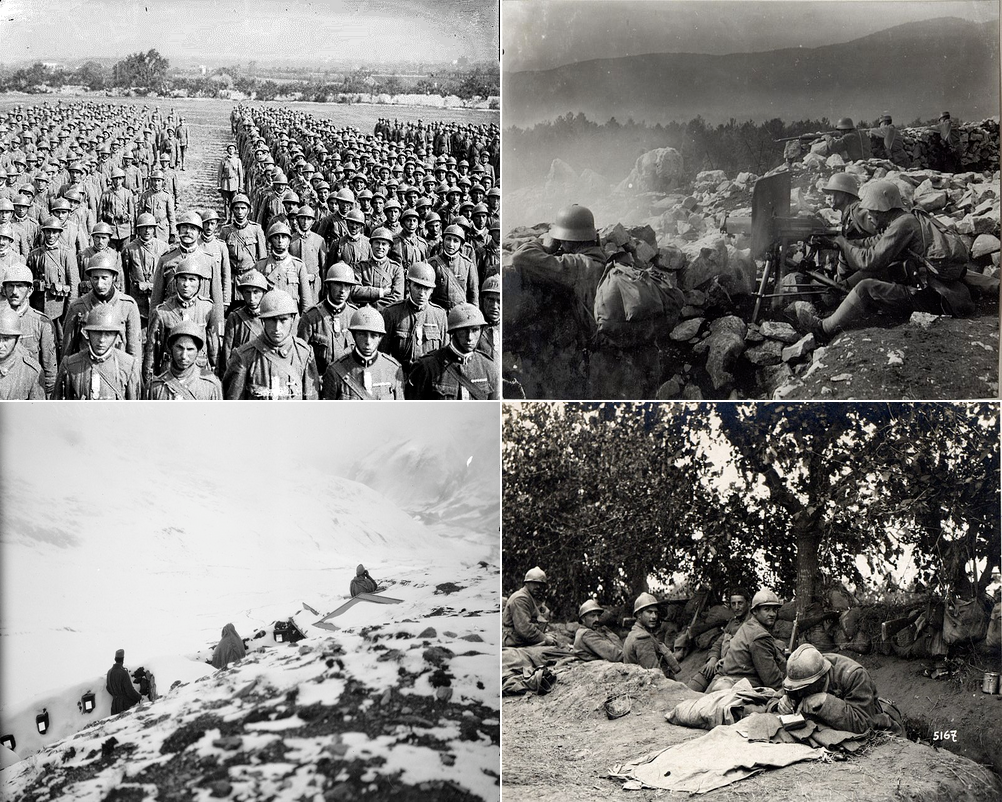



Background and strategic aims
Italy declared war intending to secure territory promised by its allies and to fulfill nationalist objectives. Political bargaining and the desire to control key ports and mountain passes shaped strategic goals. Rather than a single decisive campaign, fighting became a long series of offensives and counteroffensives as both sides sought advantage across difficult terrain and fortified lines.
Geography and the character of the front
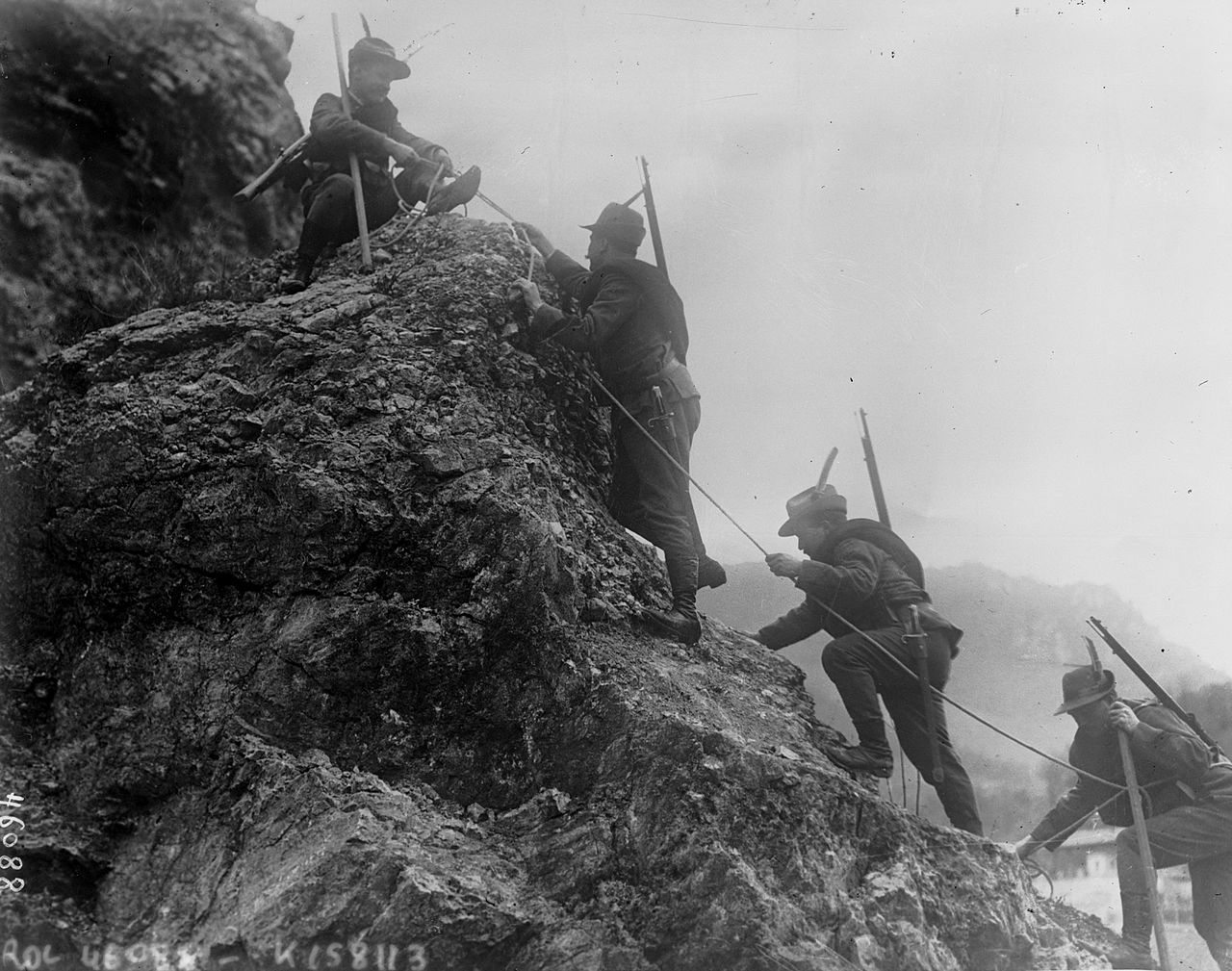
The front ran from the Adriatic coast and the Karst plateau inland along the Isonzo valley, through the Trentino and South Tyrol sectors and into the high Dolomites and Alps. Mountainous ground imposed constraints on movement, logistics and command. Armies built extensive mountain infrastructure—roads, cableways, tunnels and galleries—to supply forward positions. Specialized alpine troops such as the Italian Alpini and Austro-Hungarian mountain units adapted to vertical combat, while avalanches, extreme cold and thin air added deadly non-combat hazards.
Major operations and phases
The campaign is often divided into phases defined by major offensives. Between 1915 and 1917 Italy launched a succession of attacks along the Isonzo River, known collectively as the Battles of the Isonzo. These repeated assaults sought to break the Austro-Hungarian line and capture Gorizia and Trieste. In late 1917 the Central Powers achieved a decisive breakthrough at the Battle of Caporetto, a combined Austro-German operation that used infiltration tactics to produce a large Italian retreat and a crisis in command and morale. After stabilizing on the Piave River, Italian forces mounted the final offensive culminating in the victory at Vittorio Veneto in autumn 1918, a campaign that coincided with the collapse of Austria-Hungary and brought the fighting on the Italian front to an end.
- Isonzo campaigns (1915–1917): numerous costly attacks aimed at breaking eastward across the Isonzo River and seizing the Karst and Gorizia sector.
- Caporetto (1917): Austro-German offensive that routed Italian formations, prompted reorganization and led to Allied aid on the Italian front.
- Piave and Vittorio Veneto (1918): Italian defensive success on the Piave followed by a final offensive that contributed to the defeat of Austria-Hungary.
Tactics, weapons and conditions
Fighting combined features familiar from the Western Front—trenches, artillery bombardments and mine warfare—with mountain-specific methods. Positions were dug into rock, and tunnels and mines were used to place explosives under enemy fortifications. Both armies emplaced artillery on ridgelines and used cable transport to move supplies. Harsh winters, avalanches and rockfalls caused significant losses; mountain medicine and rescue became critical concerns. Although the front sometimes resembled the positional warfare of the Western Front, it required unique adaptations in infantry training, engineering and logistics. The prevalence of entrenched defense and positional obstacles led observers to compare aspects of the fighting to generic trench warfare, but the vertical nature of the terrain remained decisive.
Logistics and human cost
Maintaining supply lines over passes and along narrow valleys was a constant challenge. Engineers constructed roads, bridges and aerial cableways to sustain forward units; railheads and coastal ports were vital for strategic resupply. Casualties were heavy on both sides, and the campaign imposed a long-term burden on societies and economies. Civilian populations in contested regions experienced displacement and requisition, and postwar border adjustments affected local communities.
Outcome and political consequences
The military conclusion of the campaign coincided with the wider disintegration of the Austro-Hungarian Empire in late 1918 and the armistices that followed. Italy occupied key border areas and later obtained territorial gains settled in postwar treaties. The expectations raised by wartime promises and the strain of the conflict reverberated through Italian politics, contributing to social unrest and a sense among some that the nation had not been fully rewarded for its sacrifices—an issue that influenced the postwar political landscape.
Legacy and study
Scholars study the Italian campaign for lessons in mountain warfare, the interaction of geography and strategy, and the effects of attritional operations in difficult terrain. The front demonstrates how alliance decisions—Italy’s shift from neutrality to joining the Entente—shaped national aims and operational commitments. Detailed studies often focus on particular sectors such as the Isonzo, the Trentino mountains near Trento and Bolzano–Bozen, and coastal regions including Trieste, Istria and parts of Dalmatia. For comparative context, researchers examine how tactics on the Italian front related to those on the Western Front and how the nature of trench warfare varied by terrain.
Further reading and archival material can be located in national military archives and specialized studies of the Alpine war; introductory sources on the larger conflict remain useful for contextual background on World War I and alliance diplomacy. For political and diplomatic origins consult works addressing the Triple Entente and Italian territorial aims such as irredentism. Military reports and regional histories provide detailed accounts of operations and the human experience of the front.
Questions and answers
Q: What was the Italian campaign?
A: The Italian campaign was a series of battles fought between Austria-Hungary and Italy in the mountains of northern Italy between 1915 and 1918.
Q: Who did Italy fight against during the Italian campaign?
A: Italy fought against Austria-Hungary during the Italian campaign.
Q: Did Italy fight for the Triple Alliance?
A: No, Italy did not fight for the Triple Alliance in 1914, despite promises to Germany and Austria-Hungary, when World War I started.
Q: When did Italy join the Triple Entente?
A: Italy joined the Triple Entente in 1915 to take part of Austria-Hungary.
Q: What did Italian irredentism want?
A: Italian irredentism wanted the province of Trento (Trentino), the port of Trieste and the province of Bolzano-Bozen (Alto Adige/Südtirol), Istria, and Dalmatia.
Q: What was Italy's plan at the beginning of the war?
A: Italy had hoped to begin the war with a surprise attack to act quickly and capture several Austrian-held cities.
Q: What kind of warfare did the war in Italy become?
A: The war in Italy soon turned into trench warfare, which was similar to that of the Western Front.
Related articles
Author
AlegsaOnline.com Italian Campaign (World War I): The Alpine Front, 1915–1918 Leandro Alegsa
URL: https://en.alegsaonline.com/art/48584