
Abra (province) — landlocked province in the Cordillera, Luzon, Philippines
Abra is a landlocked province in the Cordillera Administrative Region of Luzon, Philippines. Its capital is Bangued and it is known for mountainous landscapes, indigenous culture, and agricultural economy.
Overview
Abra is a landlocked province in the northern Philippine island of Luzon. It forms part of the Cordillera Administrative Region and has a provincial capital at Bangued. The name appears in several Philippine languages; for example in Ilocano it is known as Probinsia ti Abra and in Tagalog as Lalawigan ng Abra. The province occupies a mix of valleys and highland terrain and serves as a cultural crossroads between lowland Ilocano communities and upland indigenous groups.
Image gallery
10 Images






Geography and neighbors
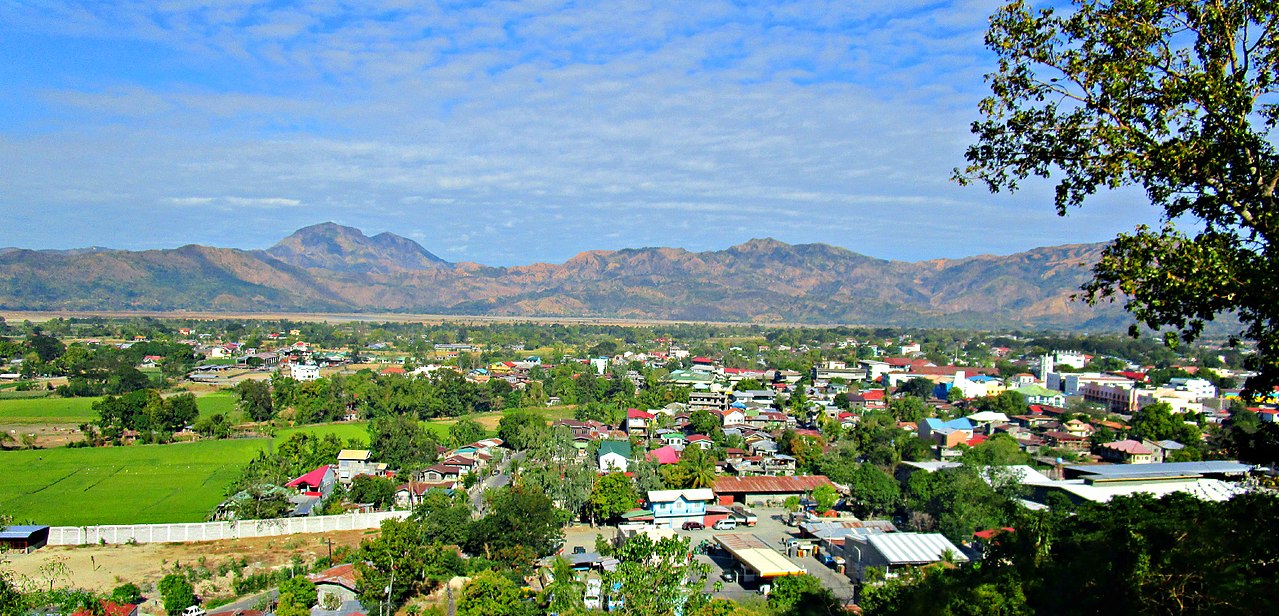
Abra's landscape is characterized by mountain ridges, river valleys and plateaus. The provincial terrain supports river systems that drain the surrounding highlands and create fertile floodplains used for farming. Abra is bordered by several provinces; from the northwest clockwise these include Ilocos Norte, Apayao, Kalinga to the east, Mountain Province to the southeast, and Ilocos Sur to the southwest. These connections shape both trade routes and cultural exchanges with neighboring areas.
History and peoples
Long before colonial rule, the area was inhabited by Austronesian-speaking groups, notably the Tingguian or Itneg peoples, who remain an important cultural presence. During the Spanish and later American periods the territory was administered through a series of local districts and commandancias; its modern provincial identity developed under successive national reorganizations. Local history reflects a combination of indigenous traditions and influences from lowland Christianized communities.
Economy, culture and society
Agriculture is a central part of Abra's economy, with rice and corn cultivation in valley floors and diverse upland crops on terraced slopes. Small-scale commerce, local handicrafts, and artisanal mining contribute to livelihoods in some areas. Cultural life includes indigenous weaving, ceremonies, and oral traditions maintained by highland communities. The provincial capital hosts government services, markets and cultural events that bring together rural and urban residents.
Administration, transport and services
Bangued functions as the administrative and commercial center; provincial government offices, courts and basic health and education facilities are concentrated there. Road links connect Abra to the Ilocos lowlands and to other parts of the Cordillera; travel typically follows mountain passes and river valleys. Infrastructure development remains a priority to improve access to remote barangays and enhance economic opportunities.
Notable facts and distinctions
- Abra is one of the landlocked provinces of Luzon and part of the Cordillera Administrative Region (Philippines regional grouping).
- The province is a meeting point between lowland Ilocano culture and highland indigenous traditions, visible in language, festivals and crafts.
- Its varied topography creates scenic landscapes and potential for ecotourism, agriculture, and rural development.
For administrative, travel or cultural information consult official provincial sources or regional planning bodies. Additional context on neighboring provinces and the Cordillera region can be found via links to provincial and national references: Tagalog name, Kalinga, national context, Cordillera region, Ilocos Sur, Ilocos Norte, Apayao.
Related articles
Author
AlegsaOnline.com Abra (province) — landlocked province in the Cordillera, Luzon, Philippines Leandro Alegsa
URL: https://en.alegsaonline.com/art/480
Sources
- nscb.gov.ph : "List of Provinces"
- psa.gov.ph : "Cordillera Administrative Region (CAR)"