
Aceh: northernmost province of Sumatra with distinct history and resources
Aceh, the northern tip of Sumatra in Indonesia, is known for its strong Islamic heritage, special autonomy including local implementation of Sharia, significant oil and gas resources, and its role in regional history.
Overview
Aceh is a province at the northern end of the island of Sumatra within Indonesia. Its capital and largest city is Banda Aceh. Positioned across the Andaman Sea from the Andaman and Nicobar Islands and India, Aceh occupies a strategic maritime location that has shaped its history of trade, cultural exchange and external contacts.
Image gallery
10 Images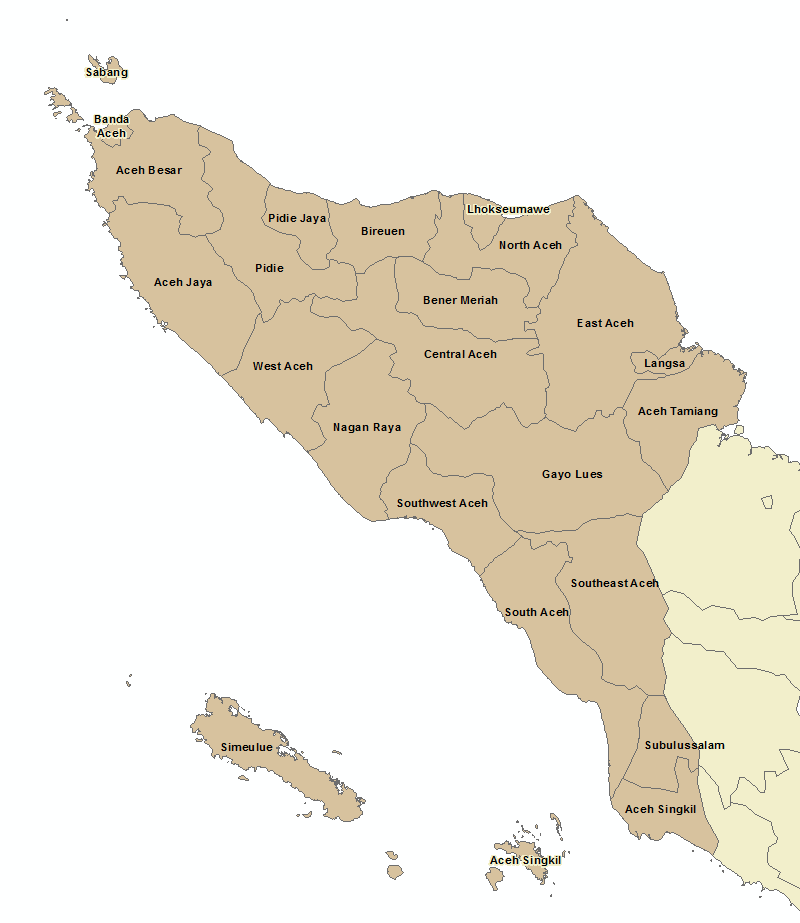



History and identity
Aceh has a long recorded history as a regional trading hub and as a center where Islam took hold in the Indonesian archipelago. Local sultanates and coastal ports were important in pre-modern commerce. In the late 20th and early 21st centuries the province attracted international attention after a prolonged separatist conflict and the catastrophic 2004 Indian Ocean earthquake and tsunami; a peace accord and reconstruction followed, altering provincial governance and development trajectories.
Governance and law
The province has special autonomy within the Indonesian state and is noted for its socially conservative public life. Local authorities in Aceh implement elements of Sharia law as part of regional regulations, a characteristic sometimes described as religiously conservative in broader comparisons of Indonesian provinces (see social context). These arrangements affect education, public conduct regulations and legal jurisdiction in matters specified by provincial statutes.
Economy and resources
Natural resources play a major role in Aceh's economy. The region is reported to contain substantial deposits of petroleum and natural gas; energy extraction and related industries have been central to both local revenue and to negotiations with the national government (oil, natural gas). Besides hydrocarbons, the province supports agriculture (notably coffee grown in inland highlands), fisheries and small-scale manufacturing.
Culture, landmarks and life
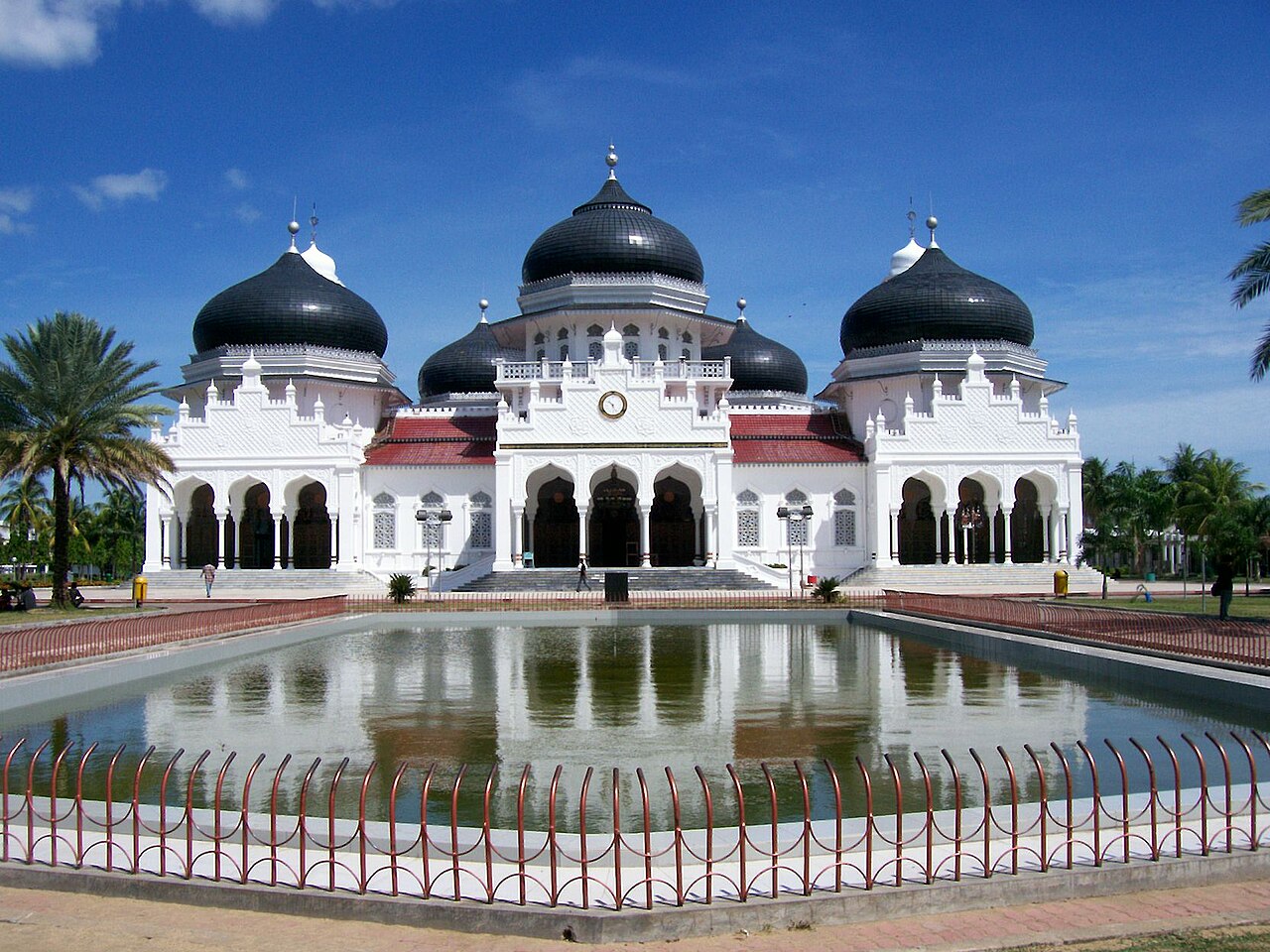
Acehnese culture blends Malay, Islamic and local traditions. Notable cultural expressions include traditional music and dance, local cuisine and historic mosques such as the Baiturrahman Grand Mosque in Banda Aceh. The 2004 tsunami left visible memorials and museums that are part of the region's contemporary identity and its engagement with disaster preparedness and humanitarian reconstruction.
- Location: northern Sumatra, gateway between the Indian Ocean and the archipelago.
- Law: regional implementation of Sharia within Indonesia's legal framework.
- Resources: important petroleum and gas fields alongside agriculture and fisheries.
For more detailed administrative, historical and economic information, follow regional resources and government publications on cultural policy, natural resource management and post-disaster recovery efforts.
Questions and answers
Q: What is the capital of Aceh?
A: The capital of Aceh is Banda Aceh.
Q: Where is Aceh located?
A: Aceh is located at the northern end of Sumatra, close to the Andaman and Nicobar Islands of India across the Andaman Sea.
Q: What type of law does Aceh practice officially?
A: Aceh practices Sharia law officially.
Q: When did Islam first enter Indonesia?
A: Islam first entered Indonesia in Aceh.
Q: Does Aceh have any natural resources?
A: Yes, Aceh has large amounts of oil and natural gas, with some estimates suggesting that its gas reserves are one of the largest in the world.
Q: How big is Banda Aceh compared to other cities in Indonesia?
A: Banda Aceh is the largest city in Aceh province and one of the major cities in Indonesia.
Related articles
Author
AlegsaOnline.com Aceh: northernmost province of Sumatra with distinct history and resources Leandro Alegsa
URL: https://en.alegsaonline.com/art/667
Sources
- bps.go.id : "Statistik Indonesia 2018"
- time.com : How An Escape Artist Became Aceh's Governor
- adbi.org : The Asian Tsunami: Aid and Reconstruction after a Disaster