
Interstate 78 (I-78): Pennsylvania to New York City corridor
Interstate 78 (I‑78) is a 143.56‑mile east–west Interstate Highway linking northeastern Pennsylvania, northern New Jersey and Lower Manhattan; a key freight corridor serving New York and New Jersey ports.
Overview
Interstate 78 (I‑78) is an east–west route in the U.S. Interstate Highway System that runs approximately 143.56 miles. It begins in eastern Pennsylvania and travels eastward through the Lehigh Valley and northern New Jersey before terminating in Lower Manhattan, New York City. The highway combines suburban, exurban and urban segments and plays a major role in regional travel and freight movement. For a general reference see Interstate Highway information and for city context see New York City.
Image gallery
7 Images



Route and principal connections
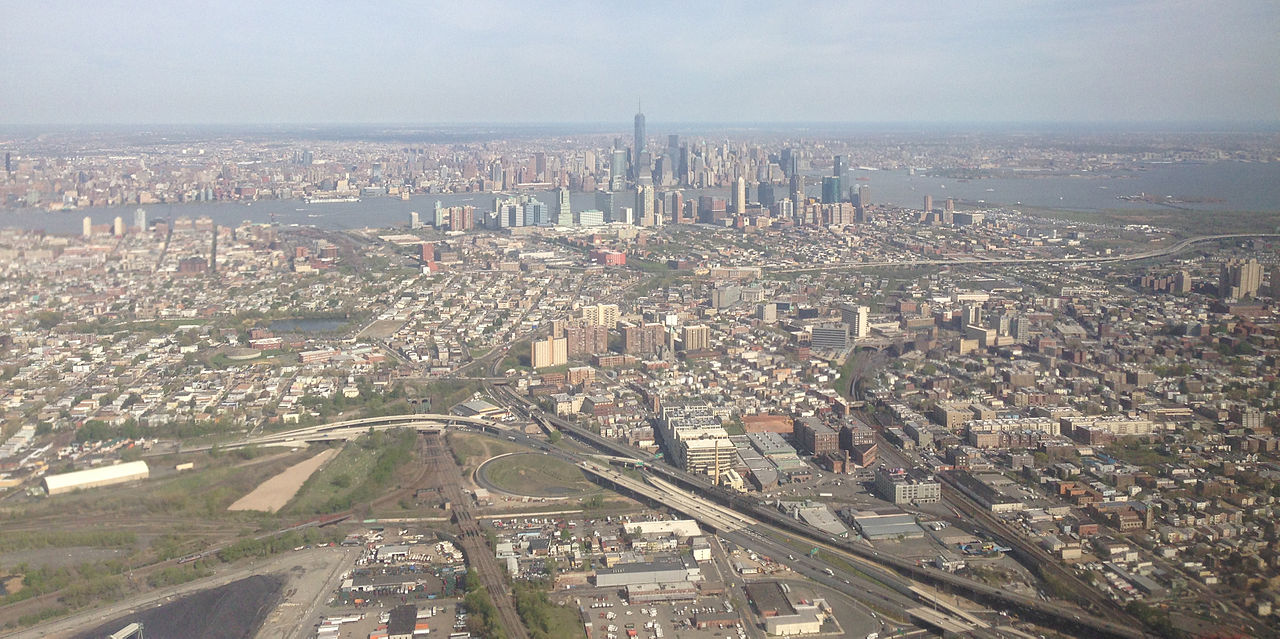
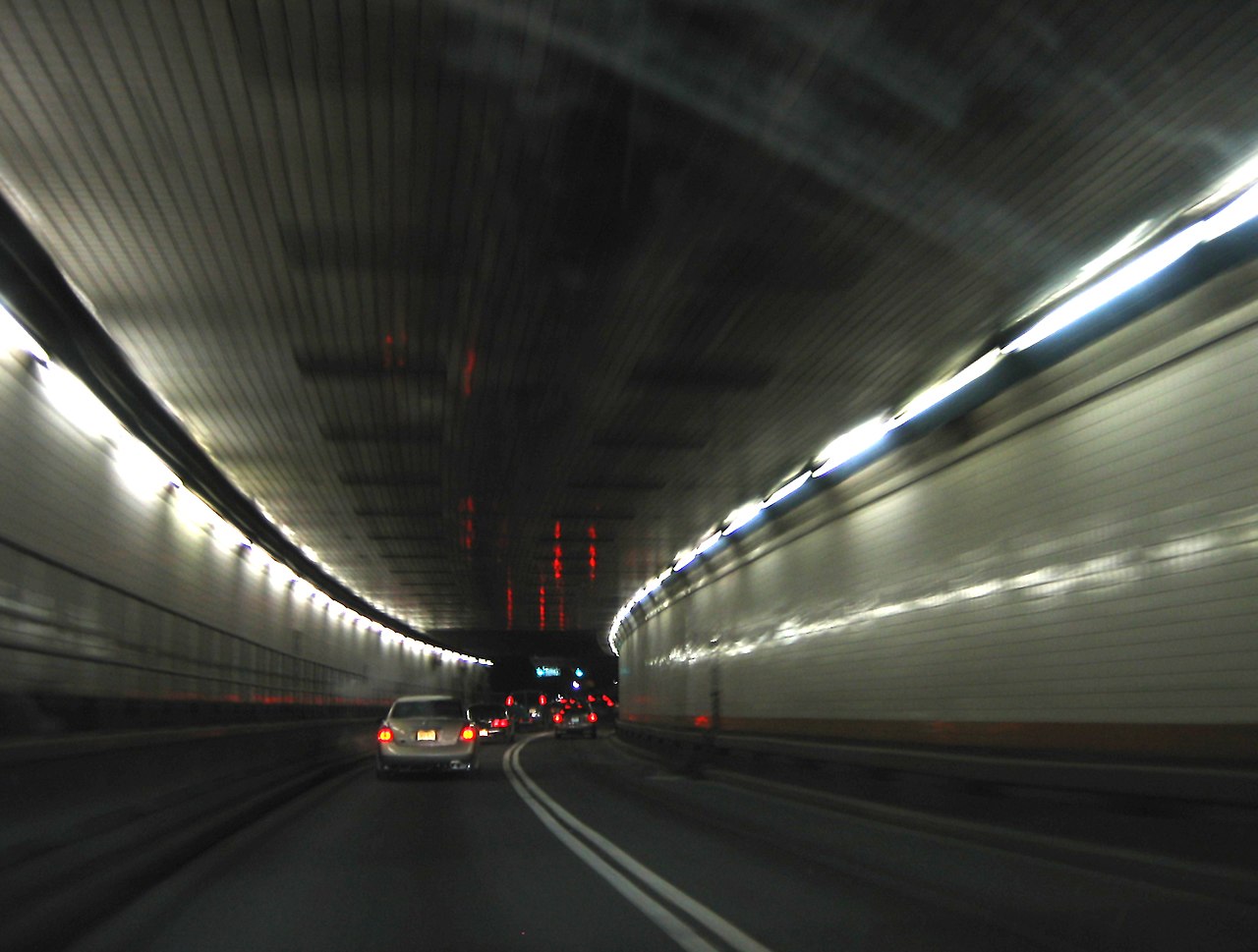
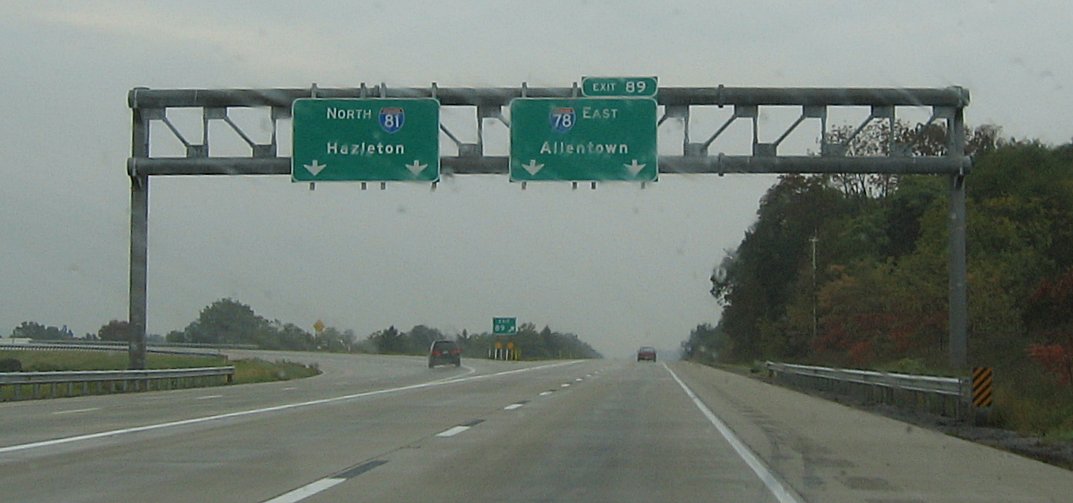
I‑78 starts at an interchange with Interstate 81 in Union Township near Harrisburg and crosses Pennsylvania’s Lebanon and Lehigh counties. It passes close to the city of Harrisburg and through the Allentown area, serving as a primary corridor for the Lehigh Valley and adjacent suburbs, including Allentown. East of the Pennsylvania border the highway traverses northern New Jersey, connecting suburban communities and industrial areas before reaching the Hudson River crossing and the approach to Lower Manhattan via the Holland Tunnel and the roadways that feed into Lower Manhattan.
Characteristics and traffic
I‑78 is a mix of limited‑access freeway and urban approaches with multiple interchanges that serve local and through traffic. It is heavily used by commercial vehicles: more than four million trucks per year use I‑78, and trucks account for about 24% of traffic on some segments. That freight concentration reflects the route's importance as a connector between Midwestern and western goods routes and the ports and distribution centers of New York and New Jersey. Analysts have linked expected increases in truck traffic to wider global shipping trends, including the expansion of the Panama Canal, which has affected freight patterns into East Coast ports.
History and development
Like many Interstates, I‑78 was planned and constructed in stages following the creation of the Interstate system in the mid‑20th century. Sections were built and improved over several decades to accommodate growing suburban populations and rising freight demands. Over time, upgrades have addressed capacity, safety and interchange efficiency; some urban sections have required complex engineering to fit into constrained corridors.
Uses and regional importance
The highway is essential for both passenger travel and commercial transport. It links inland distribution centers, intermodal rail yards and highways with marine terminals and port facilities that serve New York and New Jersey. Because of its freight role, I‑78 is a priority for freight planning, emergency routing and incident management. Restrictions apply on parts of the route that enter the Holland Tunnel and Manhattan; for example, certain hazardous materials are prohibited from the tunnel approaches to protect urban areas.
Notable facts and distinctions
- I‑78’s western terminus connects with the north–south I‑81 corridor, providing access to points west and southwest.
- The roadway serves a mix of suburban commuters and long‑distance truck traffic, which creates complex congestion patterns at peak times.
- While primarily a non‑toll Interstate, it interacts with several tolled facilities and local arterial streets as it approaches metropolitan New York.
For government planning, mapping and up‑to‑date travel advisories consult official sources and regional transportation agencies via links such as federal highway resources, state departments for Pennsylvania and New Jersey, and metropolitan authorities around New York City. Additional local details can be found through county and municipal planning offices along the route and transit partners in the Lehigh Valley and northern New Jersey. For historical context or specific construction timelines consult dedicated transportation histories and archival materials available through regional libraries and transportation departments. See also planning pages for connections at I‑81, urban context near Harrisburg and community resources in Allentown, New Jersey authorities, and port and tunnel information for Lower Manhattan and the Panama Canal expansion impacts.
Related articles
Author
AlegsaOnline.com Interstate 78 (I-78): Pennsylvania to New York City corridor Leandro Alegsa
URL: https://en.alegsaonline.com/art/47800
Sources
- fhwa.dot.gov : "FHWA Route Log and Finder List: Table 1"
- tollroadsnews.com : "Delaware River I-78 ORT to open soon"