
Internet censorship: forms, techniques, history, and impacts
Overview of internet censorship: definitions, technical methods, legal and political motives, regional patterns, effects on society, and common circumvention responses.
Internet censorship refers to practices that restrict, remove, or control access to information distributed via the internet. It covers actions by states, private companies, and platforms that limit what users can see, publish, or transmit online. The term is related to broader censorship concepts (see related definitions) and specifically concerns digital networks and services (internet-specific measures).
Image gallery
2 Images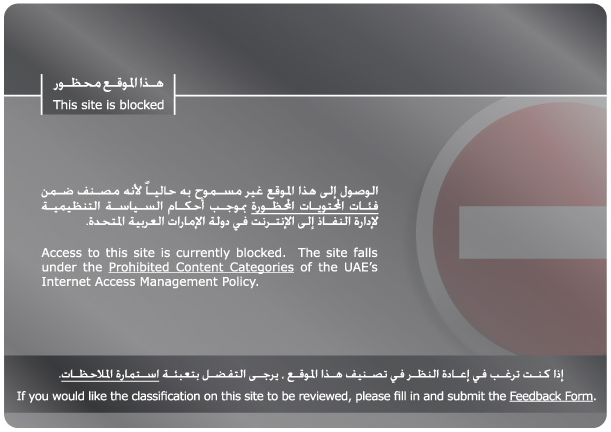

Common techniques and characteristics
Authorities and service providers use a range of technical and legal measures to implement censorship. Typical technical methods include:
- IP blocking and DNS manipulation that prevent devices from reaching particular sites.
- URL and keyword filtering often performed by web gateways or content filters.
- Deep packet inspection (DPI) to identify and throttle or block certain traffic.
- Platform moderation: removal, down-ranking, or deamplification of posts and search results by companies and search engines (including changes to indexing and ranking) — see examples related to major platforms (platform moderation).
- Legal takedown requests, licensing controls, or criminal prosecutions that deter speech.
History and regional patterns
In the early commercial internet era, a high degree of openness was common; over time, governments and private actors developed tools to exert control. Some countries built national filtering systems and legal frameworks to block content at scale. State-mandated filtering has been concentrated in parts of East Asia, Central Asia and the Middle East and North Africa, though forms and intensity vary widely across regions and over time.
Motivations, laws, and distinctions
Governments cite reasons such as national security, public order, religious norms, hate speech prevention, and copyright enforcement. Private platforms cite community standards, legal obligations, and commercial considerations. Important distinctions include state-mandated filtering versus private content moderation, broad network-level blocking versus targeted removals, and pre-publication filtering compared with retroactive takedowns.
Consequences, responses, and examples
Censorship affects journalism, academic exchange, business operations, and ordinary users' ability to find reliable information. It can encourage self-censorship, degrade trust in institutions, and impede innovation where services are fragmented. Common public responses include legal challenges, transparency initiatives, and technical circumvention:
- Circumvention tools: virtual private networks (VPNs), encrypted proxies, the Tor network, and mirror sites.
- Advocacy and monitoring by civil-society groups that document filtering and promote free-expression norms.
- Platform-level transparency reports and appeals processes intended to explain moderation choices.
Understanding internet censorship requires attention to technology, law, politics, and economics. While tools for control have grown more sophisticated, so have techniques for accountability and circumvention, creating an ongoing contest between restrictions and efforts to preserve access to information.
Related articles
Author
AlegsaOnline.com Internet censorship: forms, techniques, history, and impacts Leandro Alegsa
URL: https://en.alegsaonline.com/art/47711
Sources
- freedomhouse.org : "Freedom on the Net 2018"
- opennet.net : "Summarized global Internet filtering data spreadsheet"
- opennet.net : "Country Profiles"