
International Committee of the Red Cross (ICRC)
The ICRC is an independent humanitarian organization based in Geneva that protects and assists victims of armed conflict under the Geneva Conventions and international humanitarian law.
Overview
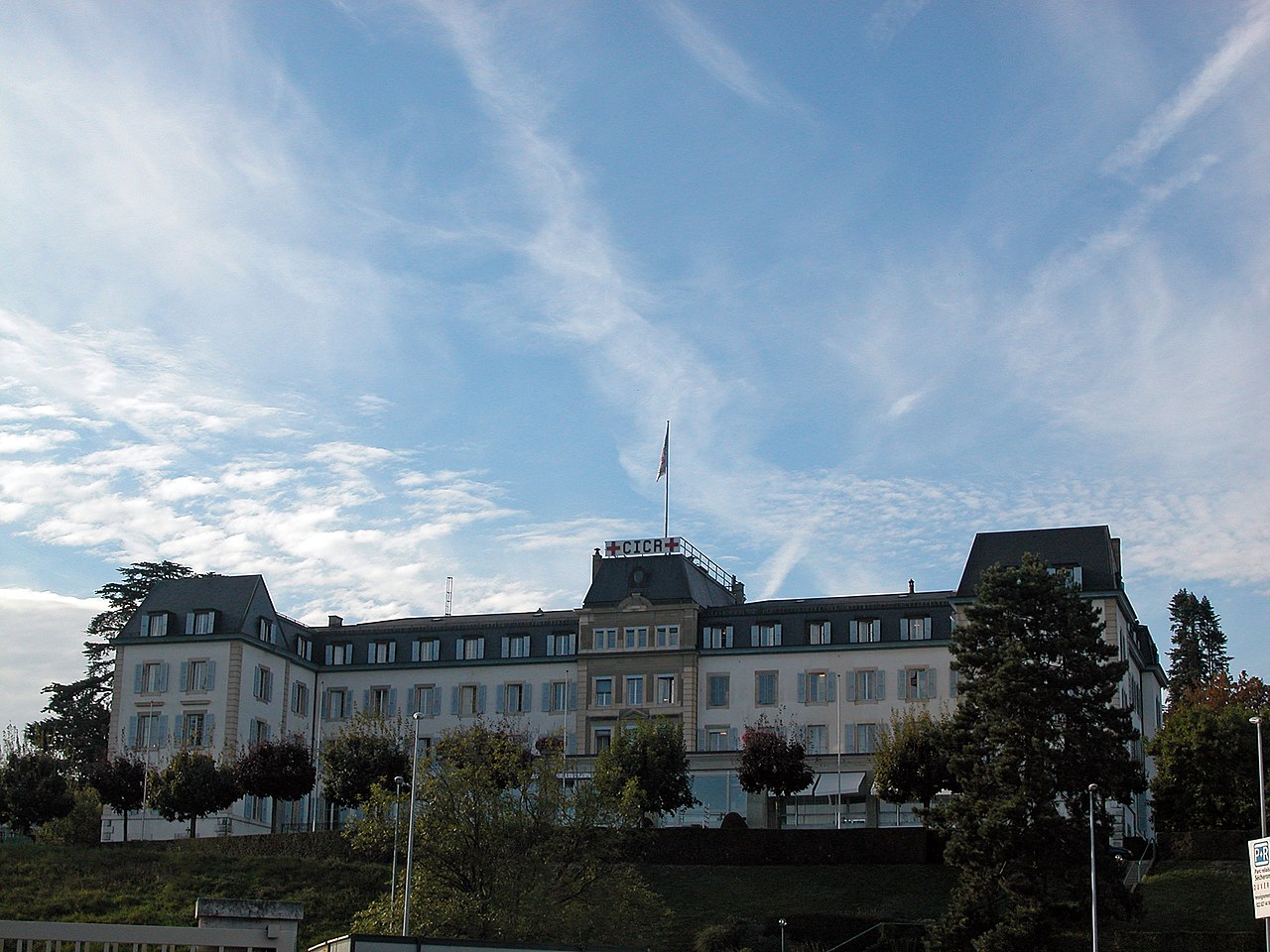
The International Committee of the Red Cross (ICRC) is an independent humanitarian organization headquartered in Geneva. It works primarily in situations of armed conflict and violence to protect and assist people affected by hostilities, relying on international humanitarian law as its legal basis. The ICRC is not a government agency; it operates as a neutral and impartial actor and is widely recognized for its role in conflict zones.
Image gallery
10 Images




Legal basis and guiding principles
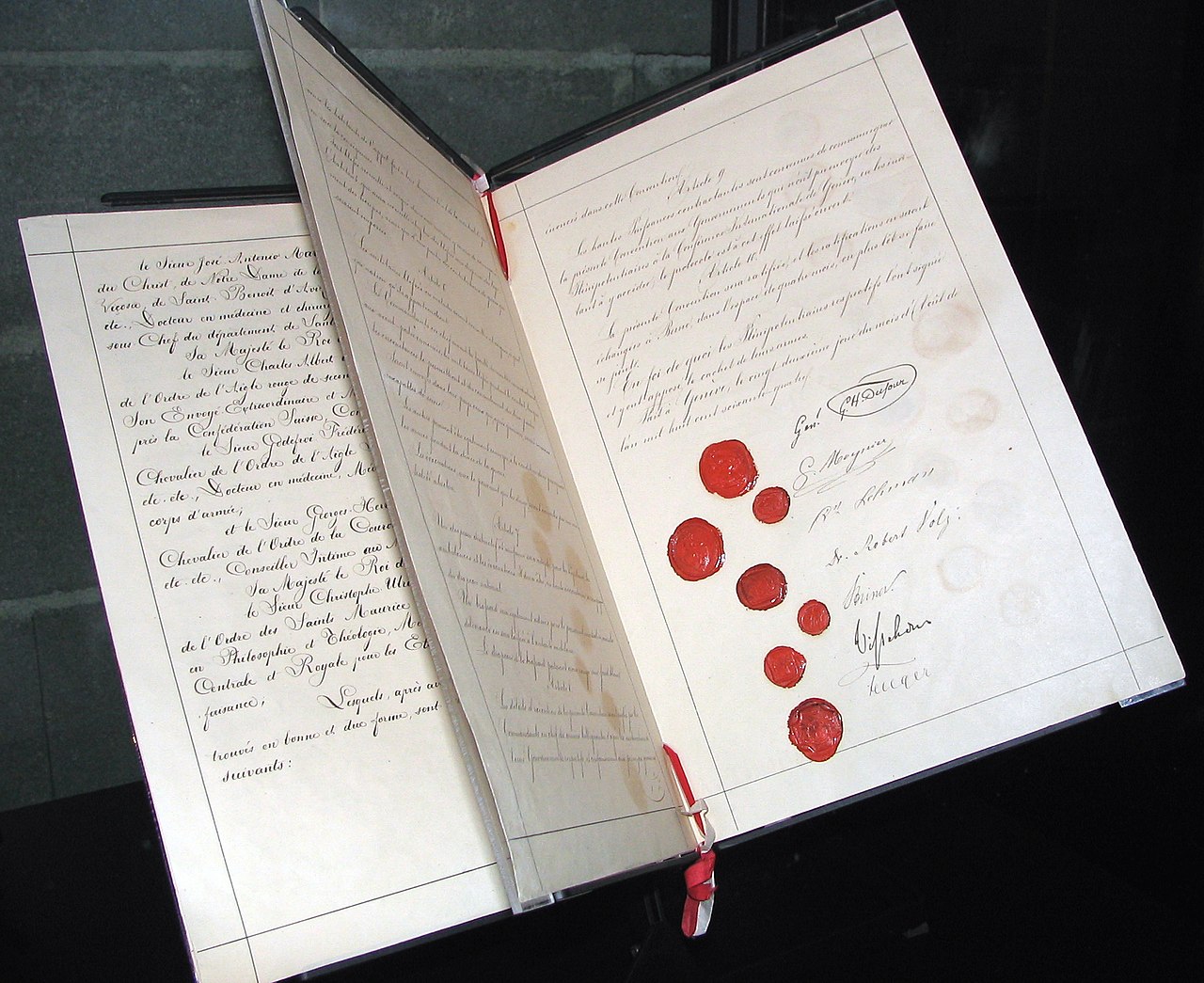
The ICRC's mandate is founded on the Geneva Conventions and related treaties and customary law. Its work is shaped by a set of core principles—neutrality, impartiality, and independence—which enable it to negotiate access and maintain relationships with parties to a conflict. These principles help the organization carry out its protection and assistance activities without taking sides.
Main activities and roles
In practice, the ICRC focuses on several interrelated tasks. It aims to safeguard the dignity and rights of people affected by violence, including:
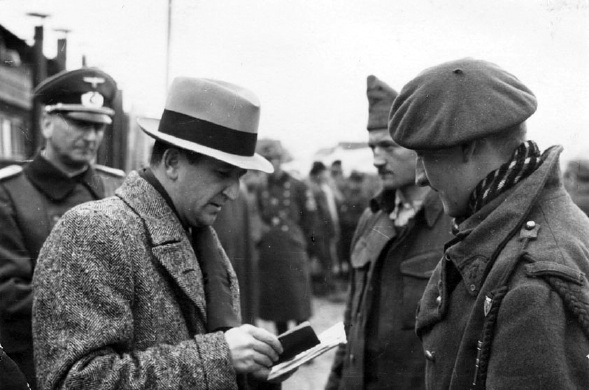
- visiting and monitoring the treatment of prisoners and detainees, ensuring they are treated in accordance with legal standards;
- providing medical aid, relief supplies and logistical support where access is possible;
- helping to restore family contacts and tracing missing persons;
- assisting refugees and displaced people and protecting civilian populations affected by armed conflict;
- promoting respect for international humanitarian law through training, dialogue and public advocacy;
- engaging confidentially with armed groups and authorities to secure humanitarian access and better protection for victims of armed conflict.
Structure, funding and relations
The ICRC is a private institution with an international mandate and is one of the three components of the International Red Cross and Red Crescent Movement. It is governed by an assembly and operates through a central headquarters and extensive field delegations. Funding comes from voluntary contributions by states, National Red Cross and Red Crescent Societies, institutional donors and private donors. The ICRC maintains a distinctive role within the wider movement: it focuses on conflict-related protection and assistance, while other components may concentrate on disaster relief, development and community services in peacetime.
History and notable facts
The ICRC was founded in the 19th century following the experiences recounted by Henry Dunant after the Battle of Solferino; the organization was formally established in the 1860s to provide neutral assistance to wounded soldiers and to promote rules limiting the suffering of war. Over time its mandate expanded alongside developments in humanitarian law. The ICRC has been widely recognized for its humanitarian work and has been awarded the Nobel Peace Prize on multiple occasions.
Distinctions and contemporary relevance
The ICRC remains relevant in contemporary conflicts because of its ability to operate across lines of division and to engage with diverse actors under a framework of law and humanitarian principles. While its methods adapt to new challenges—such as urban warfare, cyber dimensions of conflict and complex displacement—the core commitment to protecting human dignity in armed conflict has remained constant.
Further information can be found through official publications, legal texts and materials provided by humanitarian organizations and national societies. For specific resources and statements, see the ICRC's own communications and recognised reference materials.
Questions and answers
Q: What is the International Committee of the Red Cross?
A: The International Committee of the Red Cross (ICRC) is a private humanitarian organisation based in Geneva, Switzerland.
Q: What is the ICRC's special job?
A: The ICRC has a special job, based on the Geneva Conventions as well as other international humanitarian law, to protect the victims of international and internal armed conflicts. This includes people hurt in war, prisoners, refugees, civilians, and other non-combatants.
Q: Who controls the ICRC?
A: The ICRC is not controlled by any government, group of governments or international organisation.
Q: How long has it been around for?
A: It is the oldest organisation within the International Red Cross and Red Crescent Movement.
Q: How widely recognised is it?
A: It is one of the most widely recognized organisations in the world.
Q: How honoured is it? A: It is also one of the most honoured organisations; having won three Nobel Peace Prizes; in 1917, 1944, and 1963.
Related articles
Author
AlegsaOnline.com International Committee of the Red Cross (ICRC) Leandro Alegsa
URL: https://en.alegsaonline.com/art/47642