
Interleukin‑2 (IL‑2)
Interleukin‑2 is a cytokine that promotes T cell and natural killer cell activity. Recombinant IL‑2 (aldesleukin) is used in cancer immunotherapy and is the subject of ongoing research into engineered variants and combinations.
Interleukin‑2 (IL‑2) is a small protein called a cytokine that plays a central role in the regulation of immune cells. It is produced primarily by activated CD4+ T lymphocytes and acts as a growth factor for T cells, supporting proliferation, survival and differentiation. IL‑2 also stimulates natural killer (NK) cells and can influence the balance between effector and regulatory immune responses.
Image gallery
10 Images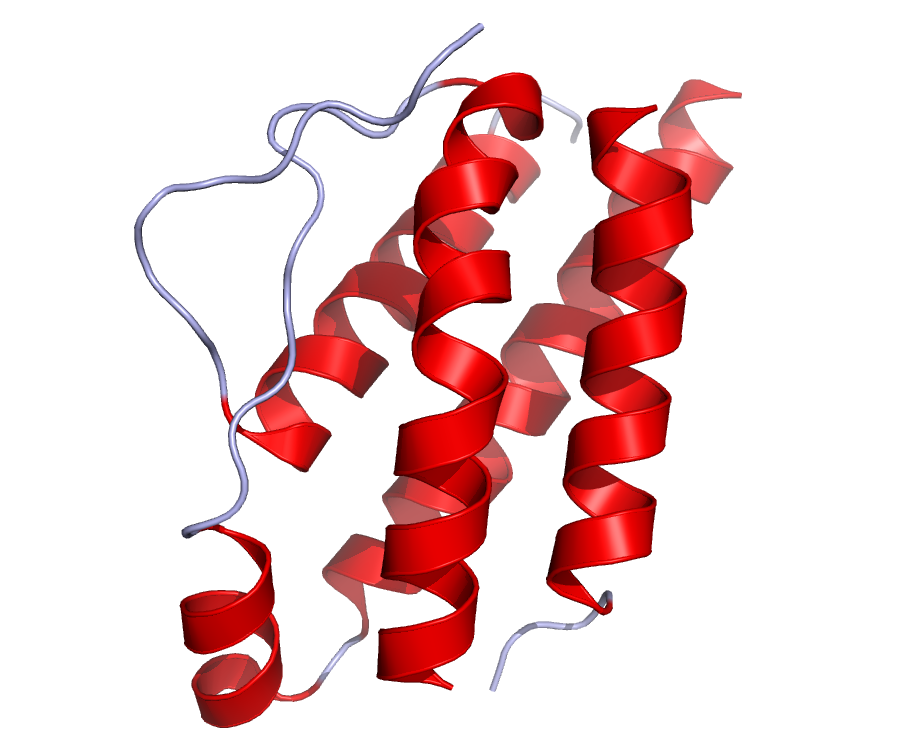




Biology and receptor interactions
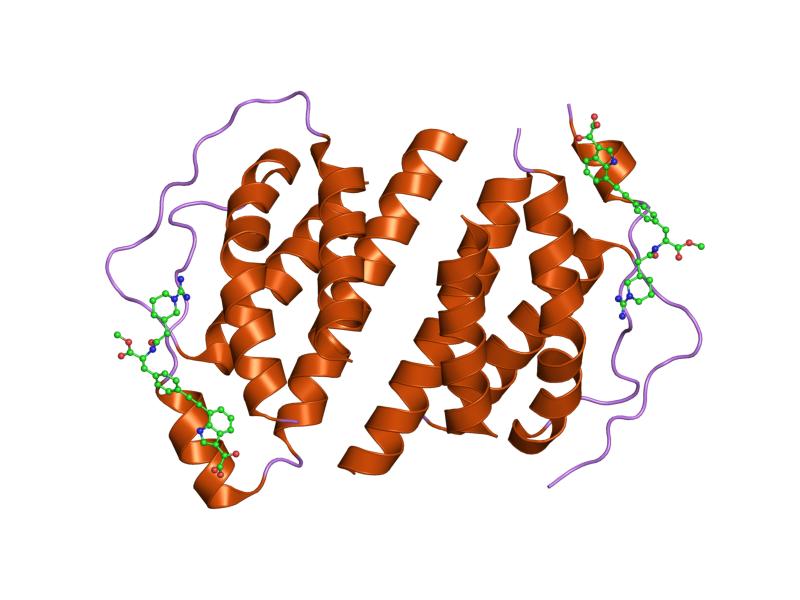
IL‑2 signals through a heterotrimeric receptor composed of three subunits: IL‑2Rα (CD25), IL‑2Rβ (CD122) and the common γ chain (CD132). Different cell types express combinations of these subunits that determine the receptor’s affinity for IL‑2. High‑affinity receptors on activated T cells and regulatory T cells bind IL‑2 at low concentrations, while intermediate‑affinity receptors are found on NK cells and resting T cells.
Clinical development and therapeutic use
Recombinant IL‑2 (aldesleukin) was developed as one of the first cytokine therapies for cancer. It has been approved for the treatment of certain patients with metastatic renal cell carcinoma and metastatic melanoma. High‑dose IL‑2 can induce durable responses, but overall objective response rates have historically been modest (on the order of about 10–20% in published series), with a minority of patients achieving long‑lasting complete remissions. For details on clinical indications and trials see clinical information.
Administration and adverse effects
IL‑2 is usually given by intravenous infusion in specialized centers because of its toxicity profile. Common and potentially severe adverse effects arise from widespread immune activation and vascular changes, and include:
- Capillary leak syndrome with hypotension and edema
- Flu‑like symptoms (fever, chills, fatigue)
- Liver and kidney dysfunction at high doses
- Cardiac and pulmonary complications in susceptible patients
Current research and distinctions
Research continues on improving the therapeutic index of IL‑2. Strategies include engineered IL‑2 variants with altered receptor affinity to favor effector T cells over regulatory T cells, antibody‑cytokine fusion proteins, and combinations with checkpoint inhibitors or adoptive cell therapies. A key conceptual distinction is that low doses of IL‑2 preferentially expand regulatory T cells (used experimentally in autoimmune settings), whereas high doses aim to expand cytotoxic effector cells for cancer therapy.
Because of its potent and pleiotropic effects, IL‑2 remains both a landmark molecule in immunology and an active focus of translational research to harness immune responses more safely and effectively.
Related articles
Author
AlegsaOnline.com Interleukin‑2 (IL‑2) Leandro Alegsa
URL: https://en.alegsaonline.com/art/47606