
Interjet (Mexican airline)
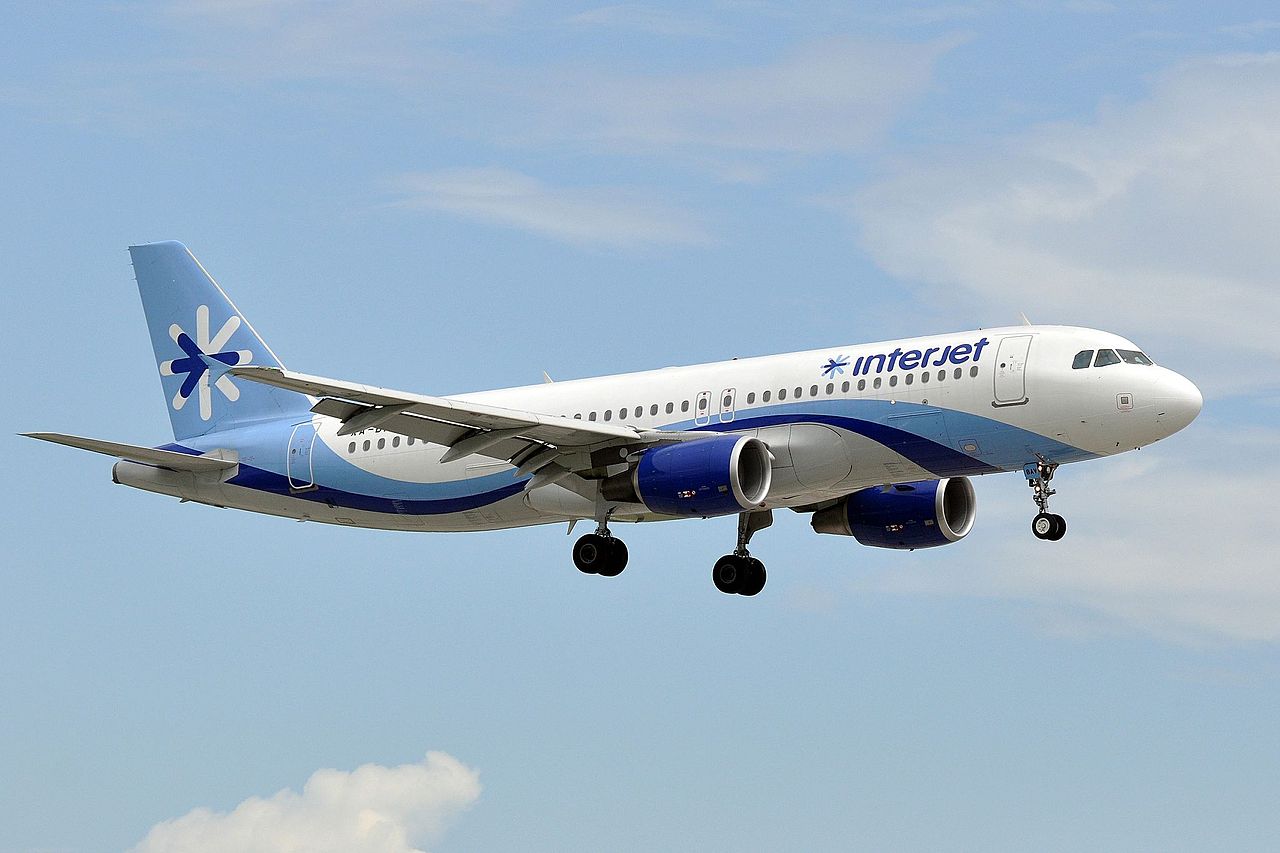
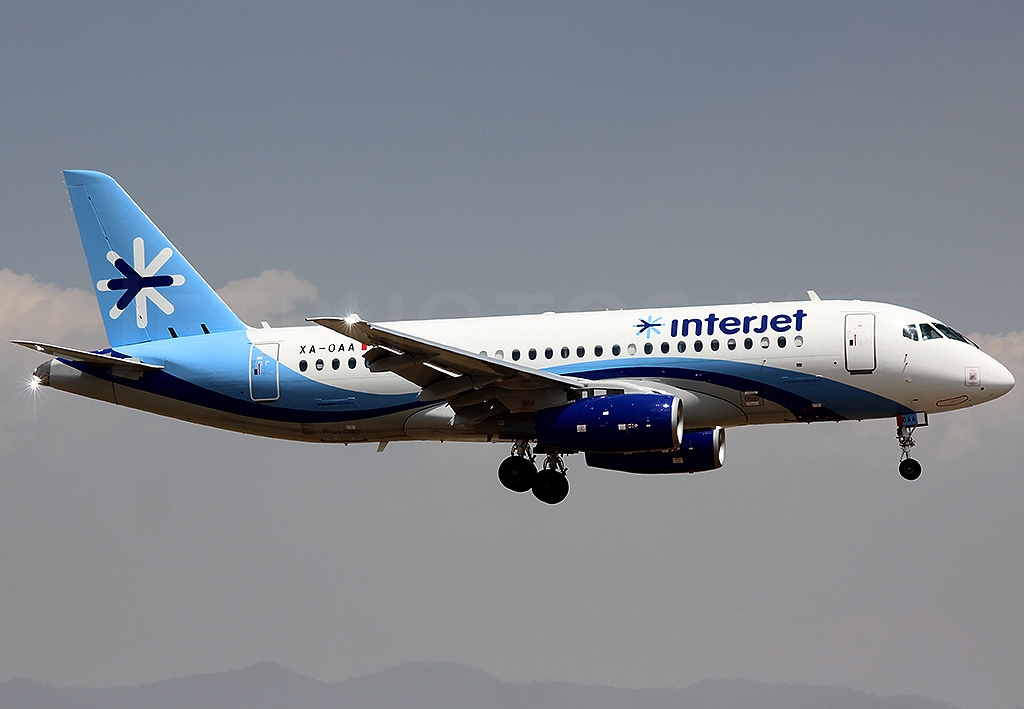
Interjet was a Mexican low-cost carrier founded in 2005, based at Mexico City International Airport. It flew Airbus A320 and Sukhoi Superjet types across the Americas before suspending operations in 2020 amid financial problems.
Overview
Interjet was established in 2005 as a Mexican low-cost airline and built a network focused on domestic and international point-to-point services from Mexico City International Airport. The carrier was based in Mexico and positioned itself as a value or hybrid low-cost option, emphasizing competitive fares and a cabin layout that offered relatively generous legroom compared with some low-cost peers.
Image gallery
6 Images



History and development
During its growth years Interjet expanded capacity and route connectivity across the Americas. It operated a mix of short‑ and medium‑haul routes to leisure and business destinations. In 2014 the airline announced commercial coordination with established carriers, including American Airlines and Iberia, aimed at improving passenger connectivity and codeshare-like arrangements that supported feed into its network.
Fleet and network
The airline's fleet primarily consisted of Airbus A320-family aircraft alongside Russian-built Sukhoi Superjet regional types. Interjet was notable for being one of the few operators outside Russia to operate the Airbus A320 family together with the Sukhoi Superjet in scheduled commercial service. It served destinations across the United States, Central America and South America, operating both leisure routes and higher-frequency links between major cities.
Service model
Interjet combined elements of a low-cost business model with selected service features often described as hybrid: a simplified fare structure, options for ancillary purchases (baggage, seat selection, extra-legroom seats), and in some markets a higher seat pitch than typical low-cost carriers. The carrier competed primarily on price and schedule convenience on many domestic and regional city pairs.
Financial difficulties and suspension of operations
Beginning in 2020 the airline experienced significant financial strain. The economic shock from the global pandemic, along with operational costs and reported unpaid liabilities to suppliers and service providers, contributed to severe cash-flow problems. In December 2020 company executives announced a suspension of operations; industry notices and press reporting cited issues such as unpaid fuel bills and interruptions to membership in industry organizations. At that time the carrier's online booking channels were reported inactive and many scheduled flights were cancelled or remained grounded.
Impact and aftermath
The abrupt suspension affected passengers, staff and commercial partners; customers sought refunds or alternative travel arrangements and regulators and courts became involved in various jurisdictions. Aircraft remained stored or idle while creditors, lessors and authorities addressed claims and maintenance requirements. The long-term outcome depended on potential restructuring, asset disposition, and decisions by creditors and regulators.
Legacy and significance
- Interjet helped increase price competition in Mexico's domestic market and added international connections from Mexico City.
- The airline's use of the Sukhoi Superjet made it a notable operator of that type in the Americas.
- The carrier's collapse illustrated vulnerabilities in airline finance, especially for carriers exposed to sudden demand shocks and high fixed costs.
For the most current status of company assets, regulatory actions and any restart or liquidation efforts, consult official statements from aviation authorities, lessors and the carrier's representatives. Contemporary news and filings from industry bodies provide the best available updates on developments since the 2020 suspension.
Further reading: airline industry analyses, regulatory notices and official carrier communications provide more detailed timelines and legal outcomes concerning Interjet's operations and post-suspension proceedings.
low-cost airline | Mexico | Mexico City International Airport | Airbus A320 | United States | Central America | South America | American Airlines | Iberia
Related articles
Author
AlegsaOnline.com Interjet (Mexican airline) Leandro Alegsa
URL: https://en.alegsaonline.com/art/47599
Sources
- airwaysnews.com : airwaysnews.com/blog/2013/08/27/interjet-a-brief-history-and-flight-review/
- finance.yahoo.com : finance.yahoo.com
- latino.foxnews.com : latino.foxnews.com/latino/news/2014/06/26/iberia-and-interjet-reach-code-sharing-agreemen…