
Budget airline (low-cost carrier)
An overview of budget airlines (low-cost carriers): their defining features, history, business model, typical practices, and how they differ from traditional carriers.
Overview
A budget airline, often called a low-cost carrier (LCC), is an airline that deliberately reduces operating costs and offers lower fares than full-service carriers. These carriers compete principally on price and rely on streamlined operations, simplified services, and alternative revenue streams rather than bundled amenities. For a concise definition and related terminology see definition and glossary.
Image gallery
10 Images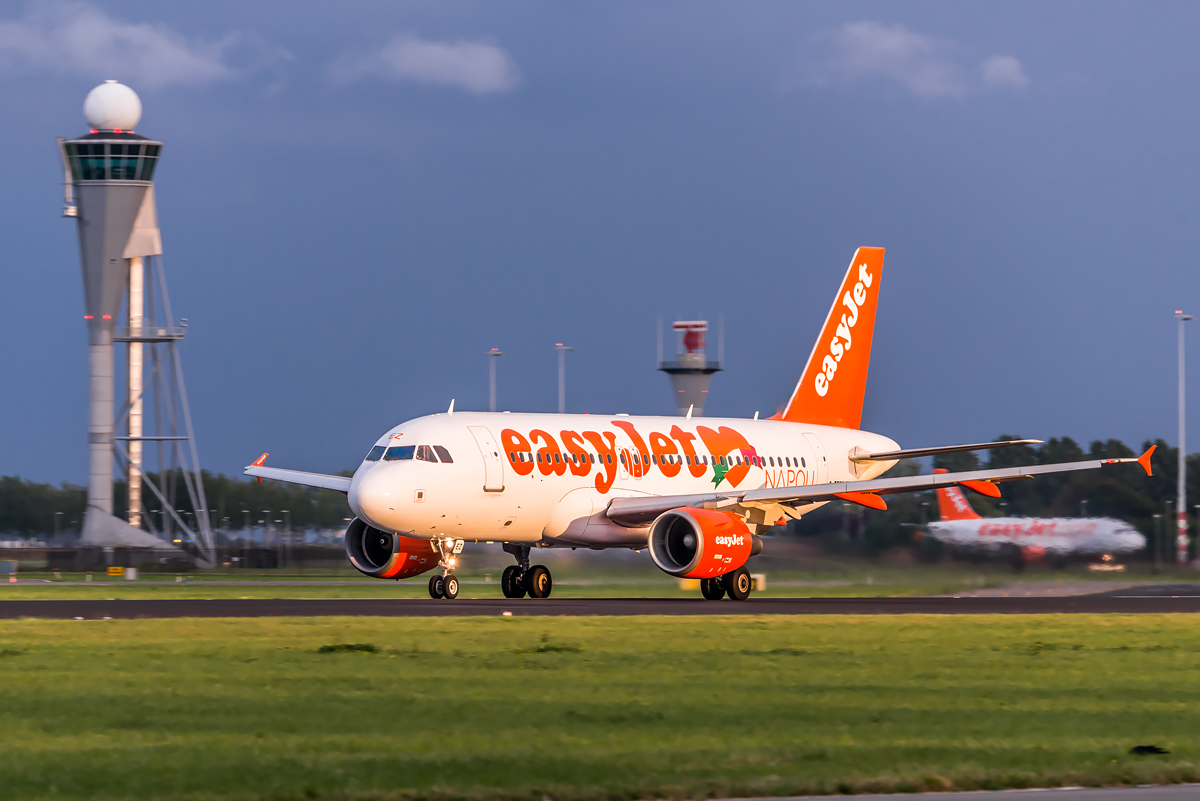


Key characteristics
Budget airlines share a set of common features designed to minimize expenses and turnaround time. Typical measures include:
- Use of a single or limited aircraft types to simplify maintenance, training and scheduling.
- High seat density with fewer complimentary services (for example, no free meals or drinks on many short routes).
- Point-to-point route structures rather than complex hub-and-spoke networks.
- Ancillary revenue generation: fees for checked bags, seat selection, priority boarding and onboard sales.
- Short ground time and tight schedules to maximize aircraft utilization and keep airport charges down; see notes on cost control cost strategies.
Origins and development
The modern low-cost model gained prominence in the late 20th century. Airlines such as the U.S. carrier that popularized many LCC practices are often cited as pioneers; you can read more about one early proponent here. In Europe and elsewhere, later entrants adapted the formula to local markets, producing large LCCs that emphasize rapid expansion and aggressive pricing.
Business model and operations
Financially, LCCs concentrate on reducing unit costs and supplementing ticket revenue with extra fees. They pursue simple fare structures, direct distribution channels (often selling tickets via their own websites), and agreements with secondary or less congested airports to lower airport charges and improve on-time performance; see a discussion of airport agreements airport arrangements. Fleet commonality—such as the widespread use of particular narrow-body jets—helps keep costs predictable; an example of a commonly used model is referenced here.
Importance, variants and notable facts
Budget airlines have expanded access to air travel by making short- and medium-haul trips more affordable for millions of passengers. Variants of the model include ultra-low-cost carriers (ULCCs), hybrid carriers that mix low fares with some full-service features, and regional LCCs. Well-known examples in different markets illustrate the model’s flexibility and are discussed in broader comparisons examples and comparisons.
Distinctions: unlike full-service airlines, LCCs typically unbundle services, emphasizing low base fares. They are not universally identical—strategies vary by geography, regulation and airport infrastructure—but their shared priority is keeping fares low while maintaining acceptable reliability and safety.
Related articles
Author
AlegsaOnline.com Budget airline (low-cost carrier) Leandro Alegsa
URL: https://en.alegsaonline.com/art/15096