
Antonio Meucci: inventor associated with early voice communication devices
Antonio Meucci (1808–1889), an Italian inventor, developed early voice-transmission devices later linked to the invention of the telephone; his work and later recognition remain subjects of historical interest and debate.
Antonio Meucci (born April 13, 1808 in Florence — died October 18, 1889) was an Italian craftsman and inventor known for creating early devices that transmitted spoken sound electrically. In 19th‑century accounts he described apparatuses intended to let people speak over wire, sometimes referred to in period reports as a "talking telegraph" or early telephone concepts. Meucci's experiments are part of the broader story of telephony and electrical voice transmission.
Image gallery
6 Images




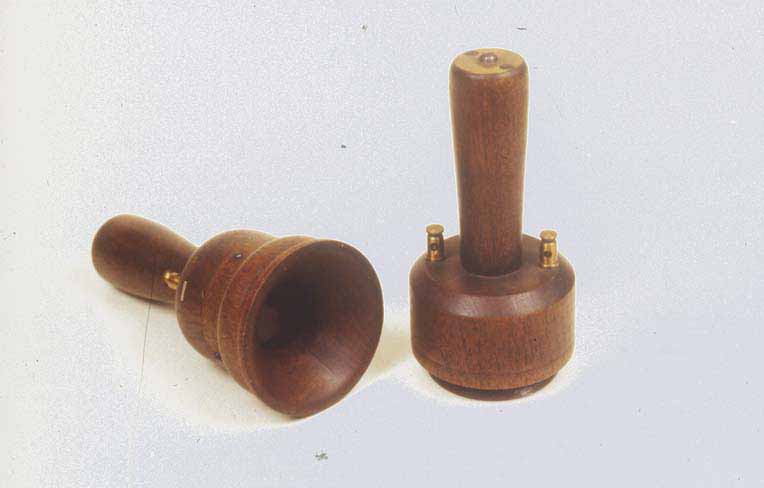
Invention and technical characteristics
Meucci built prototypes that converted voice into electrical signals and reconverted them to sound at a distant receiver. Contemporary descriptions and later summaries identify several recurring elements in his devices:
- a diaphragm or membrane that responded to voice vibration;
- conductive wire linking transmitter and receiver over short or longer distances;
- a rudimentary transducer arrangement to change mechanical motion into electrical variation.
These components resemble the basic functional parts of later telephones: a transmitter, a conductor, and a receiver. Supporters emphasize Meucci's early practical demonstrations and sketches; historians note that his constructions were experimental rather than standardized commercial instruments.
Life, development and patent activity
Meucci pursued his work while living and working in different places and supporting a family. Historical records indicate he attempted to protect his ideas through informal filings and notices rather than a full modern patent in the 1870s; some sources say he submitted a caveat to the patent office. Lacking the funds and formal patenting resources available to others, he was unable to secure a widely recognized patent claim in the same way as later inventors.
Recognition, dispute and official acknowledgment
The question of priority between Meucci and other inventors became disputed as telephony matured. Alexander Graham Bell is often credited with the first U.S. patent for a practical telephone and is frequently cited in secondary sources; see Bell for his role in commercialization. In 2002 the United States House of Representatives passed a resolution acknowledging that Meucci had developed a voice-communication apparatus earlier and noting his contributions; the resolution does not nullify Bell's patent but recognizes Meucci's historical role (House resolution).
Importance and legacy
Meucci's story illustrates how invention, finance, documentation and legal procedure affect historical credit. Whether described as the inventor of the first working telephone or as a precursor who influenced later developments, he is remembered for experimenting with electrical speech transmission at a formative moment for telecommunications. Modern discussions of early telephony often cite Meucci alongside other contributors to show that the telephone emerged from multiple inventors working on similar problems.
For further biographical and technical context consult museum summaries and authoritative histories of telecommunication and patents (see general references and archival materials linked below): talking telegraph, Florence, telephone.
Related articles
Author
AlegsaOnline.com Antonio Meucci: inventor associated with early voice communication devices Leandro Alegsa
URL: https://en.alegsaonline.com/art/4759