
Inhaler (medical device)
A portable device that delivers medication by inhalation to treat respiratory conditions such as asthma and COPD. Covers types, components, correct technique, history, uses, and precautions.
An inhaler is a handheld medical device that delivers medication directly into the lungs through inhalation. Commonly called a "puffer," it is essential in treating obstructive airway conditions such as asthma and chronic obstructive pulmonary disease (COPD). By depositing drug particles in the airways, inhalers provide rapid symptom relief or long-term control with lower systemic exposure than oral medications.
Image gallery
10 Images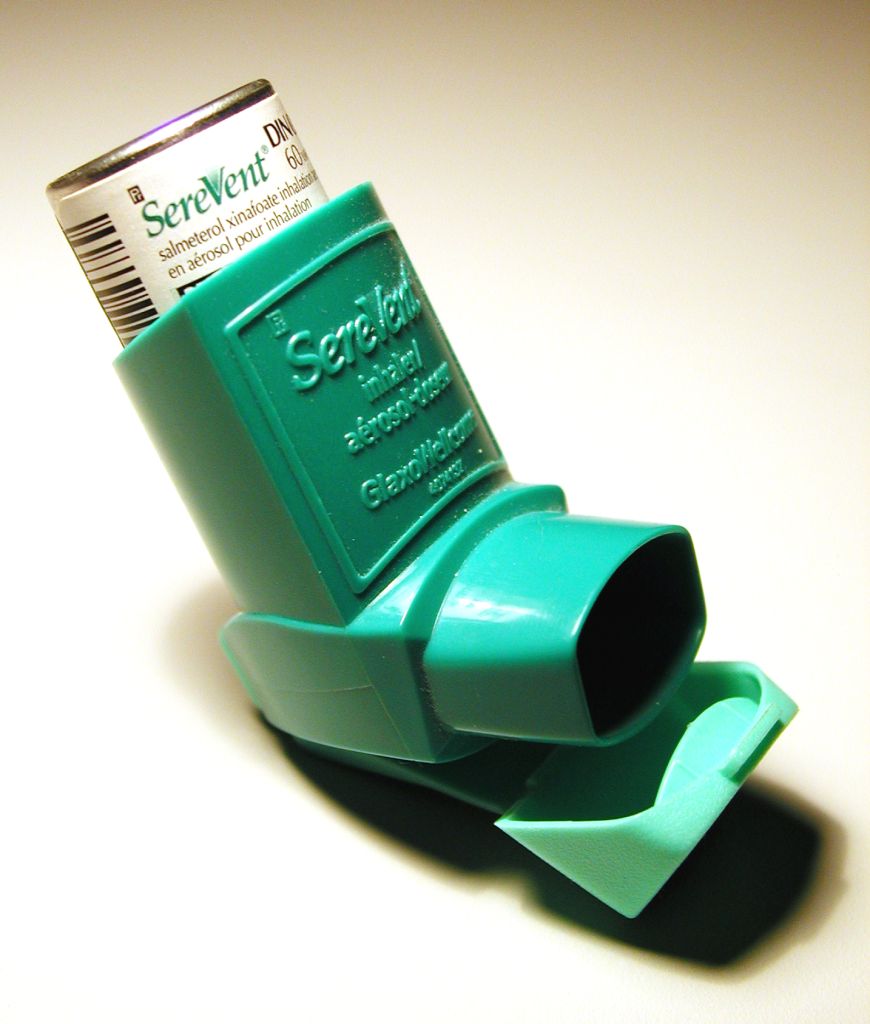




Main types
- Metered-dose inhaler (MDI): releases a fixed spray of aerosol from a pressurized canister, often requiring coordination between actuation and inhalation.
- Dry powder inhaler (DPI): delivers medication as a dry powder that is inhaled forcefully by the user; no propellant is needed.
- Soft mist inhaler: generates a slow-moving mist that can be easier to inhale and may require less coordination.
Inhalers contain different classes of medicines, most commonly bronchodilators (short-acting and long-acting) and inhaled corticosteroids for inflammation control. They are categorized clinically as "reliever" devices for quick symptom relief and "controller" devices for regular maintenance therapy.
How they work and use
Components typically include a mouthpiece, medication reservoir or canister, and sometimes a spacer to reduce the need for precise timing. Proper technique greatly affects how much medication reaches the lungs. Basic steps for many devices include exhaling away from the mouthpiece, placing the mouthpiece in the mouth, inhaling steadily and deeply while activating the device if required, holding the breath briefly, then exhaling. Spacers or valved holding chambers can improve delivery for MDIs, especially for children and older adults.
Maintenance and safety tips include rinsing the mouth after inhaled corticosteroids to reduce risk of oral thrush, checking dose counters or priming new devices according to instructions, and storing inhalers away from extreme heat. Healthcare providers tailor device choice and medication to a patient’s ability to use it, severity of disease, and treatment goals.
Inhalers emerged as practical respiratory therapies in the 20th century and have evolved with changes in propellants and delivery technology. They remain central to modern respiratory care because they combine portability, rapid onset, and targeted action. For general guidance and product information see relevant clinical resources.
Related articles
Author
AlegsaOnline.com Inhaler (medical device) Leandro Alegsa
URL: https://en.alegsaonline.com/art/47358