
Intensive Care Unit (ICU): purpose, organization, types and history
A concise overview of intensive care units: definition, core functions, staffing, common equipment and interventions, unit types, admission principles, complications, ethical issues and contemporary challenges.
An intensive care unit (ICU), also called a critical care unit (CCU) or intensive therapy unit (ITU), is a specialised area of a hospital where people with life‑threatening illness or severe injury receive continuous observation and advanced organ support. Patients are monitored closely because they are at high risk of sudden deterioration and often require therapies not available on ordinary wards. Many hospitals describe ICU services and visiting rules on a central hospital page.
Image gallery
8 Images


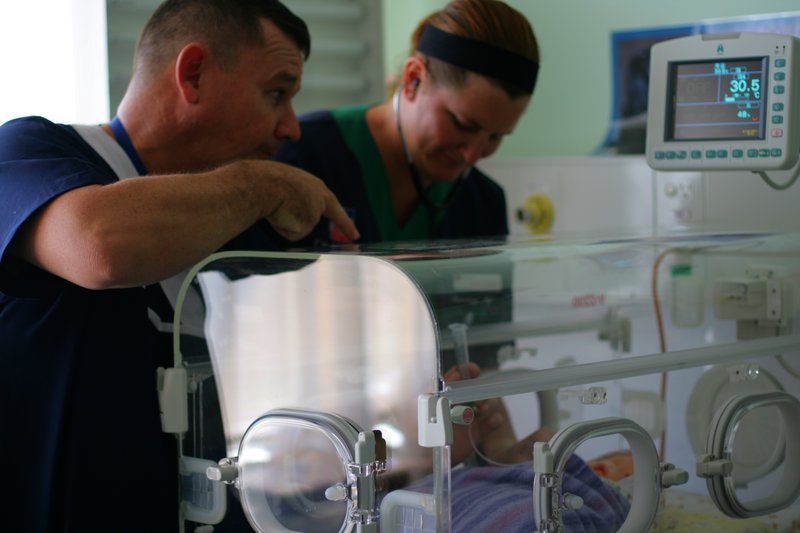
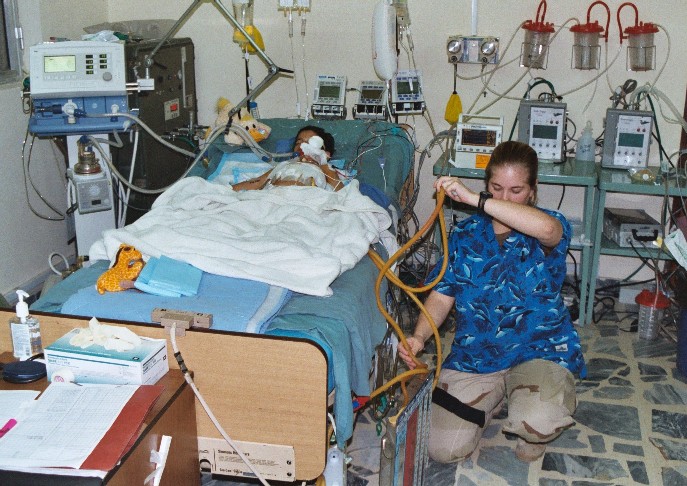

Core characteristics and typical equipment
ICUs combine highly trained staff with technology to monitor and support failing organ systems. Typical equipment includes continuous cardiac and oxygen saturation monitors, mechanical ventilators for respiratory failure, infusion pumps for vasoactive and sedative drugs, and devices to provide renal replacement therapy. Invasive monitoring, such as arterial lines and central venous catheters, is commonly used for precise measurement and delivery of therapies. Strict infection prevention, meticulous fluid and nutrition management, and frequent laboratory and imaging tests are routine.
Staffing, roles and organisation
Care is delivered by multidisciplinary teams led by physicians trained in critical care (intensivists) or by specialist consultants in collaboration with intensivists. Teams include critical care nurses, respiratory therapists, pharmacists, physiotherapists, dietitians and often palliative care and social work input. Nurse‑to‑patient ratios are higher than on general wards and in many settings are managed as 1:1 or 1:2 depending on patient acuity. Many hospitals operate levels of care: full intensive care, high‑dependency or step‑down units, and specialised units for neonates or children.
Common interventions and clinical principles
- Mechanical ventilation and weaning strategies for respiratory failure
- Vasopressor support for circulatory shock
- Renal replacement therapy for severe kidney failure
- Invasive monitoring and precise drug infusions
- Sedation, analgesia, early mobility and delirium prevention
Decisions about life‑sustaining treatments are frequent. Care often balances attempts at organ support with attention to comfort, rehabilitation potential and the wishes of patients and families.
Types of intensive care and admission criteria
- Medical ICU for severe medical conditions, such as respiratory failure or sepsis
- Surgical ICU for major postoperative care
- Coronary care units for acute cardiac conditions
- Neonatal (NICU) and paediatric (PICU) intensive care for infants and children
- Specialist units: neurocritical care, trauma, burns and transplant centres
Admission is typically based on the need for advanced monitoring or therapies, risk of deterioration, and potential benefit from intensive support. Triage and capacity planning are important when demand exceeds available beds.
Outcomes, complications and contemporary issues
Intensive care has transformed survival for many severe illnesses, but the care is resource‑intensive and can be associated with complications such as ICU‑acquired infections, delirium, muscle weakness and prolonged rehabilitation needs. Severity scoring systems (for example, commonly used clinical scores) can help estimate risk and guide decisions but do not replace individual clinical judgement.
Contemporary challenges include workforce training, costs, prevention of ICU‑acquired harm, integration of family‑centred care, ethical decisions about initiating or withdrawing life‑sustaining treatments, and surge capacity planning highlighted by recent global infectious disease outbreaks. Quality improvement, research and simulation training continue to evolve the practice of critical care.
Related articles
Author
AlegsaOnline.com Intensive Care Unit (ICU): purpose, organization, types and history Leandro Alegsa
URL: https://en.alegsaonline.com/art/47560
Sources
- ispub.com : "Intensive Care Unit"
- dartmed.dartmouth.edu : "Remembering Dr. William Mosenthal: A simple idea from a special surgeon"
- commons.wikimedia.org : Intensive-care units