
Insulin pump: portable insulin delivery, components, uses and considerations
Overview of insulin pumps — how they work, components, history, benefits, risks, and integration with glucose monitoring and carb counting for diabetes management.
Overview
An insulin pump is a small wearable medical device that delivers insulin continuously to people with diabetes to help control blood glucose. Pumps are an alternative to multiple daily injections and are used to provide intensive insulin therapy by simulating the pancreas’s basal and bolus insulin supply. For background information on the hormone delivered by these devices see insulin, and for context about the condition most commonly treated see diabetes mellitus.
Image gallery
8 Images





Components and how it works
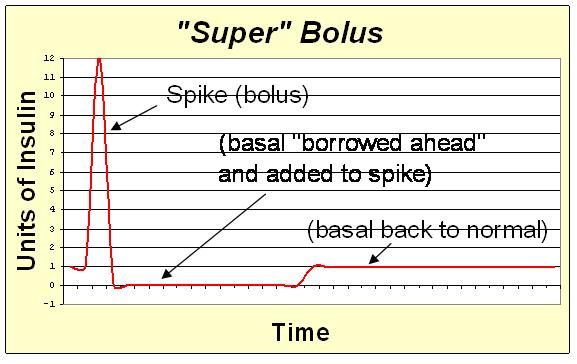
Typical systems include a pump housing with controls and a reservoir, tubing or a patch interface, and an infusion set that places insulin under the skin. Pumps are programmed to give a steady background (basal) infusion and on-demand boluses to cover meals or correct high readings. They are commonly used alongside carbohydrate counting and self-monitoring: patients often combine pump therapy with carb counting (carbohydrate counting) and frequent blood checks or continuous glucose monitoring.
Types and features
- Traditional tubed pumps: a reservoir inside the pump connects to an infusion site via tubing.
- Patch pumps: tubeless devices that stick to the skin and contain a small reservoir and infusion cannula.
- Smart features: many pumps support programmable profiles, calculators for bolus doses, alarms, and data export. Increasingly they can integrate with glucose sensors to reduce hypoglycemia and in some systems form part of automated insulin delivery or “closed‑loop” setups.
History and development
Insulin infusion devices were developed in the late 20th century to improve precision and flexibility of insulin delivery. Over decades they have become smaller, more user friendly, and better integrated with glucose-sensing technology. Ongoing advances focus on automation, safety features, and interoperability with monitoring systems.
Benefits, uses and examples
Pumps are often chosen by people who need flexible lifestyles, those who experience frequent blood glucose variability, or people who prefer fewer daily injections (injections). Benefits can include finer control of basal rates, easier adjustment for activity or illness, and simplified delivery of boluses for meals. Pumps are used across age groups, from children to older adults, when appropriate training and follow-up are available.
Risks, limitations and care
Potential drawbacks include device malfunction, infusion-site problems, and a risk of rapid rise in blood glucose if delivery is interrupted. Regular site rotation, reservoir changes, and monitoring with blood glucose meters or continuous sensors (blood glucose monitors) are important. Cost, supplies, and patient willingness to manage the device are also considerations when choosing pump therapy.
Related articles
Author
AlegsaOnline.com Insulin pump: portable insulin delivery, components, uses and considerations Leandro Alegsa
URL: https://en.alegsaonline.com/art/47519