
Tours, France
Tours is a historic city on the Loire in central France, prefecture of Indre-et-Loire. Known for its medieval centre, cathedral, university and proximity to Loire Valley châteaux, it is a regional cultural and transport hub.
Overview
Tours is a city on the Loire River in the heart of central France. It serves as the prefecture of the department of Indre-et-Loire and has a population of about 143,000 inhabitants. The city functions as an administrative, educational and cultural centre for the surrounding region and is often considered a gateway to the Loire Valley.
Image gallery
10 Images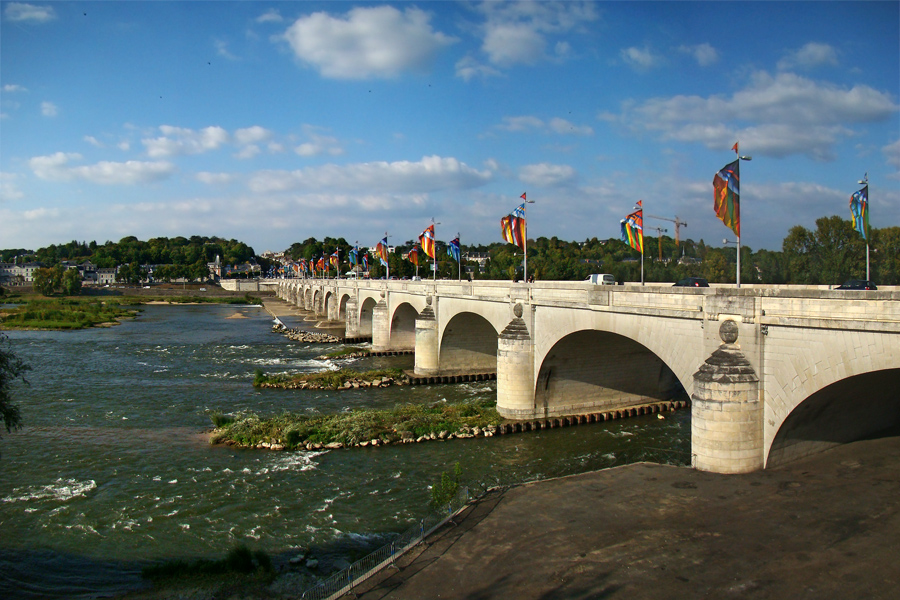


Characteristics and layout
The urban fabric combines a compact medieval core with more modern districts and riverside promenades. The old town, sometimes called Vieux Tours, features narrow streets, timber-framed houses and lively public squares, while broader avenues and parks spread out from the centre. Public transport includes tram and bus networks that connect residential areas with commercial and university zones.
History and heritage
Tours has deep historical roots as a religious and commercial centre. It grew around early Christian foundations and later became prominent in the medieval period. The city preserved important monuments such as its cathedral and churches that reflect Gothic and later architectural phases. Over centuries Tours benefited from its proximity to the Loire and the many castles and estates of the surrounding province of Touraine.
Landmarks and cultural life
- Saint-Gatien Cathedral and historic churches in the city centre.
- The timbered streets and cafés of the old quarter, including popular public squares.
- Museums covering local history, fine arts and archaeology.
- Nearby Loire châteaux and vineyards that attract regional tourism.
Economy, education and transport
Tours is home to a university and several research institutions, which shape a substantial student population and a knowledge-based economy. The city also hosts public administrations, service industries and a tourism sector linked to the Loire Valley. Rail links and road connections make Tours an accessible hub for regional travel and for visitors exploring central France.
Notable facts
While compact compared with France's largest metropolises, Tours plays an outsized cultural role in its department and the Loire region. It combines preserved historic quarters with contemporary urban life, making it both a residential centre and a point of departure for exploring the riverside landscape and heritage sites of the Loire Valley.
Related articles
Author
AlegsaOnline.com Tours, France Leandro Alegsa
URL: https://en.alegsaonline.com/art/100904