
Indian National Army (Azad Hind)
The Indian National Army (INA) was a military force formed during World War II to fight British rule in South Asia, allied with Japan and linked to the provisional Azad Hind government under Subhas Chandra Bose.
Overview
The Indian National Army (INA) was a military formation associated with the provisional government known as Azad Hind. It emerged during the Second World War and operated on territories that later became modern India, Pakistan and Myanmar. The INA campaigned alongside Japanese forces in Southeast Asia and the Burma theatre of the Second World War. It ceased to exist after the defeat of Japan and the collapse of the Azad Hind administration.
Image gallery
10 Images



Origins and leadership
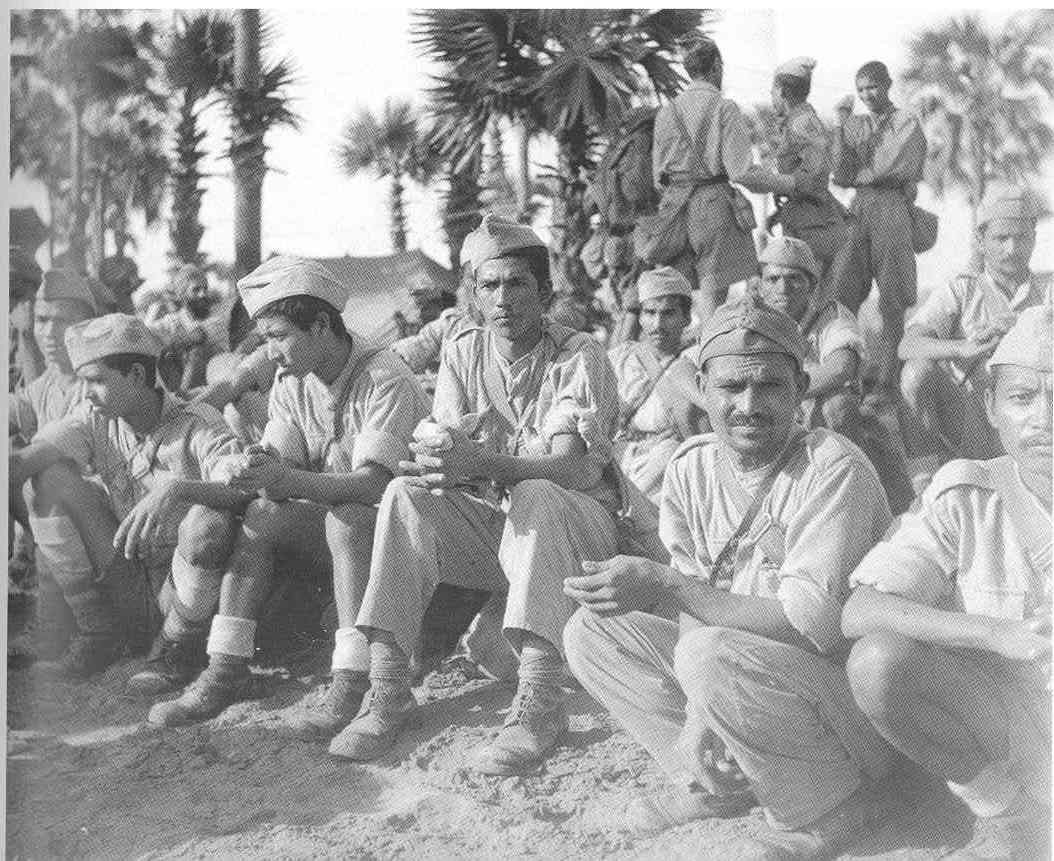
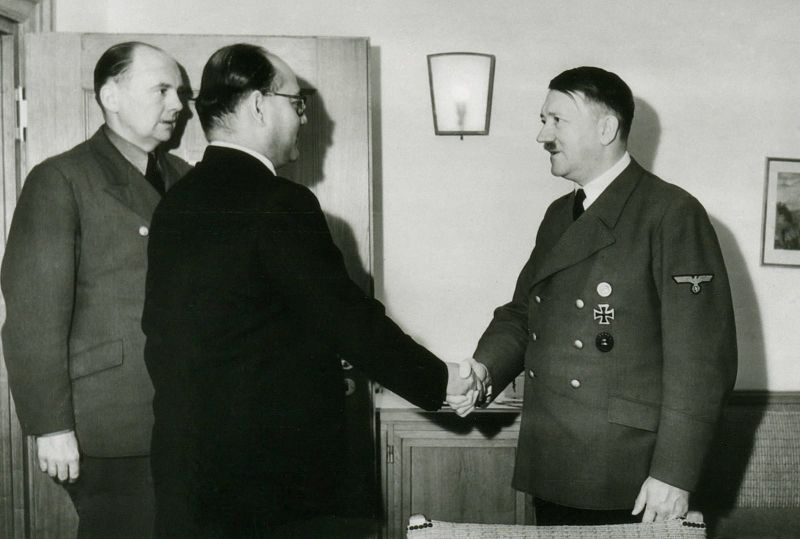
The INA grew out of efforts to recruit Indian prisoners of war and expatriates who wished to fight British colonial rule. Early initiatives were supported by Japanese military intelligence; Japanese officers such as Fujiwara Iwaichi are often noted for their role in facilitating contacts. Initial leadership included Indian officers who had been captured or resident in Southeast Asia. In 1943 Subhas Chandra Bose, a prominent independence leader, took charge of the movement and became the best-known head of the Azad Hind government, providing the INA with a clearer political purpose and public profile.
Organization and distinctive units
The INA combined regular infantry-style formations with political and civil wings that sought to mobilize support among Indians living under Japanese occupation. It had its own provisional government organs and symbols in exile. One of its notable features was the Rani of Jhansi Regiment, a women’s unit led by officers such as Captain Lakshmi, which drew attention because it was among the first all-female combat units raised by Indians. The Indian Independence League functioned alongside the INA as a political forum for coordination and propaganda.
Military campaigns
The INA participated primarily in the Burma campaign and related operations in northeastern India and the Bay of Bengal region. Its forces fought in several engagements while attached to Japanese formations. The INA’s military impact was constrained by limited heavy equipment, logistical difficulties and dependence on Japanese supply lines. Strategic reverses in 1944–45 forced widescale retreats and ultimately the collapse of the INA’s field presence as Allied forces pushed back in Burma.
Trials, legacy and historical debate
After the war many INA personnel were taken prisoner; the subsequent trials of several officers and soldiers became a major political issue in South Asia. Public sympathy for the defendants and widespread reporting of the trials influenced opinion within the Indian independence movement. Azad Hind and the INA remain subjects of debate: they are remembered by many as a symbol of anti-colonial struggle and by others as collaborators with Imperial Japan. Historians evaluate the INA’s military effectiveness, political significance and complex moral legacy in the context of wartime choices and the broader drive for independence.
Notable points
- The INA represented an organized attempt to create an Indian army mobilized specifically for independence rather than for colonial service.
- Its association with a provisional government, Azad Hind, gave the movement a state-like framework in exile.
- Controversy over alliance with Axis powers and the INA’s wartime conduct continues to shape its historical reputation.
Questions and answers
Q: What was the Indian National Army?
A: The Indian National Army was the army of Azad Hind.
Q: Where did Azad Hind exist?
A: Azad Hind existed on the territory which would later become India, Pakistan, and Myanmar.
Q: What did the Indian National Army do during the Second World War?
A: During the Second World War, the Indian National Army fought in what is known as Burma campaign today.
Q: Why was Azad Hind disbanded?
A: Azad Hind was disbanded after the war.
Q: Who were the creators of the Indian National Army?
A: The Indian National Army was the brainchild of Fujiwara Iwaichi and Pritam Singh Dhillon.
Q: Which areas did Azad Hind cover?
A: Azad Hind covered the territory that would later become India, Pakistan, and Myanmar.
Q: When was the Indian National Army disbanded?
A: The Indian National Army was disbanded after the Second World War.
Related articles
Author
AlegsaOnline.com Indian National Army (Azad Hind) Leandro Alegsa
URL: https://en.alegsaonline.com/art/47113