
Indian cobra (Naja naja) — spectacled cobra of the Indian subcontinent
The Indian cobra (Naja naja) is a venomous snake native to South Asia, known for its hood, cultural significance, and role among the 'big four' snakes responsible for most bites in India.
Overview
The Indian cobra, often called the spectacled cobra, is a venomous snake native to the Indian subcontinent. It is a member of the genus Naja and is scientifically designated as Naja naja. This species is one of the so‑called "big four" snakes whose bites account for a large proportion of medically significant envenomings in India; the group is commonly referred to in public health discussions and literature here.
Image gallery
10 Images





Physical characteristics
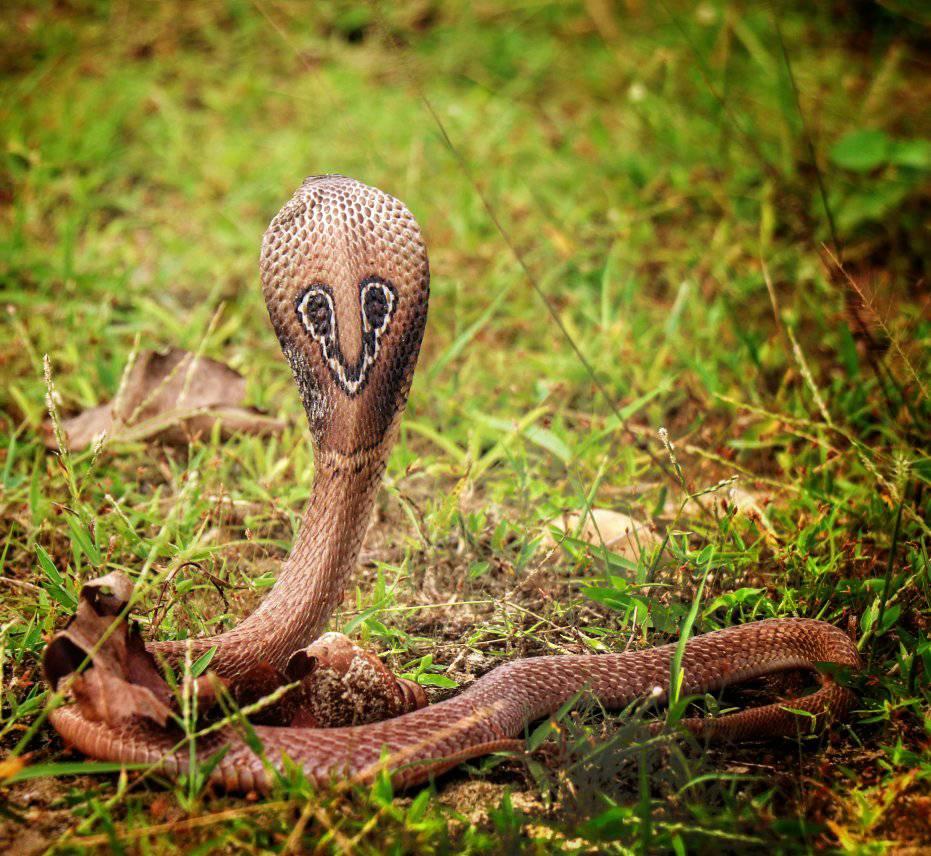
The Indian cobra is recognizable by its ability to flare a hood when threatened and by a variable dorsal pattern that may include a spectacle‑shaped mark behind the head. Coloration ranges from pale yellow and brown to nearly black, and juveniles may differ from adults in pattern intensity. Its build is relatively robust with smooth scales.
- Head: distinct, slightly broader than the neck when hooded.
- Hood: expanded by elongated ribs; used for display and defense.
- Size: medium to large for regional snakes, with variation by locality.
Behavior and venom
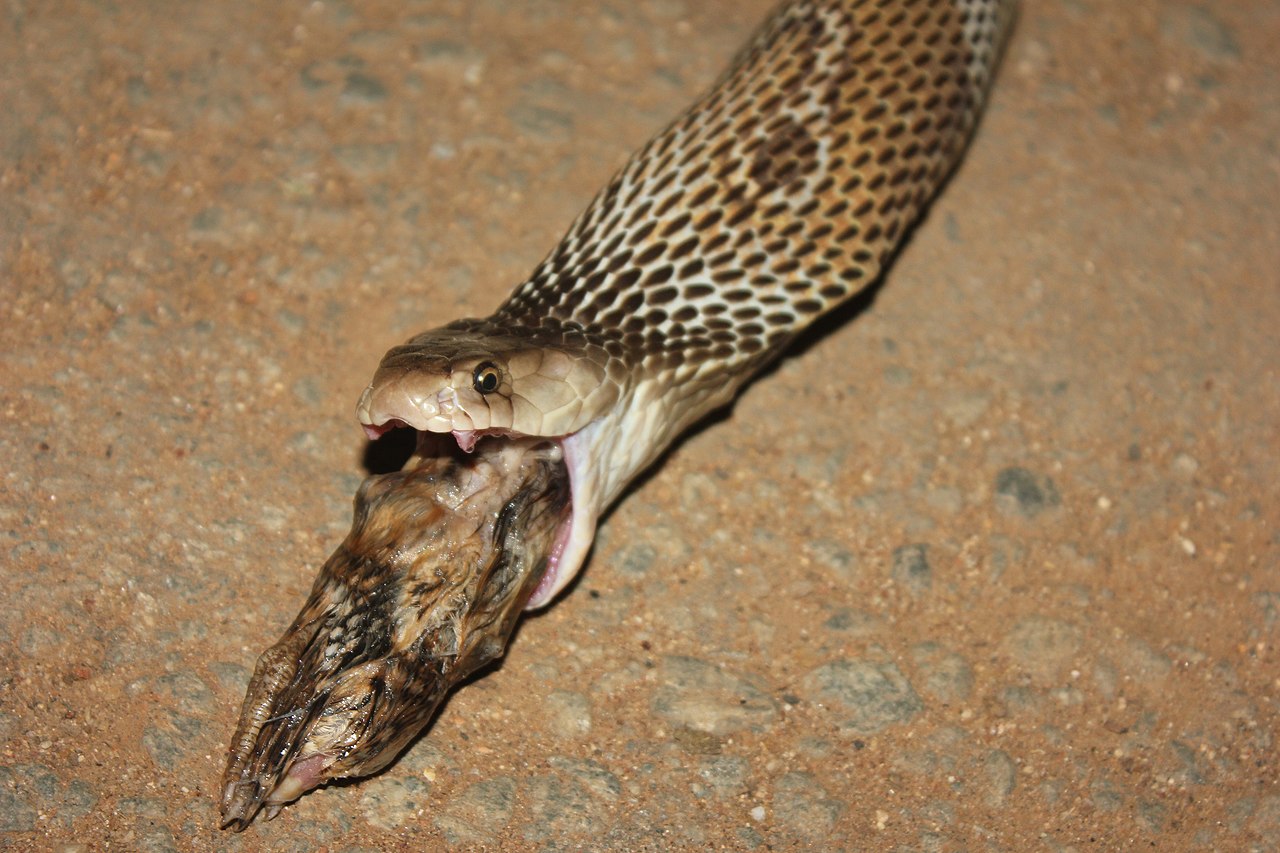
The species is primarily terrestrial and often found near human habitation, where it hunts rodents, frogs, and other small animals. It is predominantly active at dusk and night but may move by day. When disturbed, the cobra raises its forebody, spreads its hood, and may strike. Its venom is neurotoxic and can cause paralysis and respiratory failure if untreated; envenoming requires prompt medical care and, in many regions, administration of appropriate antivenom.
Cultural significance and human interactions
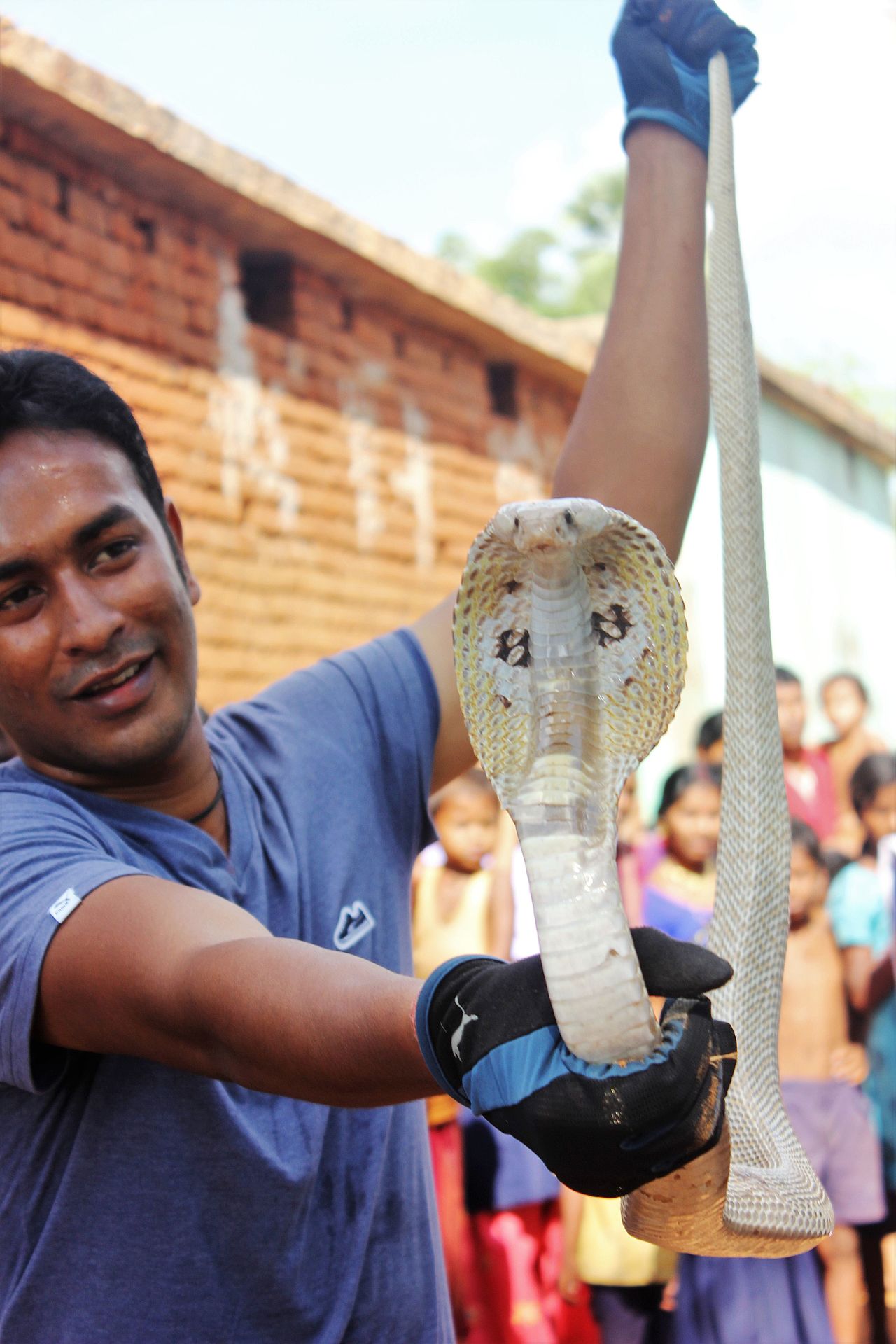
The Indian cobra holds a prominent place in South Asian mythology, religion, and folk tradition. It appears in iconography and stories, and has historically been associated with deities, protection, and rebirth. Cobras are often depicted in scenes with snake charmers, a traditional practice that has drawn popular attention and is sometimes referenced with the phrase snake charmers. Human conflict—through intentional killing, road mortality, and habitat loss—occurs where snakes enter agricultural or urban areas.
Conservation and notable facts
Population status varies regionally. Conservation attention focuses on mitigating human–snake conflict, preserving habitat, and improving access to medical treatment for bites. The Indian cobra is an emblematic species for discussions on wildlife coexistence in densely populated landscapes and remains one of the best‑known snakes in Asia for both scientific study and cultural representation.
For further reading on classification and public health implications see resources linked here: species account, genus overview, and discussions of the big four. Historical and cultural perspectives may be explored via materials on traditional snake handling.
Related articles
Author
AlegsaOnline.com Indian cobra (Naja naja) — spectacled cobra of the Indian subcontinent Leandro Alegsa
URL: https://en.alegsaonline.com/art/47096