
Cinema of India: History, Regional Industries, Styles, and Global Reach
An overview of the diverse film industries of India: origins, major regional cinemas, genres, cultural impact, production and distribution, and the industry's global influence and contemporary trends.
Overview
The cinema of India comprises films made across a wide range of languages, regions and filmmaking traditions. Indian motion pictures blend popular entertainment, regional storytelling and an active art-film scene. Together they form one of the world’s largest and most varied film cultures: from mainstream commercial blockbusters to small independent features and documentaries. The country's long filmmaking history began in the early 20th century and continues to evolve in theatres and on digital platforms as audiences both inside India and among the diaspora abroad expand. For general information on how films are produced and distributed, see films, and for context about the country where these industries operate, see India.
Image gallery
10 Images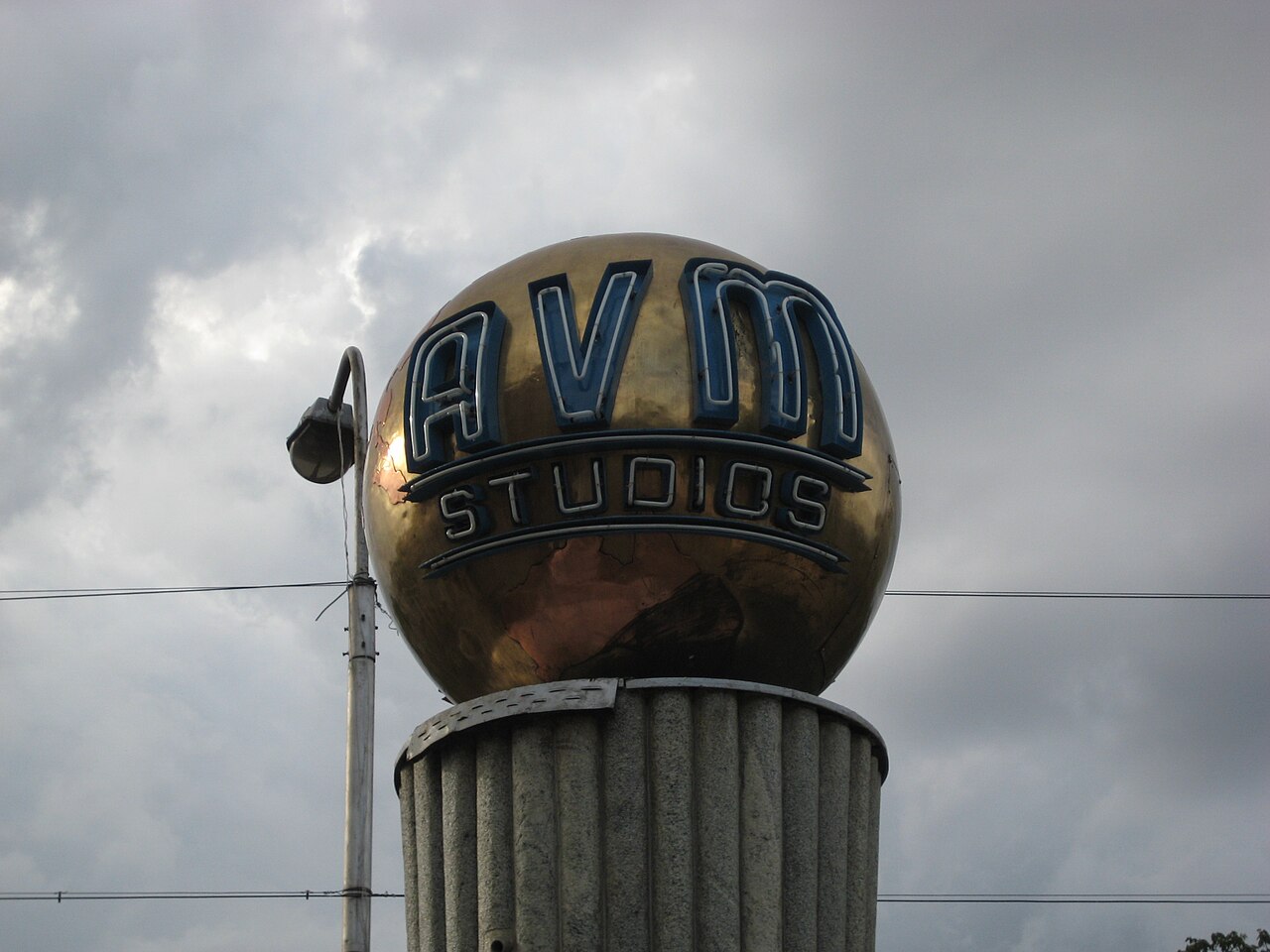


Regional industries and languages
Indian cinema is not a single monolith but a collection of regional industries working in different languages. The most widely known nickname is Bollywood, the Hindi-language centre based in Mumbai. Other prominent industries include:
- Telugu cinema (often called Tollywood)
- Tamil cinema (commonly called Kollywood)
- Malayalam cinema (often noted for strong writing and realism)
- Kannada cinema (sometimes called Sandalwood)
- Many additional regional and tribal-language cinemas across the subcontinent
History and development
Indian filmmaking began in the silent era; the 1913 feature Raja Harishchandra is widely acknowledged as the country’s first full-length narrative film. The arrival of sound in the early 1930s transformed production, popularising song-and-dance formats that remain important. The mid-20th century saw a flourishing of both commercial and serious cinema, with internationally influential art filmmakers emerging from regional traditions. Over decades the industry adapted through technological change, colour film, multiplex exhibition and, more recently, digital production and streaming.
Genres, styles and production traits
Popular Indian films frequently combine music, choreography and melodrama with narratives that mix romance, action and comedy; such hybrids are often called "masala" films. At the same time, parallel or art cinema explores realist, political and experimental themes. Star actors, elaborate song sequences and tightly integrated music tracks are distinctive production traits. Filmmaking in India ranges from high-budget spectacles to low-budget independent features, and it operates within a framework of national certification and regional regulations.
Distribution, audiences and global influence
Indian movies reach diverse audiences: large domestic markets, neighbouring South Asian countries, the Middle East and sizable diasporas in the United Kingdom, the United States and elsewhere. International film festivals and awards highlight art-house work, while commercial releases find audiences through theatrical circuits and global streaming services. Hollywood and other film industries sometimes collaborate with Indian producers, reflecting a growing exchange of talent and capital; see comparisons to Hollywood as an example of a major global film industry.
Contemporary trends and notable facts
Today Indian cinema continues to be commercially important and culturally influential. The industry produces a large number of titles each year, supports extensive regional talent networks, and adapts quickly to new technologies and distribution channels. Film festivals, national awards and strong regional traditions sustain a dynamic environment in which commercial popular cinema and serious independent work coexist. For an introduction to Bollywood history and culture, consult resources on Bollywood.
Related articles
Author
AlegsaOnline.com Cinema of India: History, Regional Industries, Styles, and Global Reach Leandro Alegsa
URL: https://en.alegsaonline.com/art/47095
Sources
- timesofindia.indiatimes.com : "Chinese film industry races close to Bollywood"