
Indiana Jones and the Temple of Doom
1984 action-adventure film directed by Steven Spielberg, starring Harrison Ford; a darker prequel in the Indiana Jones series known for its action, controversial imagery, and cultural legacy.
Overview
Indiana Jones and the Temple of Doom is a 1984 American action-adventure film that functions as a prequel in the Indiana Jones series. It features Harrison Ford as the archaeologist-adventurer Dr. Henry "Indy" Jones and was released between other franchise installments. The story is set in the 1930s and follows Indy on a mission in India to recover powerful ritual objects and to rescue enslaved children from a secretive cult.
Image gallery
4 Images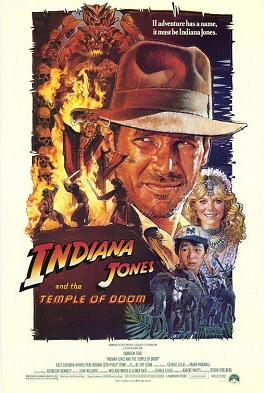


Cast and plot elements
The film pairs Ford with a supporting cast that includes a resourceful streetwise companion and a show-business singer. Key characters and features include:
- Short Round — a young sidekick who provides comic relief and loyalty.
- Willie Scott — a nightclub singer whose presence shifts the tone in several sequences.
- The central MacGuffins — sacred stones and a sinister cult — which drive the expedition-style plot.
Production and creators
The picture was produced by major collaborators of the series and directed by Steven Spielberg. Its score and thematic motifs were composed by John Williams, supporting the film’s dramatic action beats. The movie was shot using practical stunts and soundstage sets mixed with location photography to create its heightened serial-adventure atmosphere.
Reception, controversy, and context
Upon release the film proved commercially successful but provoked more divided reviews than its predecessor, Raiders of the Lost Ark. Critics and audiences praised the craftsmanship of the action scenes while some commentators criticized the depiction of other cultures and scenes of intense violence or disturbing imagery. Those reactions became part of a larger discussion in 1984 about age-appropriate rating standards for films.
Legacy and notable facts
Temple of Doom remains distinctive within the franchise for its darker tone, memorable set pieces, and for introducing recurring franchise elements such as complex stunt work and evocative themes. It influenced later entries by defining a balance between pulpy adventure and more intense sequences, and it continues to be discussed for both its cinematic strengths and the cultural questions it raised.
Further reading and credits: see the principal collaborators and franchise background via linked resources above.
Related articles
Author
AlegsaOnline.com Indiana Jones and the Temple of Doom Leandro Alegsa
URL: https://en.alegsaonline.com/art/47145