
Anton Chekhov: Russian playwright and short story writer
Anton Chekhov (1860–1904), Russian physician-turned-writer, innovated modern short fiction and drama; known for plays like The Seagull and The Cherry Orchard and for subtle, character-driven realism.
Anton Chekhov (January 29, 1860 – July 15, 1904) was a Russian writer and physician whose short stories and plays helped reshape modern fiction and theatre. Renowned for a restrained, observational style, he combined compassion with irony to depict ordinary lives and social change in late 19th-century Russia.
Image gallery
10 Images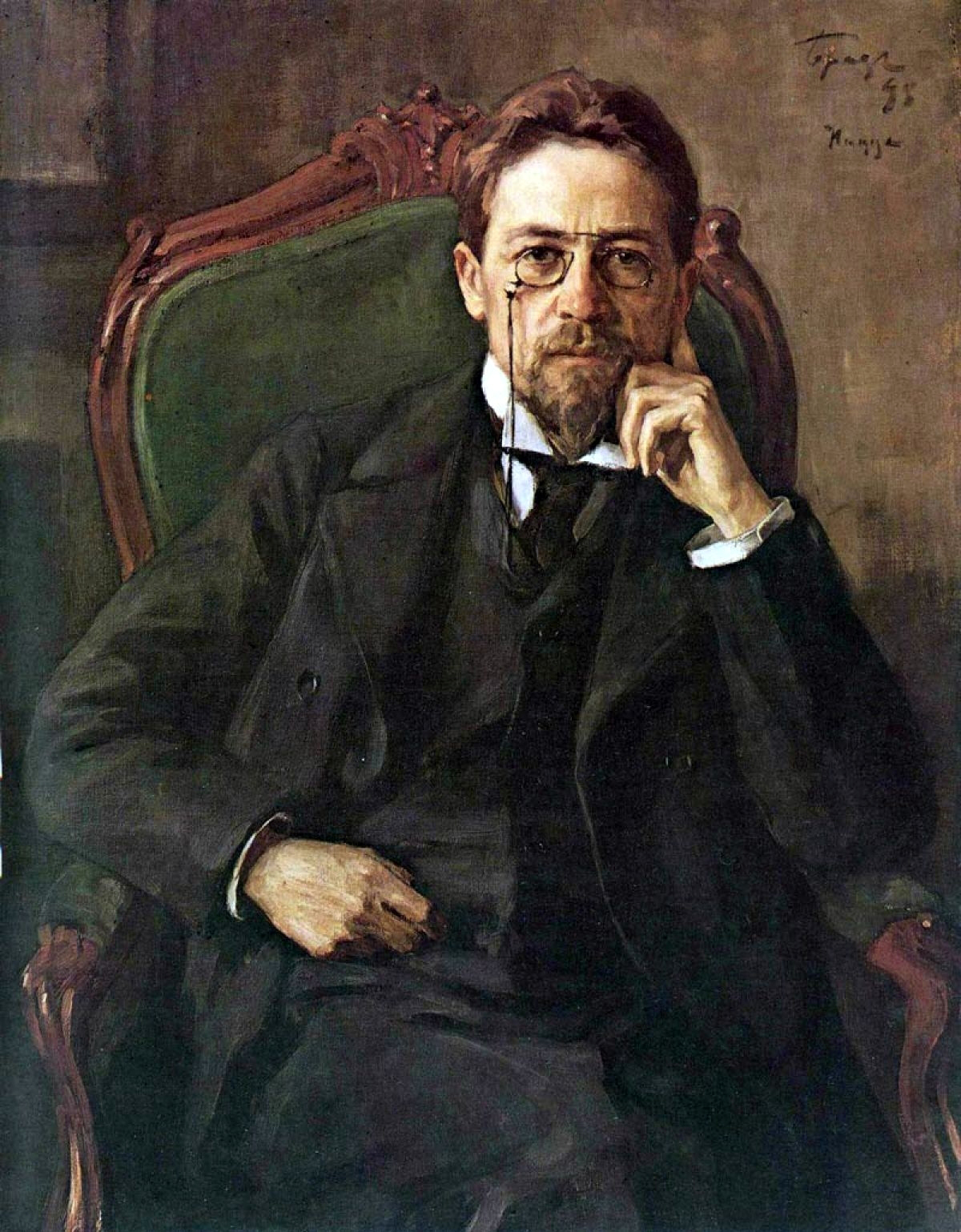



Life and career
Born in Taganrog, Chekhov studied medicine in Moscow and supported himself through writing while practising as a doctor. He published steadily in newspapers and literary journals and gradually gained respect for his short fiction. As his health declined from tuberculosis, he spent long periods in the south of Russia. His plays achieved wide recognition through collaboration with the Moscow Art Theatre.
Style and themes
Chekhov favored subtlety over melodrama: scenes often rely on suggestion and subtext rather than explicit exposition. He portrayed characters with psychological depth, blending humor and melancholy and emphasizing the small disappointments and hopes of everyday life. His work frequently explores change, stagnation, and the complexities of human relationships.
Major works
- Plays: The Seagull; Uncle Vanya; Three Sisters; The Cherry Orchard — four plays central to modern drama.
- Short stories: numerous pieces including widely read examples such as "The Lady with the Dog," noted for concise storytelling and moral ambiguity.
Legacy and importance
Chekhov's techniques influenced 20th-century fiction and theatre, inspiring writers, directors, and actors who prize psychological realism and ensemble acting. His plays are staples of repertory companies worldwide, and his short stories remain models of narrative economy and mood.
Notable facts
- By training a physician, he continued to practise medicine at times and sometimes placed patients' needs above his literary career.
- He wrote prolifically and maintained extensive correspondence; his health problems shaped both his life and settings in his later work.


Museums
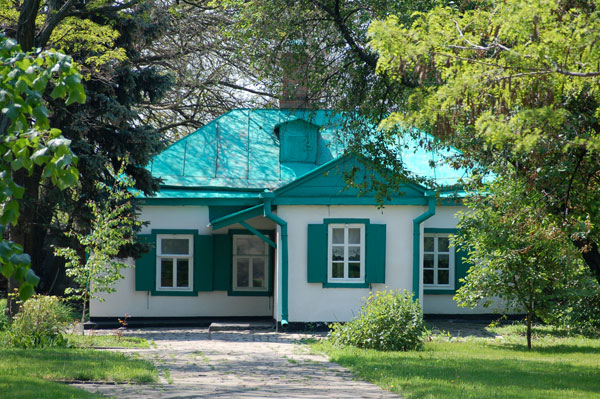
- Chekhov House in Taganrog
- Chekhov Museum Taganrog
- Chekhov's store in Taganrog
- Chekhov Museum Melikhovo
- Chekhov Museum Yalta
- Chekhov Museum Gursuf
- Chekhov Museum Sumy
Adaptations
Filming
- 1926: Superfluous People - Director: Alexander Rasumny - Based on eleven novellas
- 1939: Čelovek v futljare - Director: Isidor Annenski - Based on the story The Man in the Case
- 1944: The Wedding (Swadba) - Director: Isidor Annenski
- 1944: Summer storm - Director: Douglas Sirk
- 1954: Heart Without Love (Anna na scheje) - Director: Isidor Annenski - Based on the story Anna am Halse
- 1954: The Swedish Match (Schwedskaja spitschka) - Director: Konstantin Judin
- 1955: The Cricket (Poprygunja) - director: Samson Samsonow - based on the novella of the same name (also: Flattergeist, A Woman Who Loves Art)
- 1960: The Lady with the Little Dog (Dama s sobatschkoi) - Director: Iossif Cheifiz
- 1961: The Steppe (La steppa) - Director: Alberto Lattuada
- 1962: Double Bass (Le contrebasse) - Director: Maurice Fasquel
- 1963: The Three Faces of Fear (I tre volti della paura) - directed by Mario Bava - the third episode is based on a novella by Chekhov.
- 1966: Little Soul (Duschetschka) - Director: Sergei Kolossow
- 1966: In the City of S. (W gorode S.) - Director: Iossif Cheifiz
- 1968: The Seagull - Director: Sidney Lumet
- 1968: Tragedy on the Hunt - Director Gerhard Klingenberg
- 1969: The Chief Witness (Glawny swidetel) - Director: Aida Mansareva
- 1970: The Seagull (Tchaika) - Director: Juli Karassik
- 1970: Uncle Vanya (Djadja Vanya) - Director: Andrei Mikhalkov-Konchalovsky
- 1973: These different, different faces (Eti rasnyje, rasnyje, rasnyje liza) - Director: Juri Saakow - Based on various stories
- 1973: A Bad, Good Man (Plochoi choroshi tschelowek) - Director: Iossif Cheifiz - Based on the story The Duel
- 1974: Romance with a Double Bass - Director: Robert Young - Original: Story Romance with a Double Bass
- 1975: Kashtanka - Director: Roman Balajan
- 1977: Unfinished score for a mechanical piano (Neokontschennaja pjessa dlja mechanitscheskowo pianino) - director: Nikita Michalkow - original: stage play Platonow
- 1977: Funny People (Smeschnyje ljudi) - Director: Michail Schweizer
- 1978: The Steppe (Step) - Director: Sergei Bondarchuk
- 1978: The Drama of the Hunt (Drama a vadászaton) - Director: Károly Esztergályos
- 1978: My gentle, tender animal (Moi laskowy i neschny swer) - Director: Emil Loteanu - Original: Story Drama on the Hunt
- 1979: The beneficiary - Director: Carlo Gebler
- 1980: Tales of an Unknown Man (Rasskas neiswestnowo tscheloweka) - Director: Vytautas Žalakevičius
- 1982: Swan Song - Director: Ulrich Engelmann (studio recording of three one-act plays)
- 1983: Three Sisters - Director: Thomas Langhoff
- 1984: The Willow Tree - Director: Sohrab Shahid Saless
- 1984: The Bear - Director: Don Askarian
- 1987: Black Eyes (Ochi chornye) - Director: Nikita Mikhalkov - based on the story The Lady with the Little Dog
- 1987: The Black Monk (Chorny monach) - Director: Ivan Dykhovichny
- 1988: Fear and Love (Paura e amore) - Director: Margarethe von Trotta - based on the drama Three Sisters
- 1990: Ariadne - ARD/RAI - based on a short story - directed by Jochen Richter - with Barbara Wussow, Albert Fortell, Nikolaus Paryla
- 1992: Swan Song, based on Swan Song - directed by Kenneth Branagh
- 1994: Vanya - 42nd Street (Vanya 42d street) - Director: Louis Malle - Based on the stage play Uncle Vanja. Scenes from country life
- 1994: A love in Australia (Country life) - Director: Michael Blakemore - Based on the stage play Uncle Vanja. Scenes from country life
- 1995: August (August) - Director: Anthony Hopkins - Based on the stage play Uncle Vanja. Scenes from Country Life
- 2003: The little Lili (La petite Lili) - Director: Claude Miller - Based on the stage play The Seagull
- 2005: The Sisters - Director: Arthur Allan Seidelman - Based on the stage play Three Sisters
- 2007: Afternoon - Director: Angela Schanelec - Based on the stage play The Seagull
- 2009: The Duel - Director: Dover Koshashvili - Based on the story The Duel
- 2014: Winter Sleep - Director: Nuri Bilge Ceylan
Radio plays
- 1956: The Tragedy of the Hunt - Adaptation: Josef Martin Bauer - Starring: René Deltgen, Philipp Gehly, Hanns Ernst Jäger, Hannes Messemer, Kaspar Brüninghaus, Rosel Schäfer, Bernd M. Bausch, Herbert Hennies, Karl Brückel a. o. - Director: Eduard Hermann (WDR) Length: 82′50 minutes
- 1959: Onkel Wanja - Adaptation: Erika Kähler - Starring: Wolfgang Heinz, Erika Pelikowsky, Steffi Freund, Amy Frank, Emil Stöhr, Karl Paryla, Mathilde Danegger and Dieter Perlwitz - Director: Herwart Grosse (Rundfunk der DDR) Length: 83′38 minutes
- 1972: A Bad Thing (Russian: Недоброе дело / The Misstep) - adapted and directed by Joachim Staritz - starring: Walter Lendrich, Hans-Edgar Stecher, Gerhard Rachold a. o. (Rundfunk der DDR) Length: approx. 65 minutes
- 1978: Das schwedische Zündholz - Adaptation: Carl Dietrich Carls - Participants: Walter Jokisch, Rüdiger Lichti, Hans Helmut Dickow, Manfred Heidmann, Heinz Schacht, Alwin Joachim Meyer, Brigitte Drummer, Elisabeth Endriss and Siegfried Wischnewski - Director: Edward Rothe (WDR) Length: 60 minutes
- 2004: My heart - my dog, a love in letters. Editing: Andrea Clemen. Starring: Martina Gedeck, Christian Redl, Regieé Jannings. Length: 65 minutes, MDR
Audio books
- Three Sisters Read by Ernst Jacobi, Julia Costa, Cordula Trantow and many others. Der Hörverlag, Munich 2003. 2 CDs (running time 130 min.). ISBN 3-89584-706-2
- Der Kirschgarten Read by Marianne Hoppe, Cordula Trantow, Luitgard Im, Günter Mack, Ernst Jacobi and many others. Der Hörverlag, Munich 2003. 2 CDs (running time 95 min.). ISBN 3-89584-707-0
- Die Dame mit dem Hündchen Read by Matthias Haase, Argon Verlag, Berlin 2004. 1 CD (running time 48 min.). ISBN 3-87024-693-6
- Kaschtanka und andere Kindergeschichten Read by Peter Urban, Diogenes Verlag AG, Zurich 2006. 1 CD (running time 85 min.). ISBN 978-3-257-80023-4
- Verocka. Stories of love. Read by Otto Sander, Diogenes Verlag AG, Zurich 2006. 4 CDs (running time 282 min.). ISBN 978-3-257-80902-2
- An Unnecessary Victory. Early novellas and a short novel. Read by Frank Arnold, Diogenes Verlag AG, Zurich 2008. 7 CDs (running time 425 min.). ISBN 978-3-257-80210-8
- Narrative of a stranger Read by Rolf Boysen, Diogenes Verlag AG, Zurich 2009. 4 CDs (running time 239 min.). ISBN 978-3-257-80271-9
- Flattergeist, short story, read unabridged by Ernst Schröder, Diogenes Verlag, Zurich 2009. 1 CD (running time 60 min.)
- Die Dame mit dem Hündchen, Narrative, Unabridged read by Otto Sander, Diogenes Verlag, Zurich 2009, 1 CD (running time 50 min.)
- Ein Duell, from the Russian by Peter Urban, read by Ulrich Matthes, Diogenes Verlag, Zurich 2010, 4 CDs (running time: 302 min.)
Adaptation for musical theatre
- Skripka Rotshilda (Engl. Rothschild's Violin). Opera fragment by Weniamin Fleischmann, completed and orchestrated by his teacher Dmitri Shostakovich. Completed in 1944. 1960 concert premiere in Moscow, 1968 staged premiere in Leningrad, both conducted by Maxim Shostakovich.
- Una domanda di matrimonio (Engl. The marriage proposal). Opera in one act. Libretto: Claudio Fino and Saverio Vertone. Music: Luciano Chailly. Premiere 22 May 1957 in Milan
- The Bear. Extravaganza in One Act. Libretto: Paul Dehn. Music: William Walton. First performance 3 June 1967 in Aldeburgh
- The Cherry Orchard. Opera in four acts. Libretto and music: Rudolf Kelterborn. Premiere 4 December 1984 in Zurich
- Tri sestri (Engl. Three sisters). Opera in three sequences. Libretto: Claus H. Henneberg and Péter Eötvös. Music: Péter Eötvös. Premiere 13 March 1998 in Lyon
- Tatjana. Dramma lirico in one act. Libretto and music: Azio Corghi. Premiere 20 October 2000 in Milan
- Senya. Opera. Libretto and music: Azio Corghi. Premiere 7 March 2003 in Münster
- Impure tragedies and leprous dramatists. Satirical chamber opera in five scenes. Libretto and music: Timo Jouko Herrmann. Premiere 24 June 2004 in Heidelberg
- The novel with the double bass. Lyrical Scenes [Chamber Opera]. Libretto: Michael Leinert. Music: Jürg Baur. Premiere 25 November 2005 in Düsseldorf
- Swan Song. Musical-dramatic etude in one act. Libretto: André Meyer. Music: Timo Jouko Herrmann. Premiere 25 June 2006 in Mannheim
Related articles
Author
AlegsaOnline.com Anton Chekhov: Russian playwright and short story writer Leandro Alegsa
URL: https://en.alegsaonline.com/art/4716
Sources
- commons.wikimedia.org : Anton Pavlovich Chekhov
- gutenberg.org : Works by Anton Chekhov
- ilibrary.ru : Антон Павлович Чехов
- library.taganrog.ru : Web page A.P. Chekhov
- wikidata.org : wikidata.org/wiki/Q5685
- authority.bibsys.no : 90733091
- catalogo.bne.es : XX907635
- catalogue.bnf.fr : cb11926133z
- data.bnf.fr : (data)
- cantic.bnc.cat : a10297406
- d-nb.info : 118638289
- isni.org : 0000 0001 2103 1904
- id.loc.gov : n79130807
- musicbrainz.org : ecf035ed-ecd5-478e-a76e-0b524f0a7dc1
- id.ndl.go.jp : 00435837