
Anton de Bary (1831–1888): founder of plant pathology and modern mycology
German scientist Anton de Bary established experimental plant pathology and modern mycology, clarified fungal life cycles, and introduced the concept of symbiosis.
Overview
Heinrich Anton de Bary (26 January 1831 – 19 January 1888) was a German scientist whose work bridged surgery, botany and microbiology. Trained in the biological traditions of the 19th century, he combined careful observation with experimental methods to transform how diseases of plants and fungi were studied. His name is widely cited as the founder of modern mycology and of scientific plant pathology.
Image gallery
2 Images
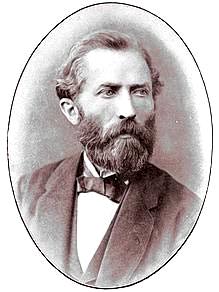
Main contributions
De Bary produced decisive evidence that many plant diseases are caused by specific microorganisms rather than being spontaneous or general symptoms of decay. He studied the life histories of rusts, smuts and water molds, demonstrated host specificity and alternating life stages, and clarified the role of pathogens in outbreaks such as the potato blight. His work is fundamental to fungal systematics and physiology and influenced later microbiology and ecology.
- Experimental plant pathology: showed causality between microbes and plant disease through inoculation and controlled observation.
- Life cycles: mapped complex reproductive stages in rusts, smuts and related organisms, resolving confusing alternate forms into single life histories.
- Concept of symbiosis: argued for cooperative associations between different organisms, notably the fungal–algal partnership in lichens.
Methods and approach
De Bary emphasized microscopy, culture techniques and repeatable experiments. He combined field observations with laboratory work to separate environmental effects from specific pathogenic action. His interdisciplinary background—sometimes described using labels such as surgeon, botanist and microbiologist—helped him adopt both practical and theoretical perspectives. He also advanced fungal taxonomy by linking morphological stages to full life cycles (fungal systematics) and exploring metabolic and reproductive processes (physiology).
Legacy and significance
De Bary's insistence on experimental proof and precise description set standards for later plant pathologists, mycologists and ecologists. His work underlies modern practices in agricultural disease control, fungal classification and the study of symbiotic relationships. Students and successors built on his methods to develop epidemiology of plant diseases and to refine the biological concept of symbiosis into a central idea in ecology and evolutionary biology.
Notable facts
He is credited with coining or popularizing the modern use of the term "symbiosis" for close living associations between organisms. His careful demonstrations that pathogens are causes, not mere signs, of disease helped move biology toward experimental verification. For further reading, see biographies and reviews of his scientific contributions available via archival and academic resources.
Questions and answers
Q: Who is Anton de Bary?
A: Anton de Bary was a German surgeon, botanist, microbiologist, and mycologist who is considered a founding father of plant pathology and the founder of modern mycology.
Q: What are some of Anton de Bary's contributions to biology?
A: Anton de Bary's extensive and careful studies of the life history of fungi and contribution to the understanding of algae and higher plants were landmarks of biology.
Q: What is phytopathology?
A: Phytopathology is the field of study concerned with the study of plant diseases, including their causes, development, and control. Anton de Bary is considered a founding father of plant pathology.
Q: What is mycology?
A: Mycology is the scientific study of fungi, including their genetic and biochemical properties, their taxonomy and their use to humans as a source for medicinal drugs, food, and fermentation products. Anton de Bary is considered the founder of modern mycology.
Q: What is the significance of Anton de Bary's contributions to biology?
A: Anton de Bary's contributions to biology, particularly in the field of mycology and plant pathology, were significant landmarks of the field. His careful studies of fungi and the understanding of algae and higher plants have helped shape modern biology.
Q: When was Anton de Bary born and when did he die?
A: Anton de Bary was born on January 26, 1831, and he died on January 19, 1888.
Q: Which fields did Anton de Bary work in?
A: Anton de Bary worked in several fields, including surgery, botany, microbiology, and mycology (fungal systematics and physiology).
Related articles
Author
AlegsaOnline.com Anton de Bary (1831–1888): founder of plant pathology and modern mycology Leandro Alegsa
URL: https://en.alegsaonline.com/art/4718