
Anton Lehmden: Austrian Painter and Co‑Founder of the Vienna School of Fantastic Realism
Anton Lehmden (1929–2018) was an Austrian painter, draughtsman and printmaker, notable for co-founding the Vienna School of Fantastic Realism and for visionary landscapes, murals and graphic work.
Overview
Anton Lehmden (born 2 January 1929 in Nitra, Slovakia — died 7 August 2018 in Vienna, Austria) was an Austrian painter, draughtsman and printmaker. He is best known as one of the co‑founders of the Vienna School of Fantastic Realism, a mid‑20th century movement that combined classical painting technique with surreal, mythic and visionary subject matter. Over a long career he showed work internationally and produced paintings, prints and large‑scale public works.
Image gallery
2 Images
Style and subjects
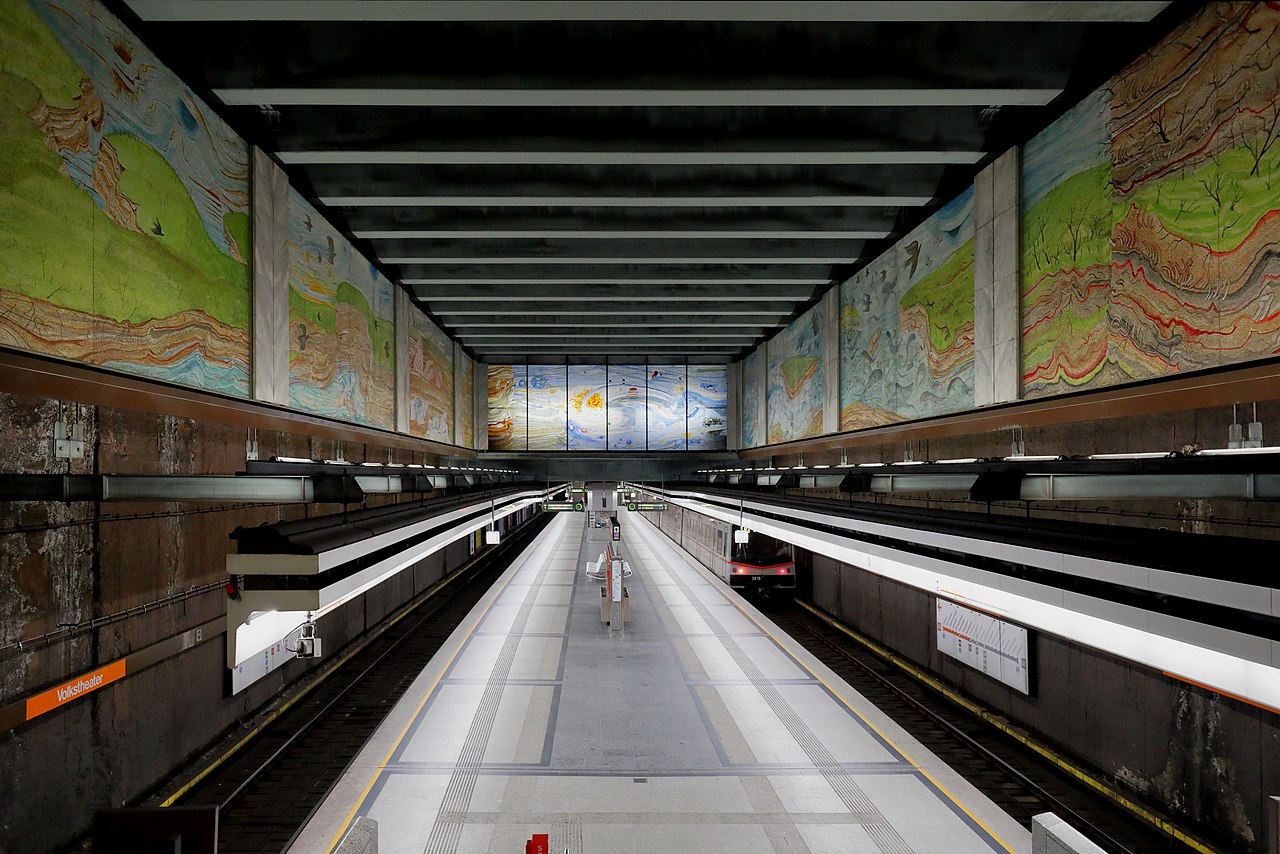
Lehmden’s art is characterized by meticulous draftsmanship and richly detailed compositions. His imagery often blends natural forms, architectural ruins, cosmic panoramas and mythological figures into panoramic narratives. The result can feel both archaeological and apocalyptic: landscapes that suggest deep time, memory and transformation. He worked across media, including oil painting, ink drawing and printmaking, and sometimes produced murals and stage or set designs.
Career and influence
Emerging in the post‑war period, Lehmden was part of a circle of artists who studied in Vienna and sought to renew painting by combining Old Master techniques with contemporary imagination. Fellow members and contemporaries included Ernst Fuchs, Rudolf Hausner, Arik Brauer, Wolfgang Hutter and Fritz Janschka. The group attracted attention for technically polished, fantastical compositions and for reviving detailed figurative skill at a time when abstraction was dominant.
Themes and notable activities
- Recurring themes: epic landscapes, catastrophe and renewal, ancient motifs and cosmic perspective.
- Public work: Lehmden executed large murals and participated in international exhibitions; his work has been shown in Europe, Asia and North America.
- Prints and drawings: he produced numerous graphic works that disseminated his visual ideas beyond paintings and murals.
Legacy
Lehmden’s contribution lies in his fusion of meticulous technique with visionary content, helping to define a distinctly Viennese strand of fantastic realism that influenced later figurative painters. His exhibitions and public commissions kept his imagery in international view, and his works continue to be studied for their technical virtuosity and imaginative scope. He died in Vienna in 2018 at the age of 89, leaving a body of work that remains a reference for artists interested in narrative, myth and the painted fantastic.
Tags
Related articles
Author
AlegsaOnline.com Anton Lehmden: Austrian Painter and Co‑Founder of the Vienna School of Fantastic Realism Leandro Alegsa
URL: https://en.alegsaonline.com/art/4720
Sources
- kunstaspekte.de : Kunstaspekte biography
- austria-forum.org : Biography on Austria Forum
- burgenland.orf.at : Anton Lehmden verstorben