
Inagua (Bahamas): islands, wildlife and human settlement
Inagua is the southernmost district of the Bahamas, comprising Great Inagua and Little Inagua. Known for its salt flats, flamingo sanctuary, sparse population and the settlement of Matthew Town.
Overview
Inagua is the southernmost district of the Commonwealth of the Bahamas. It consists primarily of two islands, Great Inagua and Little Inagua, and is widely noted for its extensive wetlands, salt production, and large populations of wading birds. The district is often described in travel and natural history accounts as a remote and sparsely populated part of the Bahamian archipelago. The district administration and maps commonly identify it as the nation’s most southerly district: southernmost district.

Image gallery
9 Images


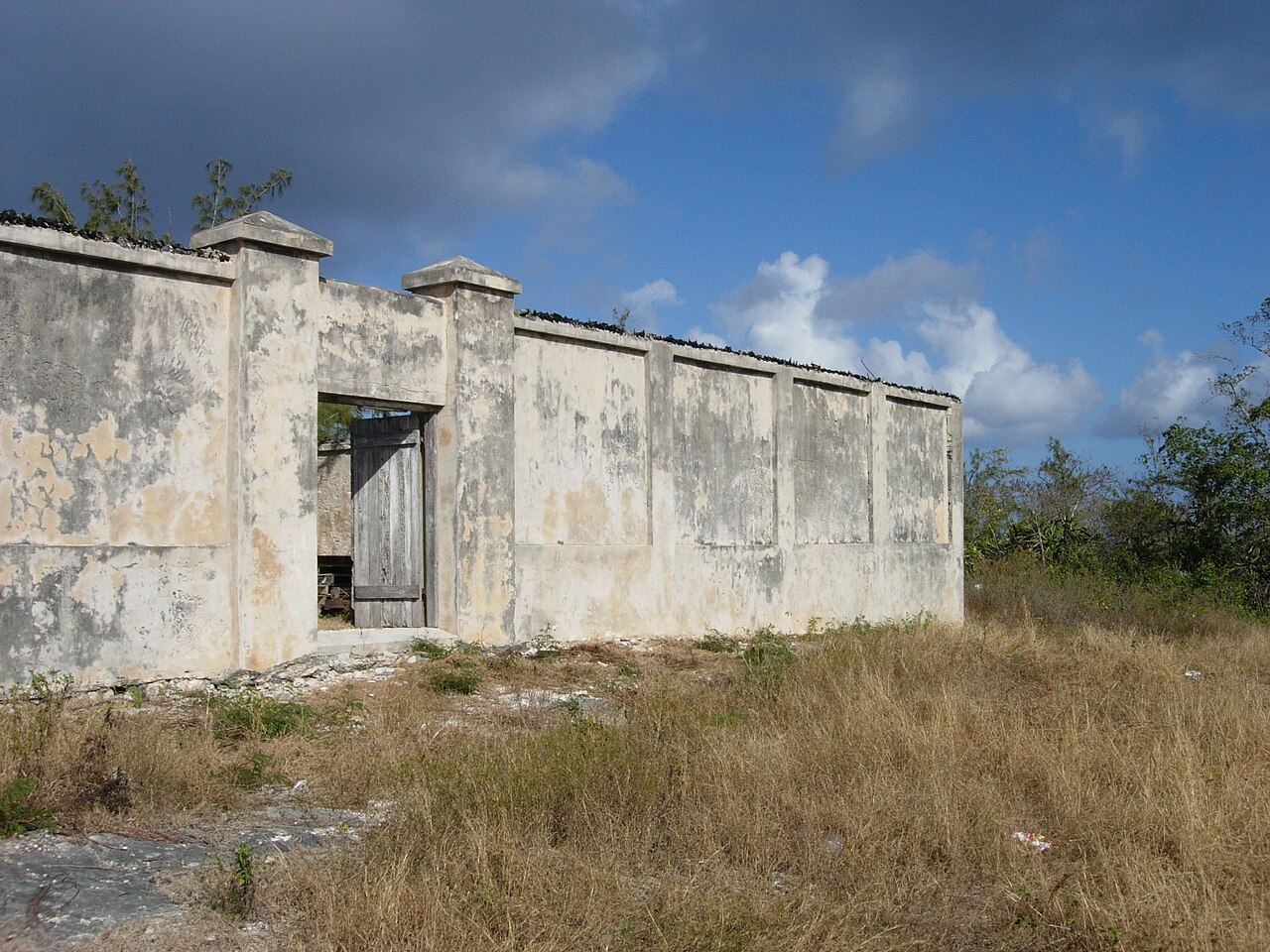


Geography and landscape
Inagua comprises the two principal islands: Great Inagua and Little Inagua. Great Inagua is the larger and inhabited island; it is the third largest island in the Bahamas, with an area often given as about 596 square miles (1,544 km²). The island runs roughly 55 × 19 miles (90 × 30 km) and lies approximately 55 miles (90 km) from the eastern tip of Cuba. Topography is low and gently rolling, with the highest point near East Hill at about 108 ft (33 m). Many interior basins form shallow lakes and marshes, the largest of which is the long Lake Windsor (also called Lake Rosa), which occupies a significant portion of the interior basin.
People, settlements and economy
Human settlement on Great Inagua is limited. The principal settlement and administrative centre is Matthew Town, which serves as the island’s only significant harbour and local service hub. The permanent population has traditionally been small — census figures reported a population of 969 in the 2000 national count — and residents are concentrated in a few villages and around the harbour: population and historical census details are recorded in national statistics resources census. The local economy is based on a mix of activities including fishing, small-scale agriculture, tourism, and a large commercial salt operation that has provided employment for many islanders over recent decades.
Ecology and wildlife
Great Inagua is internationally important for birdlife. Much of the island’s interior is protected as a bird sanctuary, and the shallow lakes and salt flats support large numbers of wading birds and waterfowl. One of the island’s most famous natural features is its colony of West Indian Flamingoes; counts over time have reported tens of thousands of individuals, making it one of the most significant flamingo rookeries in the region.
- Resident and migratory birds include the West Indian Flamingo, Bahama Parrot, Bahama woodstar hummingbird and several species of herons and egrets.
- Other commonly observed species: brown pelicans, roseate spoonbills, cormorants and various shorebirds.
History, conservation and notable facts
Human use of Inagua has long been influenced by its geography — shallow lagoons and abundant salt pans encouraged salt extraction, while the remoteness limited large-scale settlement. Conservation efforts center on protecting important bird habitat and balancing economic activity with ecological values. Visitors to the islands are drawn primarily by wildlife watching, especially the flamingoes, as well as by the island’s quiet beaches and local culture. For further geographic and administrative information see mapped references and district descriptions: area and maps and regional context with nearby Cuba: proximity to Cuba.
Inagua remains notable for the contrast between its wide, low-lying natural spaces and its small human communities, offering a distinctive example of Caribbean island ecology and a focal point for bird conservation in the Bahamas.
Related articles
Author
AlegsaOnline.com Inagua (Bahamas): islands, wildlife and human settlement Leandro Alegsa
URL: https://en.alegsaonline.com/art/46972