
Antivenom: production, use, and clinical considerations
Antivenom are antibody preparations used to neutralize venom after bites or stings. This article describes how antivenoms are made, how they work, clinical use, risks, history, and notable examples.
Overview
Antivenom (also called antivenin or antivenene) is a biological medicine composed of antibodies that neutralize the toxic components of animal venoms. Venoms are specialized toxins delivered by animals such as snakes, spiders, scorpions and some marine species; they act locally and systemically to damage tissue, disrupt blood clotting, or interfere with the nervous system. Effective antivenom binds venom molecules in the bloodstream and tissues, reducing or preventing the progression of envenoming.
Image gallery
3 Images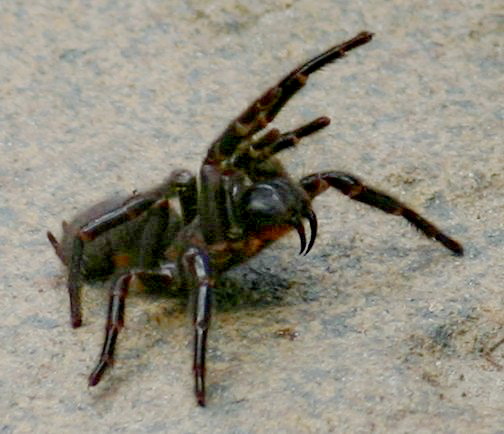


How antivenoms are produced
Most antivenoms are manufactured by immunizing large mammals—commonly horses, but sometimes sheep or goats—with gradually increasing, non-lethal amounts of venom from one or more species. The animal develops an immune response and produces antibodies specific to venom proteins. Blood is collected, and the antibody-containing fraction is separated and further purified. Processing methods yield whole immunoglobulin (IgG), F(ab')2 fragments, or smaller Fab fragments; purification reduces other proteins and lowers the risk of adverse immune reactions.
Production choices influence specificity and safety: a monovalent antivenom targets a single species' venom, while a polyvalent product covers several species within a region. Manufacturers must source venoms carefully, validate potency, and follow quality and cold-chain standards for distribution.
Clinical use and administration
Antivenom is the primary specific treatment for moderate to severe envenoming. It is usually administered intravenously in a hospital setting and may be given as a single dose or repeated based on clinical response and laboratory measures. Early administration is generally associated with better outcomes because antivenom neutralizes circulating venom before it causes irreversible tissue damage.
- Indications include progressive neurotoxicity, coagulopathy, shock, severe local tissue necrosis, and other systemic signs of envenoming.
- Supportive care—airway management, fluids, pain control, wound care and monitoring—is provided alongside antivenom.
Risks, limitations and availability
Because antivenoms are derived from animal serum, recipients can develop immediate hypersensitivity (anaphylaxis) or delayed immune reactions (serum sickness). Modern purification reduces but does not eliminate these risks, so treatment is given where allergic reactions can be managed. Antivenom effectiveness depends on matching the product to the offending species or group; geographic variation in venom composition means an antivenom made for one region may be less effective elsewhere.
Availability is a major global health issue: antivenoms are essential in many tropical and rural areas but can be scarce or costly. International health agencies recognize snakebite envenoming as a neglected condition and encourage improved access, quality control, and local production where feasible.
History and notable examples
The concept of passive immunization using animal serum was developed in the late 19th century. Early pioneers adapted serotherapy techniques—originally applied to bacterial toxins—to neutralize animal venoms. Practical milestones include the development of antivenoms for cobra and other dangerous snakes, and later for medically important spiders and scorpions. Today, region-specific antivenoms are produced for species such as African and Asian cobras, North American rattlesnakes, Australian funnel-web spiders and various widow spiders.
For more general background on venom biology see venom; for information about cobras see cobra; and for basic descriptions of injection techniques used in animal immunization see hypodermic injection.
Key distinctions
- Antivenom is specific: matching the antivenom to the venom increases effectiveness.
- Antibody format matters: whole IgG, F(ab')2 and Fab fragments differ in half-life and allergic potential.
- Antivenom is adjunctive to supportive care and is not a substitute for prompt medical assessment.
Related articles
Author
AlegsaOnline.com Antivenom: production, use, and clinical considerations Leandro Alegsa
URL: https://en.alegsaonline.com/art/4693