
Illuminated manuscript
A decorated handwritten book, where text and margins are embellished with painted miniatures, gold or silver leaf, and ornate initials; prominent in medieval Europe and continued as a luxury art form.
Overview
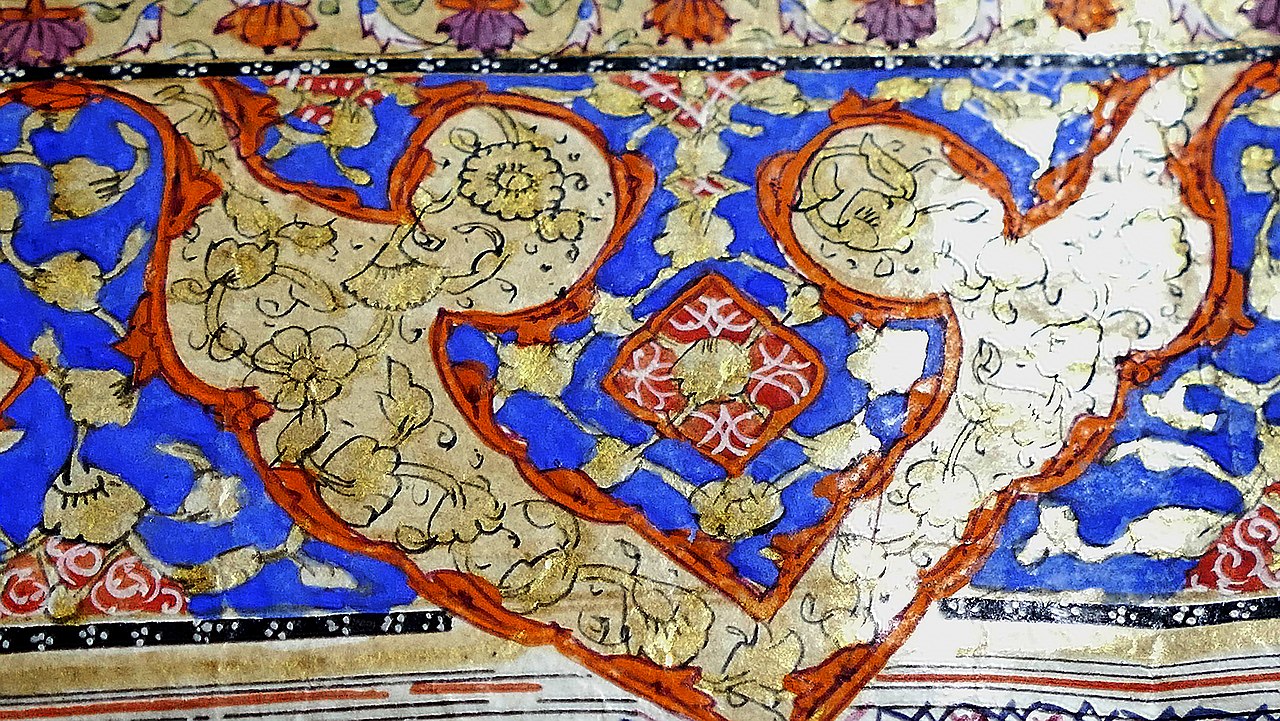
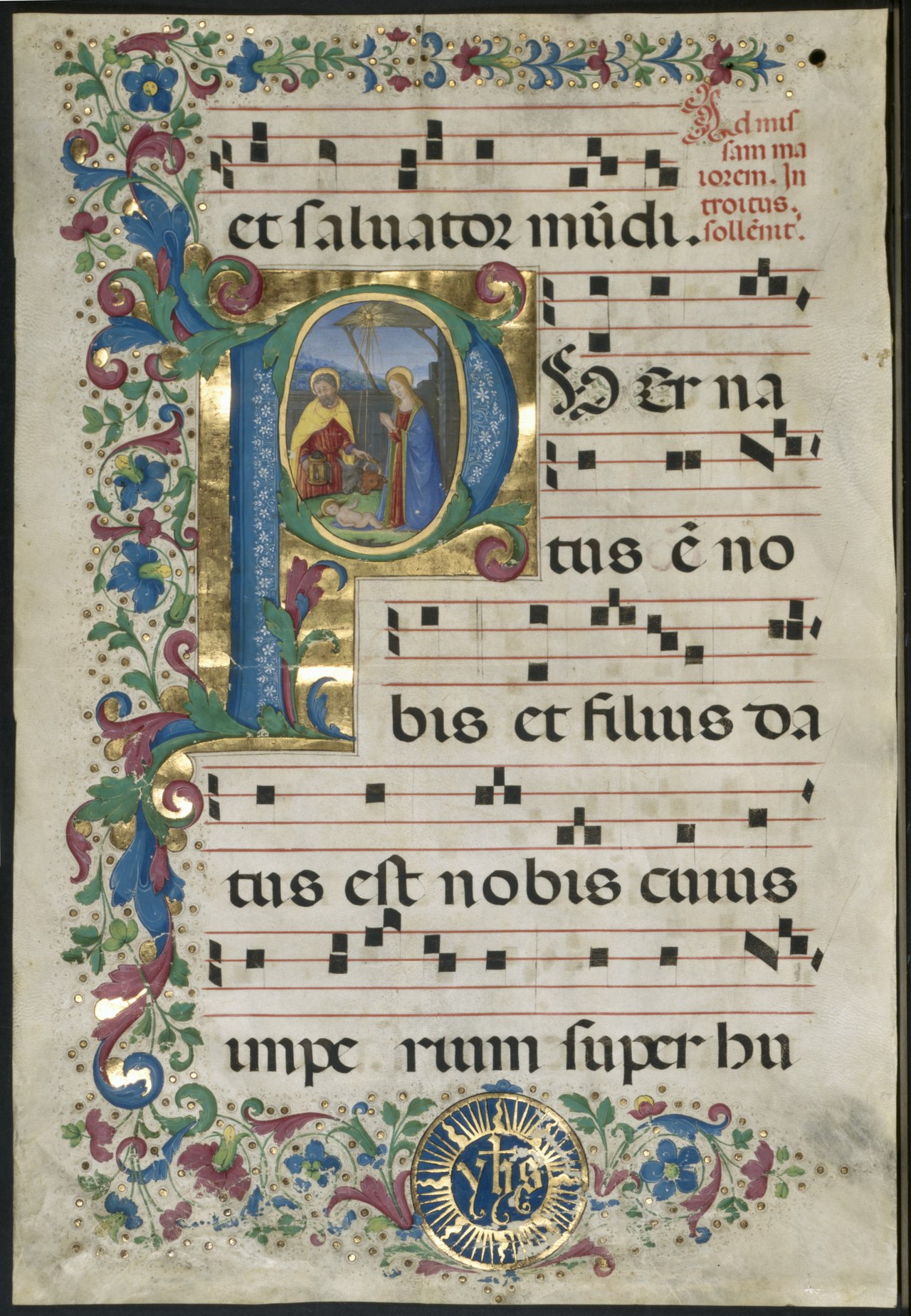
An illuminated manuscript is a handwritten book in which the text is enhanced with decorative painting, lavish initials, marginal ornament and miniature illustrations. The term "illuminated" traditionally refers to the use of gold or silver that reflects light, making pages appear to glow. These works are primarily associated with medieval Europe but similar practices existed elsewhere.
Image gallery
10 Images





Characteristics and common elements
Typical features include large decorated initials, ornamental borders, historiated miniatures (small narrative scenes), and full-page illustrations. Decoration ranged from simple colored initials to intricate compositions incorporating plant motifs, animals, figures, and geometric designs. Manuscripts vary from modest liturgical books to sumptuous presentation volumes commissioned by rulers or wealthy patrons.
Materials and techniques
Illuminators worked on animal-skin supports such as parchment or vellum, using iron-gall inks for script and pigments mixed with binders for color. Gold leaf or powdered gold was applied over a prepared ground to create luminous highlights. Common pigments included earths, azurite, and imported lapis-derived blues; some pigments were costly and contributed to a manuscript's prestige.
- Support: parchment, vellum
- Decoration: gold leaf, tempera pigments
- Tools: quills, brushes, burnishers
History and development
The practice developed from Late Antiquity through the Middle Ages. Monastic scriptoria produced many early examples, while later centuries saw specialized urban workshops and secular patrons. Distinct regional styles emerged—Insular, Carolingian, Romanesque, Gothic—and the craft continued into the Renaissance before printing and mechanically reproduced illustration altered book production.
Uses, examples and significance
Illuminated manuscripts served liturgical, devotional and administrative functions: Bibles, psalters, Books of Hours, legal codices and scientific treatises. Beyond utility, they were status symbols and vehicles for artistic innovation. Renowned examples are often cited as milestones of medieval art and are studied for their iconography, materials and cultural context. Modern scholars and conservators work to preserve these fragile objects and many collections are now available online.
For further background on manuscript studies and terminology see a general entry on manuscript practice and specific discussions of page layout and ornamentation at related resources such as initials and illumination techniques or regional surveys of medieval art in Europe and transitional works into the Renaissance. Digital reproductions and catalogues provide access to high-resolution examples for study and enjoyment.
Related articles
Author
AlegsaOnline.com Illuminated manuscript Leandro Alegsa
URL: https://en.alegsaonline.com/art/46744