
In Evil Hour (La mala hora)
A clear overview of Gabriel García Márquez's novel In Evil Hour (La mala hora): its themes, style, publication history, and its place in the author's development and Latin American fiction.
Overview
In Evil Hour is the English title of the novel originally published in Spanish as La mala hora. Written by Colombian writer Gabriel García Márquez, the work examines life in a small, unnamed provincial town beset by unrest when anonymous pamphlets begin to circulate. The pamphlets spark suspicion, recrimination and a breakdown of ordinary social relations. The phrase "la mala hora" — literally "the bad hour" — connote a period of crisis or moral disarray that suffuses the novel.
Image gallery
2 Images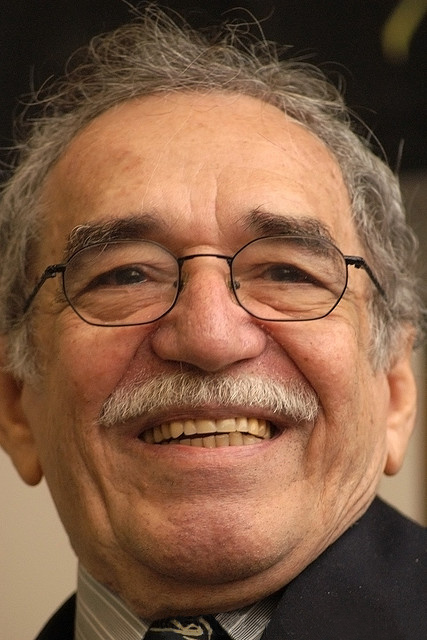

Themes and style
The novel treats recurring themes in García Márquez's work: communal violence, the corrosive effects of rumor, the fragility of authority and the everyday workings of power in rural Colombia. Stylistically it mixes elements of social realism with darkly comic touches and multiple perspectives rather than relying heavily on the overt magical realism associated with the author's later international breakthrough. The narrative disperses attention across townspeople rather than centering a single hero, producing a mosaic of reactions to fear and gossip.
Structure and notable features
Rather than a single linear plot, the book unfolds as interconnected episodes and vignettes that reveal how rumor and accusation alter private lives and public order. Key features include vivid descriptions of provincial life, morally ambiguous characters, and episodes that highlight the ways institutions — the church, local officials, paramilitary groups — respond to social anxiety. The novel balances irony and seriousness, and its concise chapters create a pace that mirrors the escalating tension in the community.
History and publication
La mala hora first appeared in Spanish in the early 1960s; an English edition titled In Evil Hour followed later and made the work available to anglophone readers. García Márquez spent periods of his life living abroad, including time in Paris, and his international experience shaped both his literary outlook and the reception of his books. While the author later became globally renowned and won the Nobel Prize in Literature, this novel is often seen as an important step in his maturation as a novelist and in the development of motifs he would return to in later works.
Significance and reception
Though it is not as stylistically flamboyant as some of García Márquez's better-known titles, the book is valued for its incisive social observation and for anticipating themes that would become central to his oeuvre. Critics and readers interested in Latin American fiction and the literary depiction of political and moral crises regard the novel as a compact, sharp study of how communities unravel under pressure. Its focus on rumor, censorship and collective culpability gives it ongoing relevance in discussions of literature and society.
Themes at a glance
- Rumor and anonymous accusation as forces of social change
- Small-town power structures and moral ambiguity
- Violence, fear and the breakdown of trust
- Early development of motifs later seen in García Márquez's major works
For readers approaching García Márquez for the first time, In Evil Hour offers a more grounded, politically attuned perspective than some of his more mythic novels. It remains a frequently studied and taught text for those examining the intersections of literature, politics and communal psychology in 20th-century Latin America.
Related articles
Author
AlegsaOnline.com In Evil Hour (La mala hora) Leandro Alegsa
URL: https://en.alegsaonline.com/art/46934
Sources
- biblio.com : In Evil Hour by Gabriel García Márquez