
Antimony triiodide (SbI3): properties, preparation, uses, and safety
Antimony triiodide (SbI3) is a molecular inorganic compound of antimony in the +3 oxidation state and iodide. This article covers its properties, structure, preparation, applications, and safe handling.
Overview
Antimony triiodide is an inorganic compound composed of antimony and iodine, with the formula SbI3. In this compound antimony is in the +3 oxidation state and is coordinated to three iodide ligands. The solid is typically a dark red to brown crystalline material and is classified among the trihalides of the pnictogen family. For basic reference data about the compound see compound data.
Image gallery
5 Images
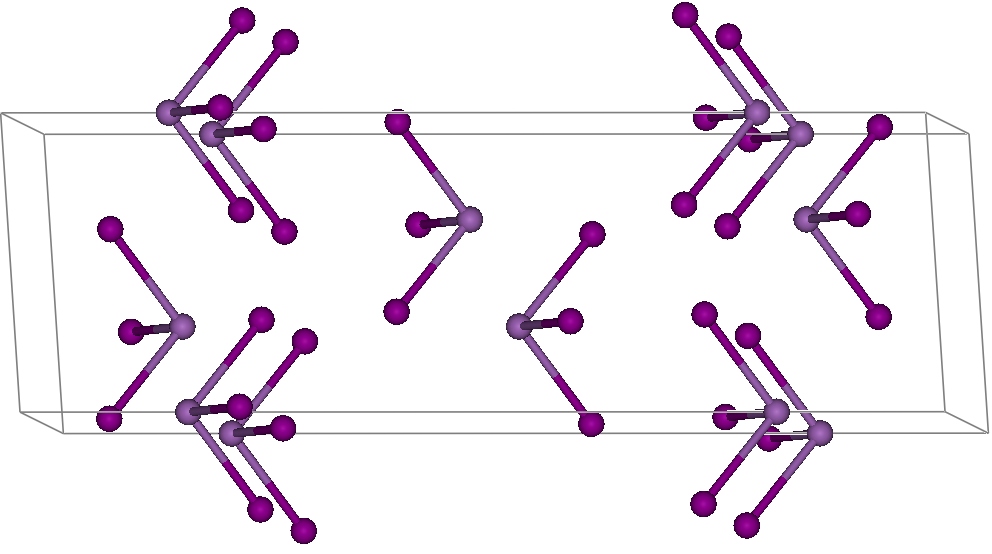


Structure and bonding
The molecular geometry around antimony in SbI3 is commonly described as trigonal pyramidal, reflecting three bonded iodide atoms and a stereochemically active lone pair on the Sb center. Bonding has substantial covalent character because iodide is a large, polarizable halide; as a result Sb–I interactions are different in character from the corresponding chlorides or bromides. For background on antimony chemistry consult general antimony information and for iodide-related properties see iodide resources.
Preparation and reactivity
SbI3 can be prepared by direct combination of the elements (antimony and iodine) under controlled conditions, or by halide-exchange methods starting from other antimony halides. It is known to react with Lewis bases to form adducts and can be sensitive to hydrolysis, gradually transforming to oxyiodide species in the presence of water. Typical reactivity notes and synthetic procedures are summarized in specialist sources and reviews on halide chemistry reactivity references.
Uses and applications
The compound is used mainly as a reagent in inorganic and organometallic synthesis and as a precursor to other antimony-containing materials. It sees niche use in laboratory research, for example in studies of coordination chemistry and in materials science investigations where heavy halide ligands influence electronic or optical properties. It is not a common commercial chemical in large-scale manufacturing but is valuable in specialized applications and academic work.
Safety and handling
SbI3 should be treated as a hazardous material: antimony compounds are toxic and iodine-containing substances can release irritating vapors. Appropriate precautions include working in a fume hood, using gloves and eye protection, and avoiding ingestion or inhalation. Waste and spill procedures follow standard practices for toxic inorganic halides. For formal safety data consult certified safety documentation safety information.
Notable distinctions
Compared with lighter antimony trihalides (SbCl3, SbBr3), SbI3 exhibits greater covalent character and different physical properties such as color, volatility, and solubility patterns because of the larger iodide anion. The +3 oxidation state of antimony in this compound is typical for its trihalide series; redox chemistry that alters the oxidation state leads to distinct classes of antimony compounds with different reactivity and applications.
Tags
Related articles
Author
AlegsaOnline.com Antimony triiodide (SbI3): properties, preparation, uses, and safety Leandro Alegsa
URL: https://en.alegsaonline.com/art/4667