
Arsenic trioxide (As2O3): properties, uses, history and safety
Arsenic trioxide (As2O3), also called white arsenic, is an industrial and medicinal compound containing arsenic in the +3 oxidation state. It is highly toxic and environmentally significant.
Arsenic trioxide (chemical formula As2O3), sometimes called white arsenic or arsenious oxide, is an inorganic compound in which arsenic occurs in the +3 oxidation state. It is a colorless to white crystalline solid that has been known historically for both its toxic effects and its applications in industry and medicine. For a technical summary see basic data.
Image gallery
6 Images


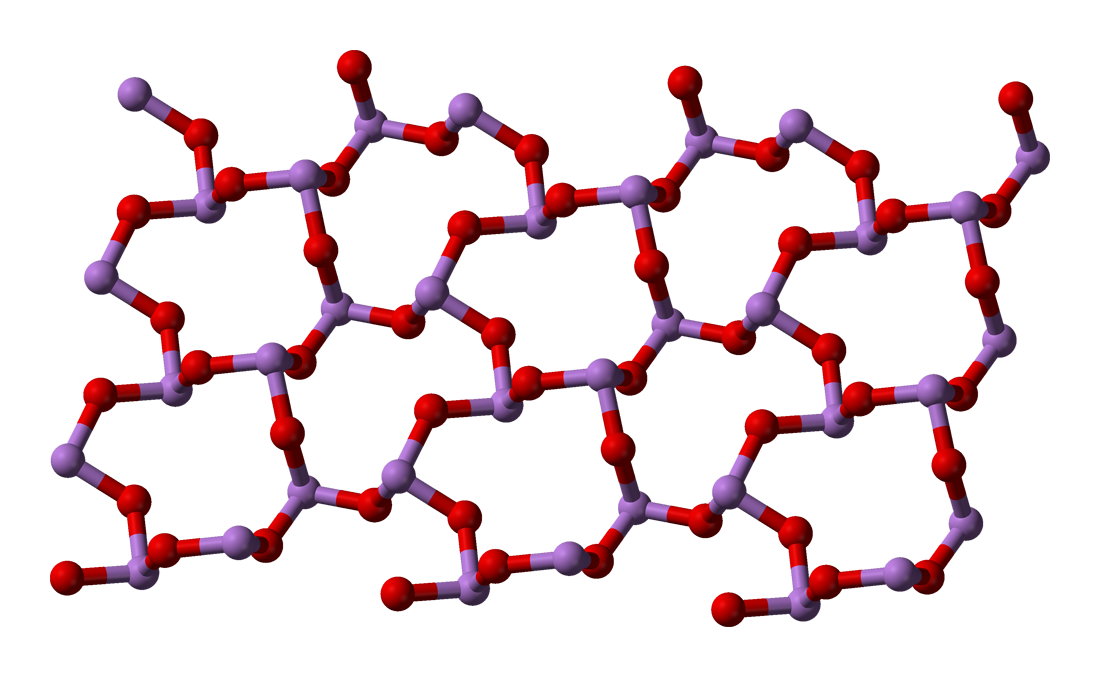
Physical and chemical characteristics
As2O3 is typically encountered as a powder or glassy solid that can sublimate on heating. It dissolves in water to give arsenious acid and reacts with bases to form arsenite salts, reflecting its behaviour as a somewhat amphoteric oxide. Chemically it can be oxidized to arsenic(V) compounds and reduced to elemental arsenic. More on these reactions is available at reaction overview.
Production and historical notes
Arsenic trioxide is produced as a byproduct of smelting arsenic-bearing ores and from the processing of certain minerals. In antiquity and into the 19th century it was used as a pigment and as a deliberate poison; its reputation as a "white arsenic" made it notorious in forensic history. Historical context and sources can be consulted via historical reference.
Uses and importance
- Industrial: precursor or intermediate in manufacturing of other arsenic compounds, glass and semiconductor processes.
- Wood preservation and pesticides: historically significant, though many such uses are now restricted because of toxicity.
- Medical: arsenic trioxide is an approved chemotherapy agent for certain forms of acute promyelocytic leukemia (APL), where it induces remission in some patients; clinical details available at medical source.
Toxicity, environment and safety
Arsenic trioxide is highly toxic by ingestion, inhalation or prolonged skin exposure and is classified as a carcinogen. Chronic exposure to arsenic compounds is associated with skin lesions, internal cancers and systemic illness. Contamination of groundwater with inorganic arsenic is a major public-health concern in several regions worldwide. Guidance on handling and remediation practices can be found at safety information.
Because of its dual role as a useful industrial reagent and a potent toxicant, As2O3 is a substance subject to regulation and careful control in laboratory, medical and environmental settings. Distinctions between the trivalent arsenic found in As2O3 and pentavalent arsenic compounds are important for toxicity, remediation and treatment strategies.
Questions and answers
Q: What is arsenic trioxide?
A: Arsenic trioxide is a chemical compound with the chemical formula As2O3.
Q: What are the other names for arsenic trioxide?
A: Arsenic trioxide is also known as white arsenic, arsenic(III) oxide, or arsenious oxide.
Q: What are the ions present in arsenic trioxide?
A: Arsenic trioxide consists of arsenic and oxide ions.
Q: What is the oxidation state of arsenic in arsenic trioxide?
A: The oxidation state of arsenic in arsenic trioxide is +3.
Q: Is arsenic trioxide poisonous?
A: Yes, arsenic trioxide is poisonous and can cause severe health problems.
Q: What is the common use of arsenic trioxide?
A: Arsenic trioxide has been used as a pesticide and wood preservative, but also has been used in medicine to treat certain types of cancer.
Q: Can arsenic trioxide be found in nature?
A: Yes, arsenic trioxide can be found in nature, particularly in areas with high levels of arsenic in the soil and water.
Tags
Related articles
Author
AlegsaOnline.com Arsenic trioxide (As2O3): properties, uses, history and safety Leandro Alegsa
URL: https://en.alegsaonline.com/art/6195