
Ice skate: design, history, types, and uses
Ice skates are specialized boots with metal blades for moving on ice. This article explains their parts, varieties (figure, hockey, speed), history from bone skates to modern designs, and common uses and care.
Overview
An ice skate is a footwear device that allows a person to glide across ice by means of a rigid sole and a metal blade attached to the bottom. At its core an ice skate combines a supportive boot and a sharpened blade, enabling controlled movement on frozen surfaces for recreation, transport, or athletic competition. Skating techniques exploit the thin blade edges to push, turn and stop while reducing friction compared with walking on ice.
Image gallery
10 Images




Main parts and characteristics
Modern skates consist of two principal components: the upper footwear and the running blade. The boot may be made of leather, synthetic materials or molded plastics and is designed to offer ankle support, fit and protection. The blade is usually forged or heat-treated steel, hollow-ground to create two distinct edges (inside and outside) with a concave groove between them. Some blades feature a serrated toe pick on the front, used for jumps and certain maneuvers in figure skating.
Types of ice skates
- Figure skates: Stiffer boots with toe picks and a slightly curved blade for spinning, jumping and precise footwork.
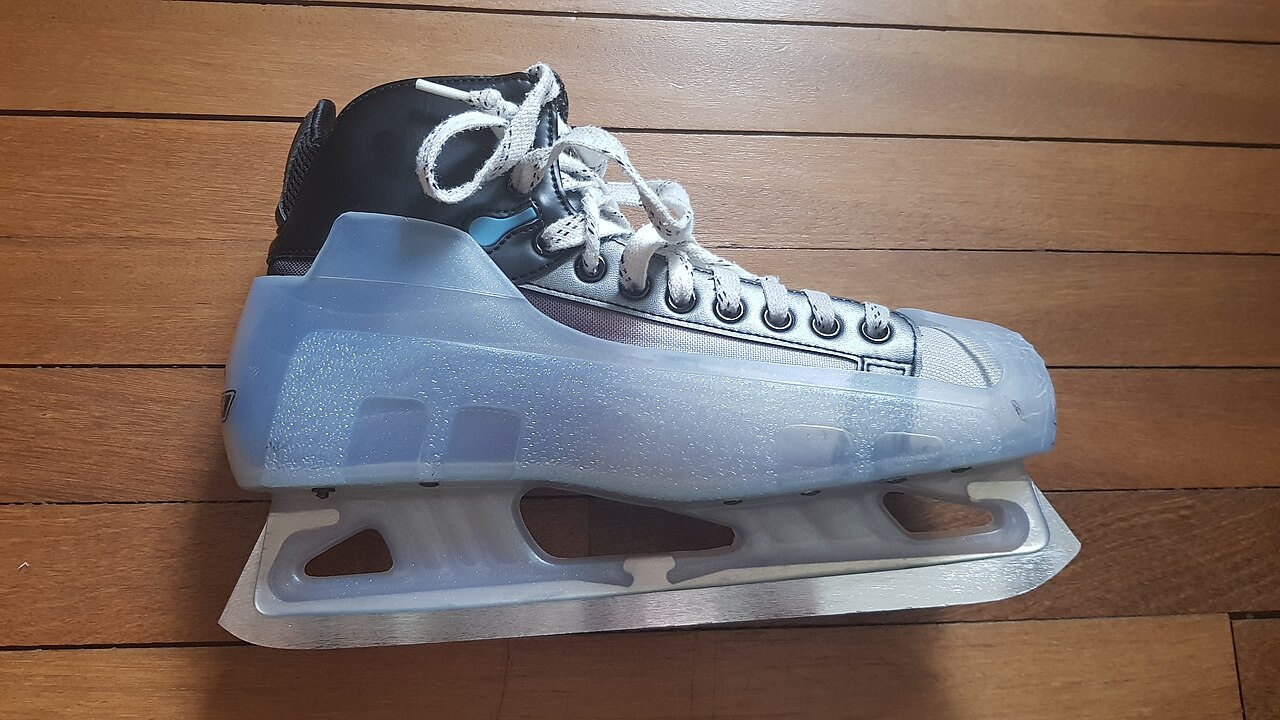
- Hockey skates: More compact, lower-cut boots for rapid directional changes and protection; blades are shorter and more curved for agility.
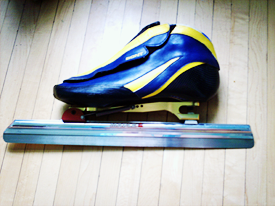
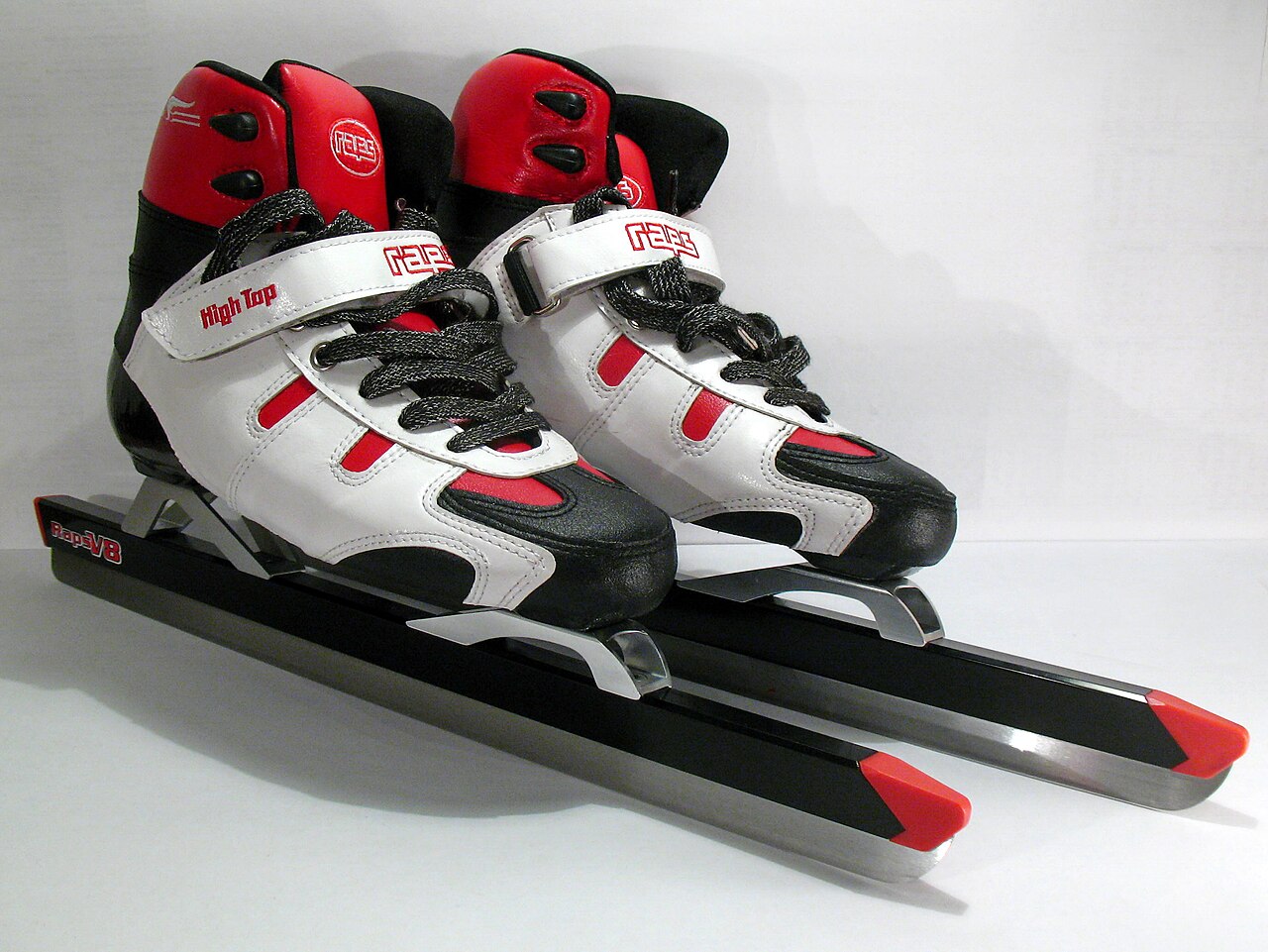
- Speed skates: Long, flat blades for maximum glide and straight-line speed; some designs use a hinged (clap) mechanism to improve stride efficiency.
- Touring and recreational skates: Varied designs focused on comfort and warmth for casual skating on rinks or natural ice.
Origins and development
Evidence suggests people in northern Europe used skates for mobility over frozen waterways thousands of years ago. Early examples were often made from animal bone or wood and strapped to the foot, allowing winter travel and hunting. Over centuries iron and then steel blades replaced organic materials. Innovations in blade shaping and boot construction during the 19th and 20th centuries produced the specialized forms used today. Notable advances include the addition of toe picks and the refinement of hollow-ground edges, as well as late-20th-century developments to improve speed and stability.
Uses, sports and cultural importance
Ice skates are central to several popular sports: figure skating, ice hockey, speed skating and short-track racing are prominent examples, each with its own rules and equipment preferences. Recreational skating on rinks remains a widespread leisure activity in many countries, and historically skating served as a means of winter transport. International competitions, including the Winter Olympic Games, have elevated skating disciplines to high visibility and cultural significance.
Care, safety and notable distinctions
Maintaining skates involves regular sharpening to preserve the blade's edges, drying and rust prevention, and checking boot fit and fastenings for safety. Different skates are optimized for distinct motions: figure blades emphasize control for jumps and spins, hockey blades prioritize agility, and speed blades maximize glide. Beginners commonly learn basic balance, forward stride and stopping before advancing to specialized techniques. For further practical guidance on choosing gear or learning to skate, see resources on recreation and sport.
Related articles
Author
AlegsaOnline.com Ice skate: design, history, types, and uses Leandro Alegsa
URL: https://en.alegsaonline.com/art/46436