
Blade: parts, materials, history and uses
An overview of blades as cutting edges in tools, weapons and plants: anatomy, common types, materials and manufacture, use and care, safety and legal considerations.
A blade is the thin, typically sharpened portion of a tool or weapon designed to cut, slice, pierce or separate materials. The term applies to kitchen knives, razors, industrial cutting tools and edged weapons, but it also describes the flat, leaflike part of grass and many plants. Blades vary widely in size, shape and finish to suit their purpose and are normally paired with handles, sockets or mounts to be used safely and effectively.
Image gallery
10 Images






Typical parts and common types
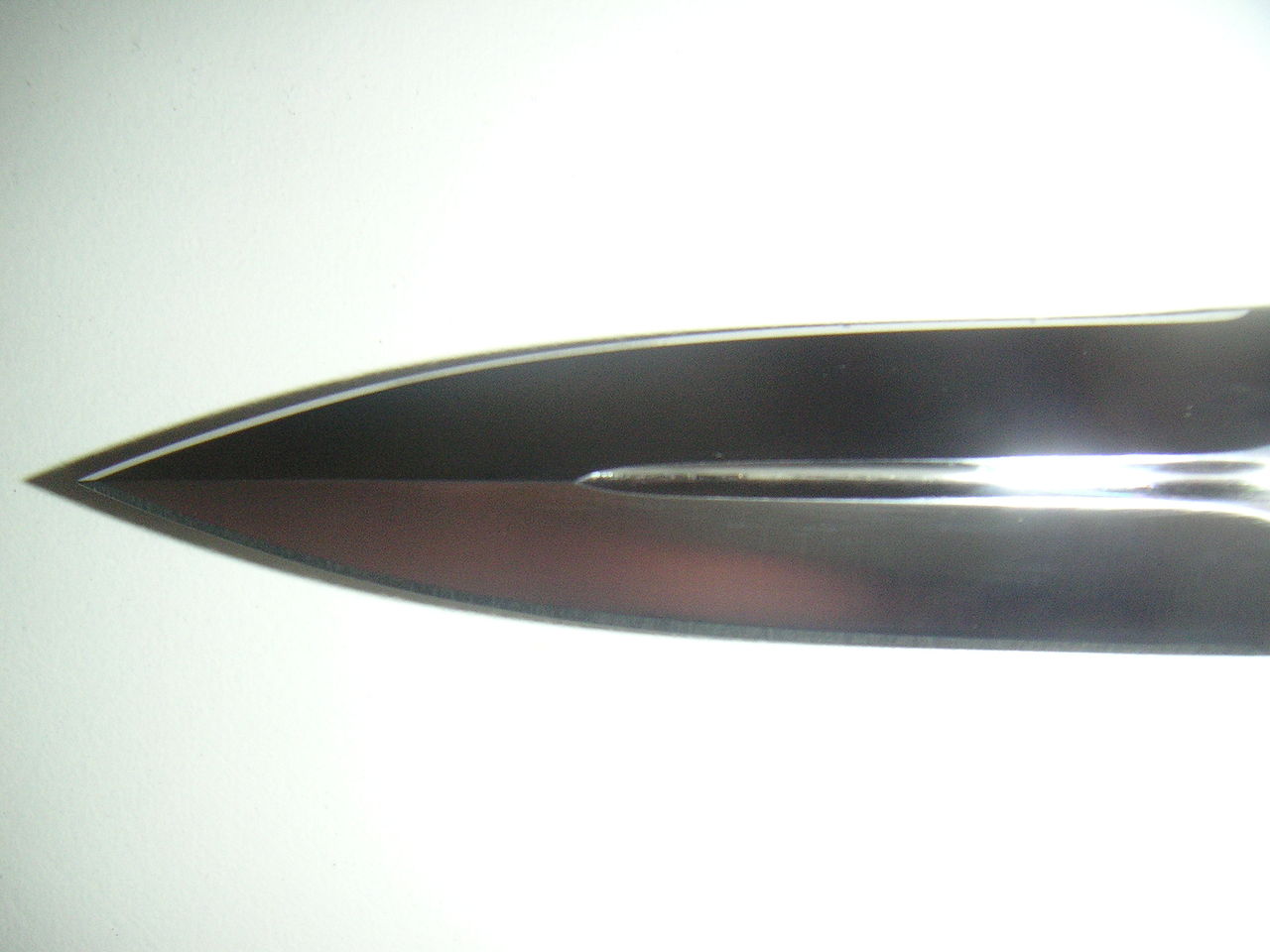
Most manufactured blades share a basic anatomy: the edge (the cutting surface), the spine (the thicker back edge opposite the cutting edge), the point, bevels that form the cutting profile, and the tang or mount that links the blade to a handle. Other features can include fullers, ricassos and serrations depending on function. Common blade forms include:
- Kitchen and utility knives (paring, chef's knife, slicers) — designed for food preparation and general cutting.
- Cutting tools (scissors, chisels, planes, box cutters) — optimized for repeated or specialized industrial tasks.
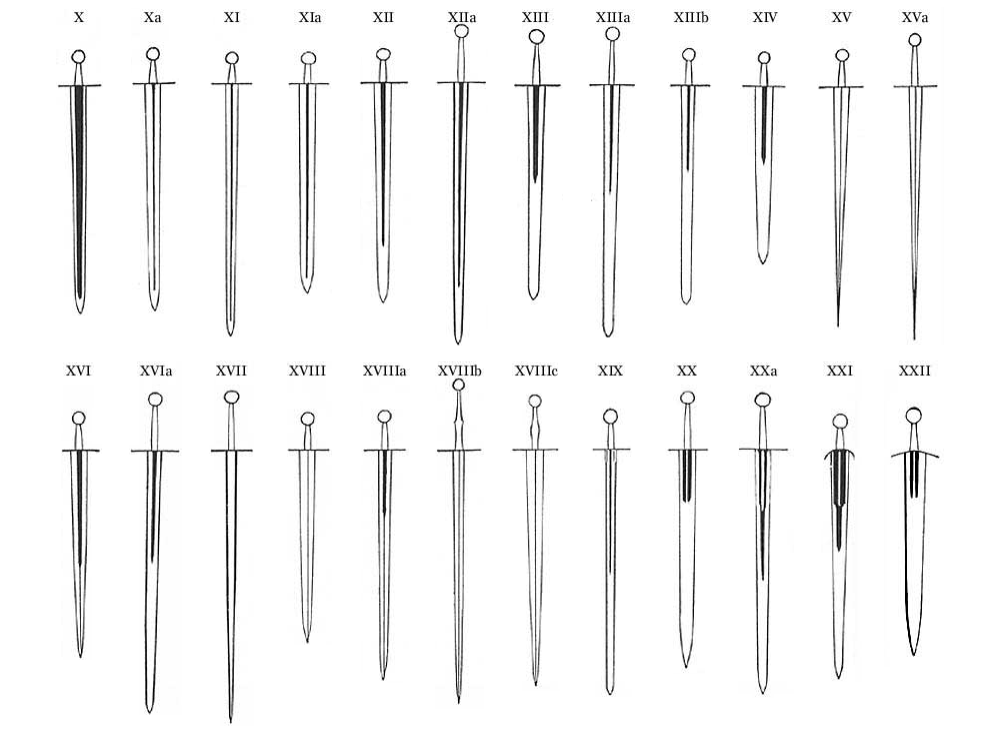
- Edged weapons (daggers, swords, bayonets) — designed for combat or ceremonial use.
- Medical blades (scalpels) and precision blades used in crafts and surgery.
For practical classifications and examples consult general resources on tools, edged weapons, everyday knives and historical swords.
Materials and manufacture
Bladed implements are among humanity's oldest technologies. Stone blades were followed by metals as metallurgy advanced: copper and bronze, then iron and steel. Modern blades are commonly made from carbon steels, stainless steels, powdered-metal alloys or ceramics. Each material involves tradeoffs in hardness, toughness, corrosion resistance and ease of sharpening. Heat treatment, including quenching and tempering for steel, is a critical part of achieving a useful balance between hardness and brittleness.
Edge geometry and finish
Edge geometry—whether a single bevel, double bevel, hollow grind, convex grind or serrated edge—determines cutting performance and durability. A thinner edge slices more easily but may chip or dull faster; a more acute angle favors sharpness, a blunter angle favors strength. Surface finish and polishing also affect cutting friction and food release for culinary blades.
Uses, maintenance and safety
Blades serve domestic, culinary, industrial, medical and martial roles. Proper care includes regular honing to maintain edge alignment, periodic sharpening to restore the cutting angle, and protection from corrosion or chipping. Safe practices include correct handling, appropriate storage (sheaths, racks, blade guards), using the right blade for the task and keeping blades away from children. Many jurisdictions regulate the carrying, sale or manufacture of certain edged weapons; users should consult local laws and guidance for specifics.
Botanical usage and cultural notes
Outside tools and weapons, "blade" commonly refers to the narrow, flat part of a leaf, especially in grasses; this botanical usage appears in gardening and ecological contexts. Cultural attitudes toward blades vary widely: some blades are regarded as craft objects or symbols, others as regulated items. For basic introductions and further study see general guides on blade design, care and history and resources about grass and plant morphology such as grass blades.
Readers seeking practical instruction can consult manuals and reputable online guides; for historical or technical scholarship, academic and museum publications provide deeper treatment. For an overview of tools, weapons, knife types, and historical swords, see the linked resources on tools, weapons, knives, swords and botanical references on plant blades.
Tags
Related articles
Author
AlegsaOnline.com Blade: parts, materials, history and uses Leandro Alegsa
URL: https://en.alegsaonline.com/art/12045