
Iceland national football team
The men's national football team of Iceland, noted for a rapid rise in the 2010s, memorable tournament performances and a passionate fan culture centered on the 'Viking clap'.
Overview
The Iceland national football team is the representative men's international football side for Iceland. Organized by the Football Association of Iceland, the team competes in UEFA and FIFA competitions. In the 2010s Iceland moved from relative obscurity to regular presence in major tournaments, becoming known internationally for disciplined defending, set-piece strength and intense supporter culture.
Image gallery
6 Images
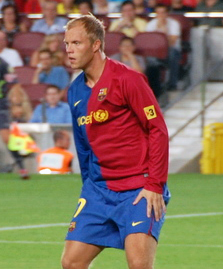


History and development
Iceland played its first official matches in the early 20th century and for many decades remained a minor side in European football. A sustained investment in coaching education, all-weather indoor pitches and youth development lifted standards from the 1990s onward. The national team's most prominent era began in the 2010s, when it qualified for the UEFA European Championship and the FIFA World Cup for the first time in its history, surprising larger football nations along the way.
Style, squad and infrastructure
The Icelandic side is often characterized by organization, physical fitness and effective use of set pieces rather than reliance on individual flair. Many players have professional careers in a range of European leagues. At home, the team trains and plays many matches at Laugardalsvöllur in Reykjavík and benefits from a nationwide network of artificial turf and indoor facilities that mitigate the challenges of a cold climate.
Supporters and cultural impact
Supporters have become a high-profile element of Iceland's football identity. The crowd-led "Viking clap" and the affectionate nickname "Strákarnir okkar" ("Our Boys") have been widely reported during major tournaments. Internationally, Iceland's tournament performances were celebrated as a triumph of collective effort and coaching over greater resources.
Notable achievements and distinctions
- Qualification for UEFA European Championship, with a deep run that captured global attention.
- Qualification for the FIFA World Cup, making Iceland one of the smallest sovereign states by population to reach the finals.
- Memorable match results that included upsets and draws against traditional football powers, reinforcing the team's reputation for resilience.
Today the Iceland national team remains an example often cited in discussions about long-term investment in grassroots sport, coaching, and infrastructure leading to outsized international success.
Related articles
Author
AlegsaOnline.com Iceland national football team Leandro Alegsa
URL: https://en.alegsaonline.com/art/46448
Sources
- fifa.com : "The FIFA/Coca-Cola World Ranking"
- eloratings.net : "World Football Elo Ratings"
- rsssf.com : "Faroe Islands – List of International Matches"
- rsssf.com : "International matches of Iceland"
- bbc.co.uk : "Iceland 0-0 Croatia"
- fourfourtwo.com : "FIFA World Cup Play-Off: Croatia v Iceland"
- theguardian.com : "England 1−2 Iceland: Euro 2016 − as it happened"
- theguardian.com : "France 5−2 Iceland: Euro 2016 quarter-final − as it happened"