
Ice sledge hockey (sled hockey / Para ice hockey)
A fast, full-contact Paralympic sport adapted for athletes with lower-body impairments. Players sit on sledges and use two sticks to propel, pass and shoot on an ice rink.
Overview
Ice sledge hockey is an adapted form of ice hockey that enables athletes with lower-body physical impairments to compete on the ice. It is commonly called sled hockey in the United States and is also referred to as Para ice hockey in international competition. The game preserves the core objectives of ice hockey—scoring goals and defending territory—while using equipment and techniques designed for seated players. sled hockey is often played by people with lower-limb paralysis, amputations, or similar impairments, though eligibility and team composition vary by event.
Image gallery
8 Images




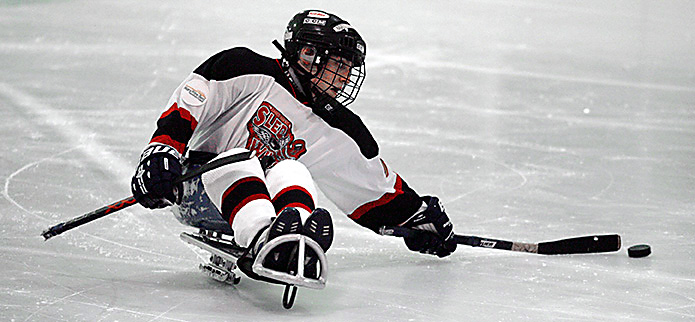

Equipment and how it is played
Players sit on a rigid sledge mounted atop two skate blades and use a pair of shortened sticks. Each stick has a blade at one end for puck handling and a metal pick at the other for propulsion. Standard protective gear—helments, pads, gloves, and face shields—is worn. Teams typically play with six players on the ice (including a goaltender), and many rules mirror stand-up ice hockey: offsides, icing, penalties and power plays.
Key equipment
- Sledge (frame, seat, and dual blades)
- Two short sticks with picks and blades
- Skating protective equipment and goalie-specific adaptations
History and development
Ice sledge hockey was developed in Sweden during the 1960s at rehabilitation centers as a means of recreation and physical therapy. Over subsequent decades it spread through Europe, North America and Asia, becoming more organized with clubs, national teams and international competitions. The sport was added to the Winter Paralympics in 1994 and has since been governed and promoted through the International Paralympic Committee and national paralympic bodies. The international name Para ice hockey was adopted to align with other Paralympic sport branding.
Competitions and importance
Major events include the Paralympic Winter Games, World Championships and regional tournaments. National leagues and community clubs provide grassroots opportunities. The sport is valued for its competitive intensity, rehabilitation benefits, and for promoting inclusion and athletic development among people with disabilities.
Distinctive features and notable facts
Although players are seated, the game is fast and physical and requires significant upper-body strength, balance and puck skills. Propulsion with the stick-mounted picks, tight maneuvering on dual blades, and the combination of passing and body contact create a unique blend of skill and strategy distinct from stand-up hockey. Female participation and development programs have grown alongside the traditionally male-dominated international field, reflecting ongoing efforts to broaden access.
Related articles
Author
AlegsaOnline.com Ice sledge hockey (sled hockey / Para ice hockey) Leandro Alegsa
URL: https://en.alegsaonline.com/art/46438