
I Love Lucy
American television sitcom (1951–1957) starring Lucille Ball and Desi Arnaz; pioneering filmed multi-camera production, enduring cultural influence and worldwide syndication.
Overview
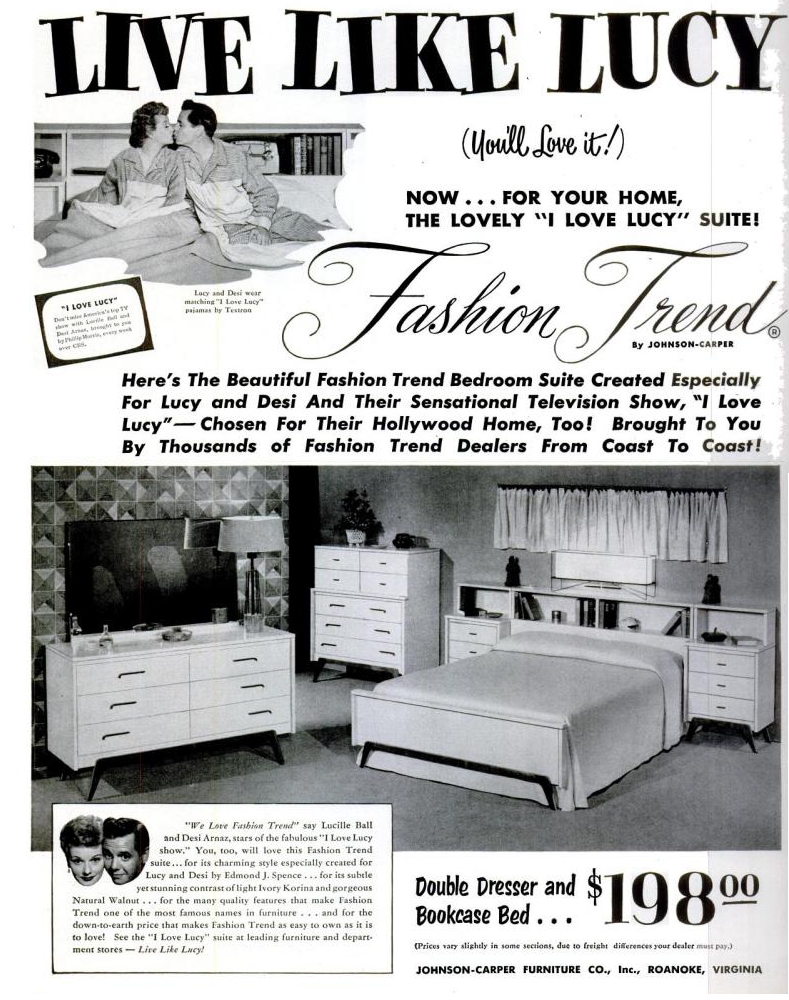
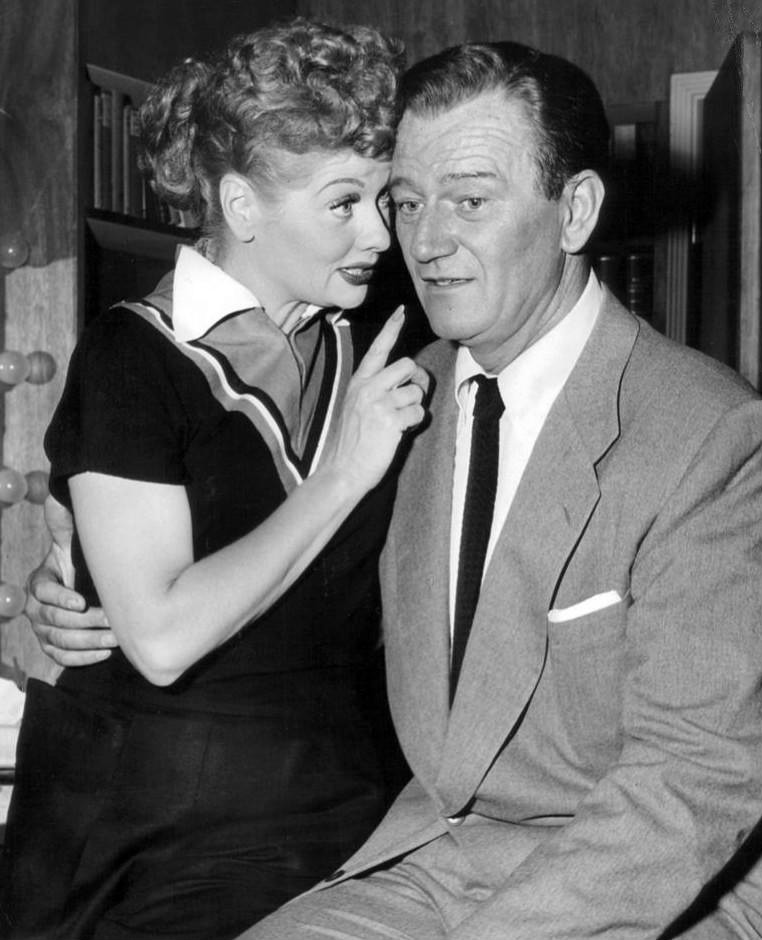
I Love Lucy is an American television sitcom that originally aired on CBS from October 1951 to May 1957, with subsequent hour-long specials produced through 1960. Starring Lucille Ball and Desi Arnaz with Vivian Vance and William Frawley in the principal supporting roles, the series follows Lucy Ricardo and her husband Ricky, a nightclub bandleader, together with their neighbors and friends Fred and Ethel Mertz. Presented in black-and-white, the show combined domestic situations with show-business settings and became one of the most influential comedy programs in television history.
Image gallery
10 Images




Cast and characters
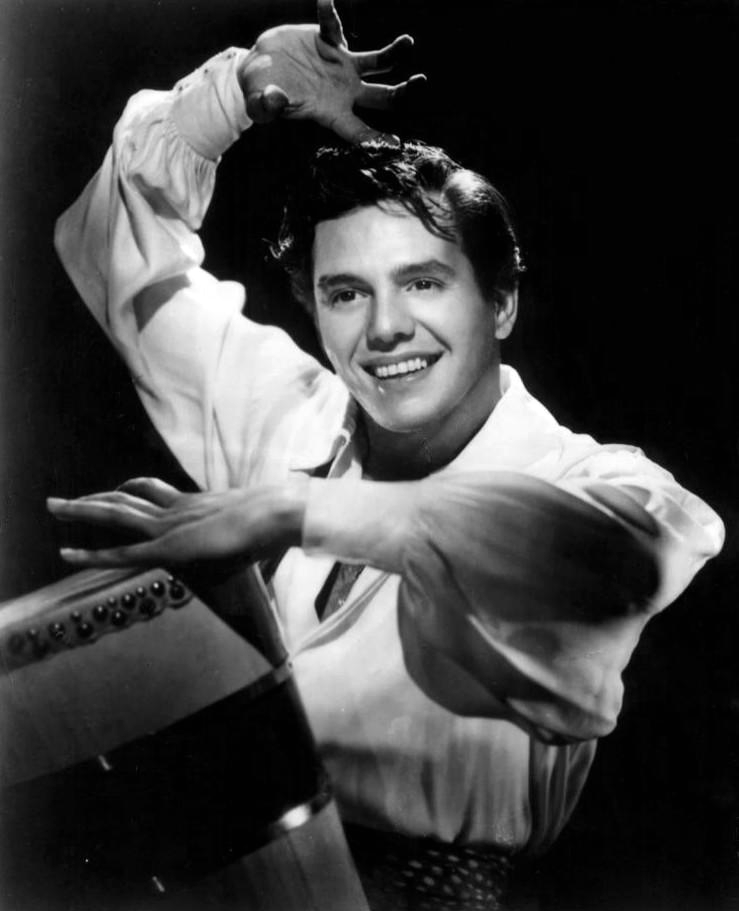
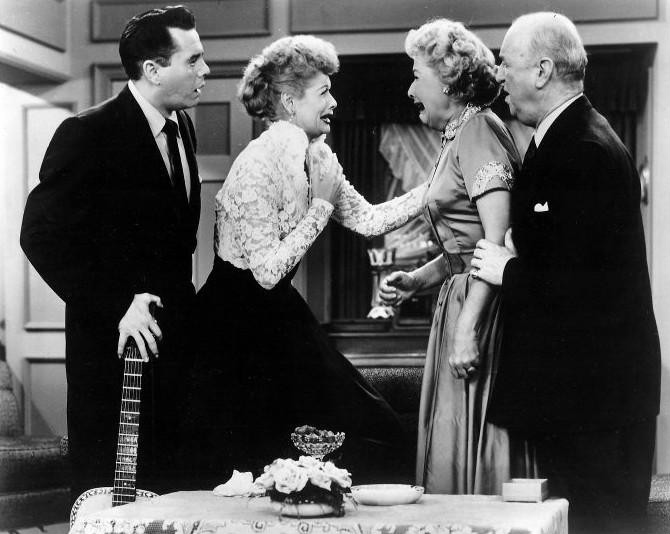
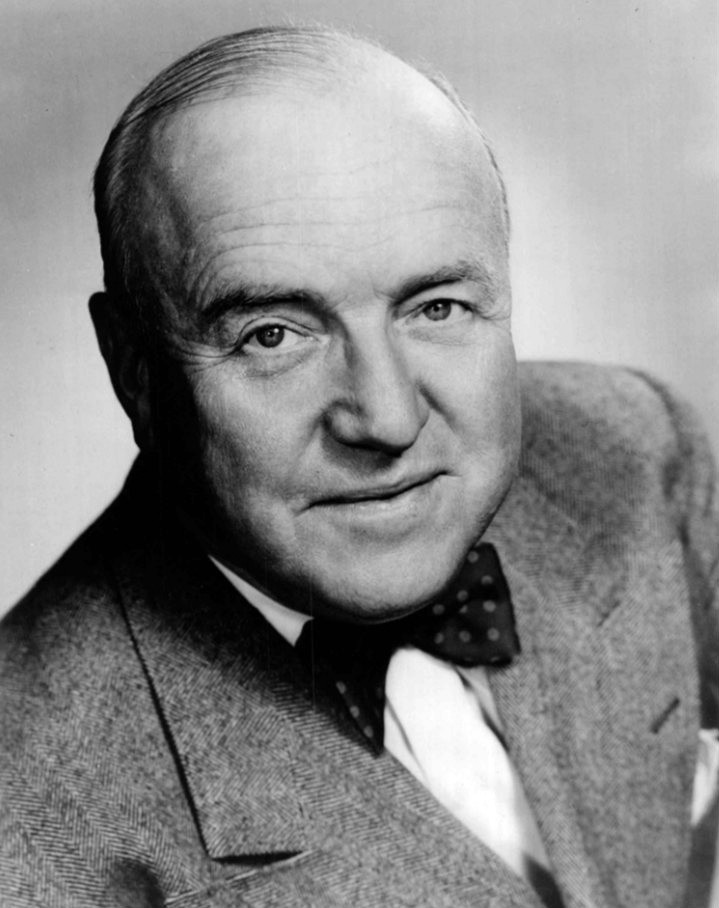
The central ensemble of two married couples provided a stable comic dynamic. Lucy Ricardo, played by Lucille Ball, is resourceful, impulsive and determined to pursue show-business opportunities despite frequent setbacks. Ricky Ricardo, portrayed by Desi Arnaz, is a professional entertainer and the pragmatic foil to Lucy’s schemes. Vivian Vance and William Frawley played Ethel and Fred Mertz, neighbors whose interactions with the Ricardos supplied both complicity and comic opposition. The chemistry among these four performers and their timing in physical and verbal comedy were key to the series’ success.
Production and technical innovations
The series was notable for its early adoption of a production model that shaped future sitcoms. Produced by Ball and Arnaz through their company, the program was filmed on 35 mm film in front of a live studio audience using a multi-camera setup. This approach preserved the energy of live performance while producing high-quality film elements suitable for syndication and archives. The practice of filming before an audience and using several cameras simultaneously became a template for many subsequent situation comedies.
Typical episodes and memorable sequences
Many episodes revolve around Lucy’s elaborate plans to appear on Ricky’s show or otherwise alter her domestic circumstances. Physical comedy and carefully staged sight gags were frequent features; among the best-remembered sequences are a factory assembly-line routine in which Lucy and Ethel struggle to keep up with candy wrapping, and a commercial spot in which Lucy becomes momentarily inebriated on a tonic. The series also included occasional travel or special episodes set in locations such as Hollywood and Italy, and a story arc that incorporated Lucille Ball’s real-life pregnancy into the plotline—an early instance of network television acknowledging pregnancy on screen.
Themes and cultural context
While grounded in mid-20th-century American domestic life, the show engaged with broader themes: ambition and identity within marriage, the intersection of ethnic background and show-business persona (notably Ricky’s Cuban heritage as part of his on-screen character), and the comedic exploration of gender roles. The humor often derived from role reversals, disguises and farcical situations, yet the series also reflected contemporary social norms and has since been the subject of academic study concerning gender, performance and media representation.
Reception, awards and legacy
I Love Lucy was among the highest-rated television programs during its run and ended its broadcast run while still near the top of the Nielsen charts. The show received multiple Emmy Awards and numerous nominations, and in later decades it has been consistently ranked among the greatest television series by critics and industry surveys. Its influence can be seen in subsequent sitcom structure, the use of multi-camera filming, and in the careers of many performers who followed Ball’s comedic style and timing.
Syndication, preservation and continuing popularity
The program’s filmed format aided wide syndication and international distribution. Decades after first airing, the series continued to be licensed for television broadcast and home media release, and it remains a common subject of retrospectives, biographies and historical studies. Preservation efforts and restorations of original film elements have enabled improved transfers for contemporary audiences, and the series continues to be cited in discussions of television history and popular culture.
Influence on television industry
Beyond its creative achievements, the show had a notable impact on television business practices. The producers’ control of the program through their production company helped demonstrate the commercial and creative value of independent production for broadcast networks. The technical choices made on the series influenced how sitcoms were filmed, edited and marketed, and the program’s enduring popularity helped establish the commercial model for syndicated reruns.
Further reading and resources
- General overview and broadcast history
- Lucille Ball: career and biography
- Desi Arnaz: life and influence
- Vivian Vance and supporting cast
- Writers and creative contributors
- The Lucy-Desi Comedy Hour and later specials
- New York City settings and on-screen locales
- Apartment building and stage sets
- Ricky Ricardo as a nightclub bandleader
- Notable episodes and story arcs
- Famous physical-comedy routines
- Candy factory episode and other classics
- Travel episodes: Italy and abroad
- Hollywood-themed episodes and guest stars
- Later settings and narrative changes
- Technical production and filming methods
As both a commercial success and a frequently studied cultural artifact, I Love Lucy continues to be regarded as a landmark in the development of television comedy. Its combination of physical humor, narrative structure and production technique created a model that many later series adapted, and its place in broadcast history remains central to discussions of how television evolved as an entertainment medium in the mid-20th century.
Questions and answers
Q: What is I Love Lucy?
A: I Love Lucy is an American sitcom starring Lucille Ball, Desi Arnaz, Vivian Vance, and William Frawley. It was written by television writer Bob Schiller and first ran from 15 October 1951 to 6 May 1957 on CBS.
Q: Who are the main characters of I Love Lucy?
A: The main characters of I Love Lucy are Ricky and Lucy Ricardo, and oldsters Fred and Ethel Mertz. They all live in the same apartment building. Ricky is a nightclub band leader while Lucy is a housewife.
Q: How long did I Love Lucy run for?
A: The original series ran from 15 October 1951 to 6 May 1957 on CBS. After that it continued for three more seasons with 13 one-hour specials from 1957 to 1960. It was known first as The Lucille Ball-Desi Arnaz Show and later in reruns as The Lucy-Desi Comedy Hour.
Q: What were some of the episodes about?
A: Some episodes revolved around Lucy's attempts to get into Ricky's show while others involved her pulling Fred and Ethel into her schemes. In one episode, they were assembly line workers in a candy factory who couldn't keep up with packaging the candy so they ate it instead! In another episode, Lucy gets drunk on a health tonic while shooting a television commercial. There were also several episodes that followed the couples on trips to Italy and Hollywood.
Q: Was there any real life connection between Lucille Ball & Desi Arnaz?
A: Yes! Ball and Arnaz were actually real-life husband and wife which was woven into the series when they became parents during its run - their son "Little Ricky" was played by a child actor. Eventually they would all move to a rural area in Connecticut together too!
Q: What awards did I Love Lucy win?
A: I Love Lucy won five Emmy Awards as well as numerous other nominations throughout its run time! In 2002, it ranked second on TV Guide's 50 Greatest TV Shows of All Time list; in 2007, it was listed as one of Time magazine's "100 Best TV Shows of All-TIME".
Q: Is I Love Lucy still popular today? A: Yes! Even today, 40 million Americans watch reruns of this iconic show each year making it just as popular now as when it originally aired over 60 years ago!
Related articles
Author
AlegsaOnline.com I Love Lucy Leandro Alegsa
URL: https://en.alegsaonline.com/art/46279
Sources
- cbsnews.com : "TV Guide Names Top 50 Shows"
- time.com : "The 100 Best TV Shows of All-TIME"
- tvguide.com : "I Love Lucy Goes Live! - TV Guide"