
Lucille Ball: American Comedian, Actress, and Television Pioneer
Lucille Ball (1911–1989) was an American comedienne, actress and studio executive whose television work—especially I Love Lucy—reshaped the sitcom, production techniques, and the role of women in entertainment.
Overview
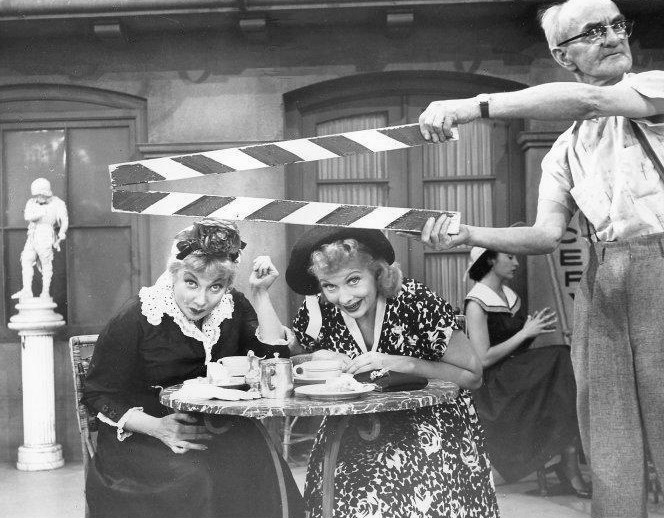
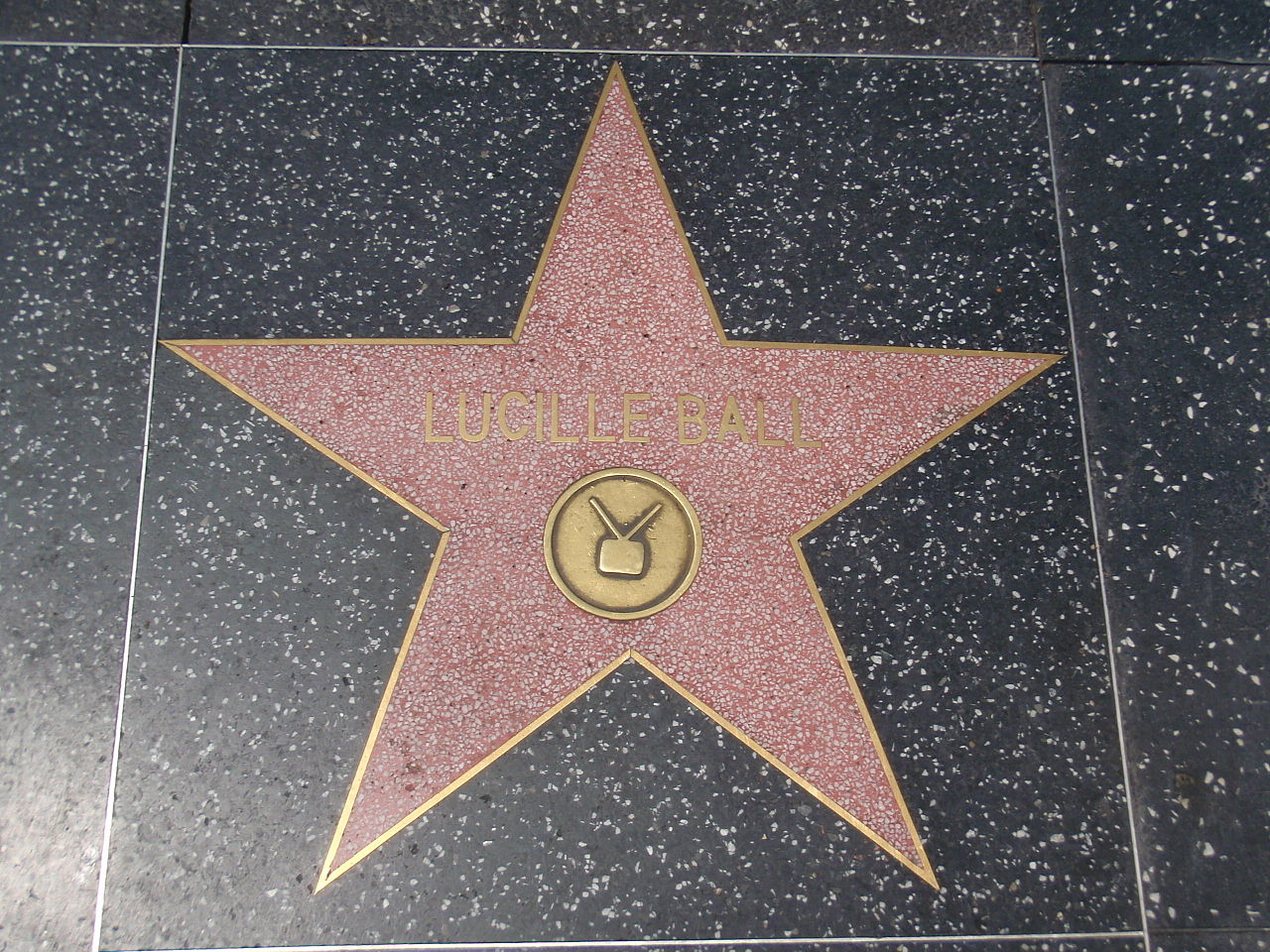
Lucille Ball was an influential performer and businesswoman whose career spanned vaudeville-influenced stage work, radio, film and the golden age of television. Best known for her comic timing, physical humor and expressive face, she became a celebrated comedian and cultural icon. Over several decades she also worked as a model, in movies and as a television actress, while eventually taking a leadership role behind the camera.
Image gallery
10 Images




Early career and rise
Ball began performing in the 1930s, initially in smaller film roles and radio broadcasts. Her early work included appearances in B-movies and comedy shorts that helped her hone the visual, slapstick style that would define her public persona. In 1940s radio and film she built a reputation for dependable comic delivery and a knack for timing, leading to the television breakthrough that made her a nationwide figure.
Breakthrough in television and innovations
Ball reached the height of her fame with the sitcom that debuted in the early 1950s, which showcased domestic comedy, strong ensemble acting and new production methods. She and her collaborators refined the multi-camera technique and filmed before a live audience, a format that became a template for sitcoms that followed. Working with her husband and performance partner, she combined star power with an interest in how shows were produced and distributed.
Major works and roles
- I Love Lucy — the series that cemented her place in American television history.
- The Lucy–Desi Comedy Hour and later series — extended television projects that kept her on screen for decades.
- Film and stage projects — a steady stream of feature films and theatrical appearances during the 1930s–1960s.
Desilu and leadership
Beyond acting, Ball became a pioneering studio executive. After taking control of the production company she co-founded, she guided projects that helped shape television programming. Under her leadership the studio produced influential series that extended beyond her own shows, demonstrating her impact on the industry’s business and creative sides. This role made her one of the first women to run a major entertainment studio and a notable figure in Desilu history and broader Hollywood development.
Legacy and notable facts
Lucille Ball left a lasting mark on comedy, television production and popular culture. She is remembered for her inventive physical comedy, shrewd business instincts and willingness to push production boundaries. Her career is often cited when discussing the evolution of situation comedies, the role of women in media leadership and the establishment of production practices still used today. Details of her life and work continue to be explored in biographies, retrospectives and archival collections, reflecting a multifaceted legacy that spans performance and industry innovation.
Further reading and resources include biographies, television histories and archival materials that document her work as a star and executive; for general context see resources on comedy and television history that examine her contributions in relation to contemporaries and successors.
Questions and answers
Q: When was Lucille Ball born?
A: Lucille Ball was born on August 6, 1911.
Q: What was Lucille Ball's profession?
A: Lucille Ball was an American comedian, model, movie and television actress, and studio executive.
Q: What television shows was Lucille Ball the star of?
A: Lucille Ball was the star of several sitcoms, including I Love Lucy, The Lucy-Desi Comedy Hour, The Lucy Show, Here's Lucy, and Life With Lucy.
Q: Was Lucille Ball popular during her lifetime?
A: Yes, Lucille Ball was one of the most popular and powerful actors in the United States during her lifetime.
Q: When did Lucille Ball's television career begin?
A: Lucille Ball's television career began in the 1950s.
Q: What was the name of the major television studio that Lucille Ball ran?
A: The major television studio that Lucille Ball ran was called Desilu.
Q: What series did Desilu produce?
A: Desilu produced many successful and popular television series.
Related articles
Author
AlegsaOnline.com Lucille Ball: American Comedian, Actress, and Television Pioneer Leandro Alegsa
URL: https://en.alegsaonline.com/art/125468