
Hyundai i30 — compact family hatchback
Overview of the Hyundai i30 compact car: origins, body styles, major variants (including i30 N), platform sharing with Kia cee'd, and its role in global markets and safety/technology evolution.
The Hyundai i30 is a compact family car introduced by Hyundai in 2007. Developed primarily to compete in the small family and compact hatchback segments, it succeeded earlier Hyundai models in some lineups and was engineered with a global market focus. Official manufacturer details are available on the Hyundai i30 page.
Over its lifetime the i30 has been offered in multiple body shapes to suit different buyers: a five‑door hatchback as the core model, estate/wagon versions often marketed as the Tourer, and market-specific liftback or saloon derivatives. Powertrains have ranged from economical naturally aspirated engines to turbocharged petrol and diesel options, paired with manual or automatic transmissions depending on trim and market.
Image gallery
10 Images


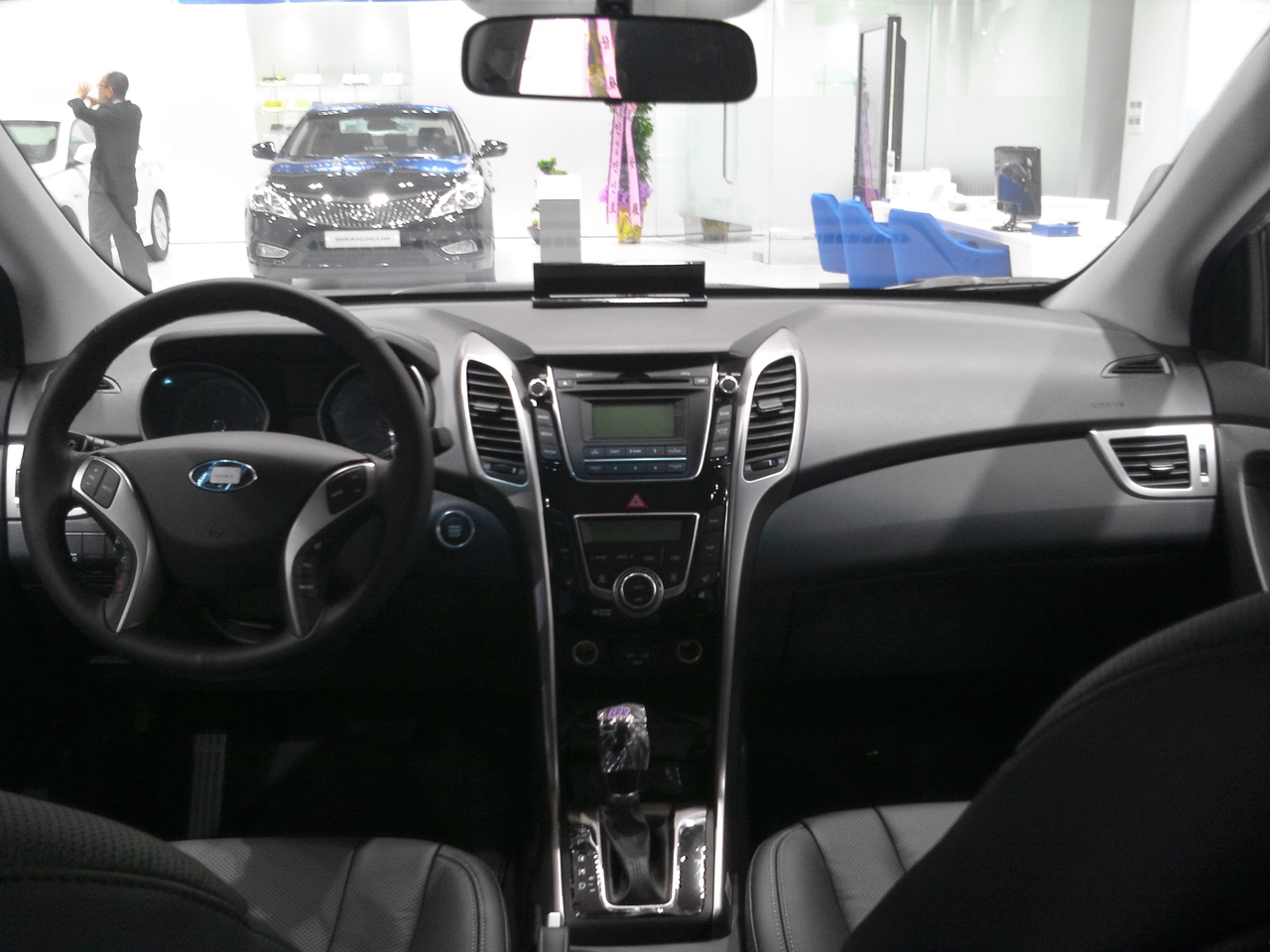


Characteristics and variants
- Practical compact packaging with emphasis on interior space and cargo flexibility.
- Multiple trim levels and equipment choices, covering basic commuter needs to well‑appointed comfort and safety packs.
- Platform sharing with closely related models such as the Kia cee'd, allowing common components and engineering.
Since its launch the i30 has progressed through several generations. Each update typically brought refreshed exterior styling, improved cabin materials, upgraded infotainment and connectivity, and additional driver assistance features. Hyundai has balanced cost, fuel efficiency and emissions to keep the model competitive in its segment.
A notable member of the range is the high‑performance i30 N. Created by Hyundai’s performance division, the N models emphasize stiffer suspension, more powerful engines, and driving characteristics aimed at enthusiasts and occasional track use, distinguishing them from the standard comfort‑oriented trims.
Market role and distinctions
The i30 is widely used as a family and fleet vehicle in Europe, Australia and other regions where hatchbacks are popular. It is commonly compared with rivals in the compact class on safety ratings, running costs and practicality. While related to Hyundai’s Elantra nameplate in the company’s history, the i30 is positioned and engineered as a distinct hatchback line; for historical context see the Elantra and related models.
Related articles
Author
AlegsaOnline.com Hyundai i30 — compact family hatchback Leandro Alegsa
URL: https://en.alegsaonline.com/art/46241