
Hydrogenothermaceae: thermophilic, hydrogen‑oxidizing bacteria of geothermal habitats
Hydrogenothermaceae are a family of thermophilic, chemolithoautotrophic bacteria found in hot springs and hydrothermal vents; they oxidize hydrogen or reduced sulfur and contribute to primary production in extreme environments.
Overview
Hydrogenothermaceae are a group of heat‑loving bacteria commonly encountered in geothermal and hydrothermal ecosystems. Members of this family are adapted to high temperatures and derive energy by oxidizing inorganic compounds rather than relying on sunlight, which makes them important primary producers where photosynthesis is limited.
Image gallery
3 Images

Characteristics and physiology
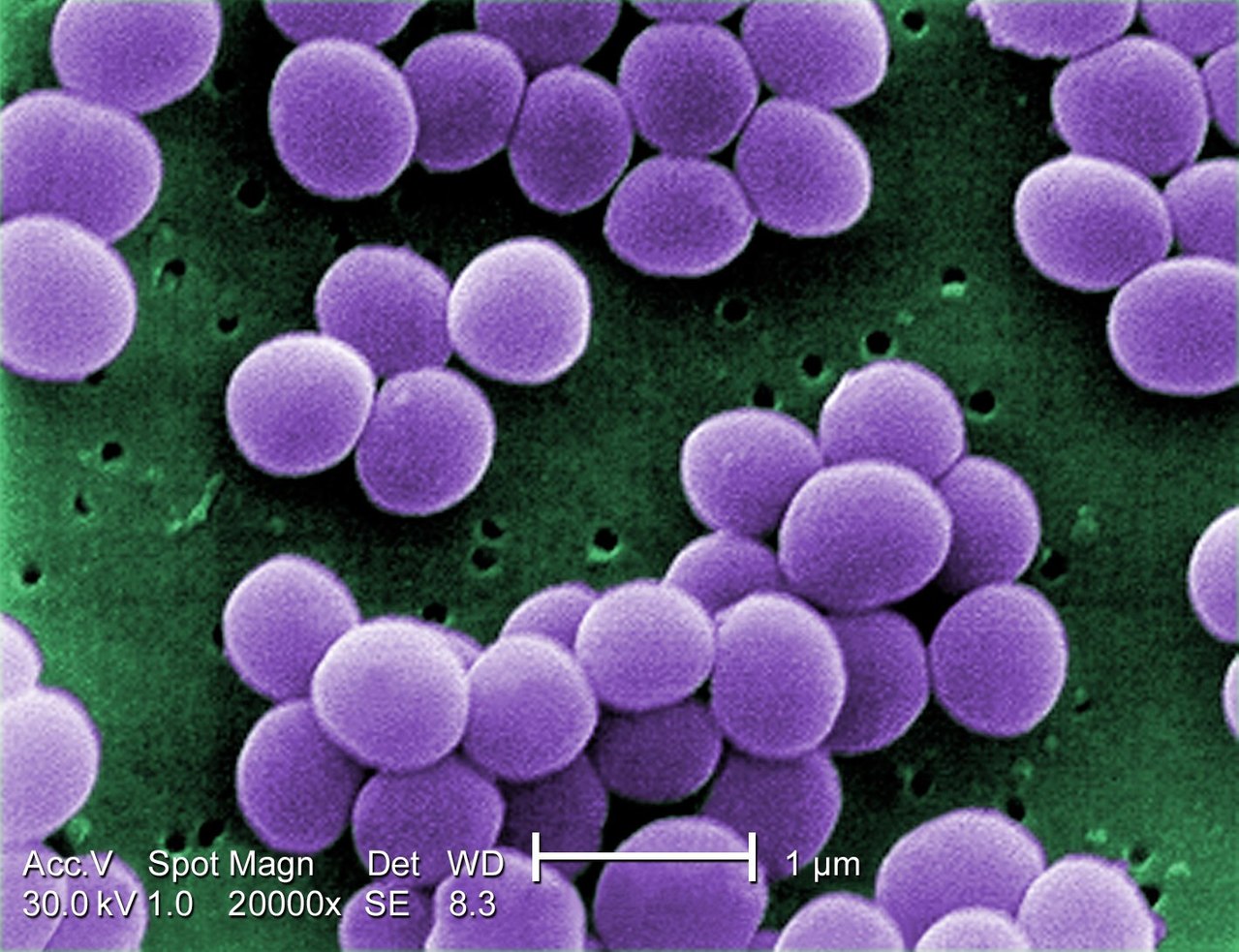
Cells in this family are typically rod‑shaped or filamentous and show traits associated with thermophily: stable enzymes, heat‑resistant membranes, and often a Gram‑negative type cell envelope. Many are chemolithoautotrophs, using hydrogen (H2) or reduced sulfur compounds as electron donors and oxygen, nitrate or other oxidants as electron acceptors. Their metabolism supports growth at temperatures that exclude most other bacteria.
Habitats and ecological role
Hydrogenothermaceae are found in hot springs, sulfur pools and deep‑sea hydrothermal vents. In these environments they can form microbial mats or biofilms and serve as a base of the local food web by converting inorganic chemicals into organic biomass. Their activity influences local geochemistry, including sulfur and hydrogen cycles.
Classification and history
Taxonomically they are placed among early‑branching thermophilic bacterial groups, often associated with the phylum Aquificae (sometimes called Aquificota). The family name reflects characteristic hydrogen‑oxidizing physiology and thermal preference. Studies of these microbes began as microbiologists cultured organisms from hot springs and vents and characterized their unique metabolic traits.
Distinctions and notable facts
Although often coexisting with members of the domain Archaea, Hydrogenothermaceae are true bacteria (bacterial) and have distinct evolutionary origins. They are not exclusive occupants of hot environments—other bacteria and archaea also thrive there—but they stand out for their role in chemolithoautotrophy.
Further reading and resources
- General family information: Hydrogenothermaceae
- Ecology of extreme habitats: extreme environments
- Broad microbial classification resources: bacteria reference
- Comparisons with Archaea: Archaea overview
Related articles
Author
AlegsaOnline.com Hydrogenothermaceae: thermophilic, hydrogen‑oxidizing bacteria of geothermal habitats Leandro Alegsa
URL: https://en.alegsaonline.com/art/46111