
Hymenium — the spore-bearing layer of fungi
The hymenium is the fertile tissue on a fungal fruiting body where asci or basidia form and release spores. Its position and microscopic details are key for identifying and classifying fungi.
Overview
The hymenium is the thin layer of specialized cells on the fruiting part of a fungus where reproductive structures develop. Cells in the hymenium mature into basidia or asci and produce or release spores. The name reflects its function as a membrane-like fertile surface; it forms as the fruiting body (for example a basidiocarp or ascocarp) matures and is essential to sexual reproduction in many fungi.
Image gallery
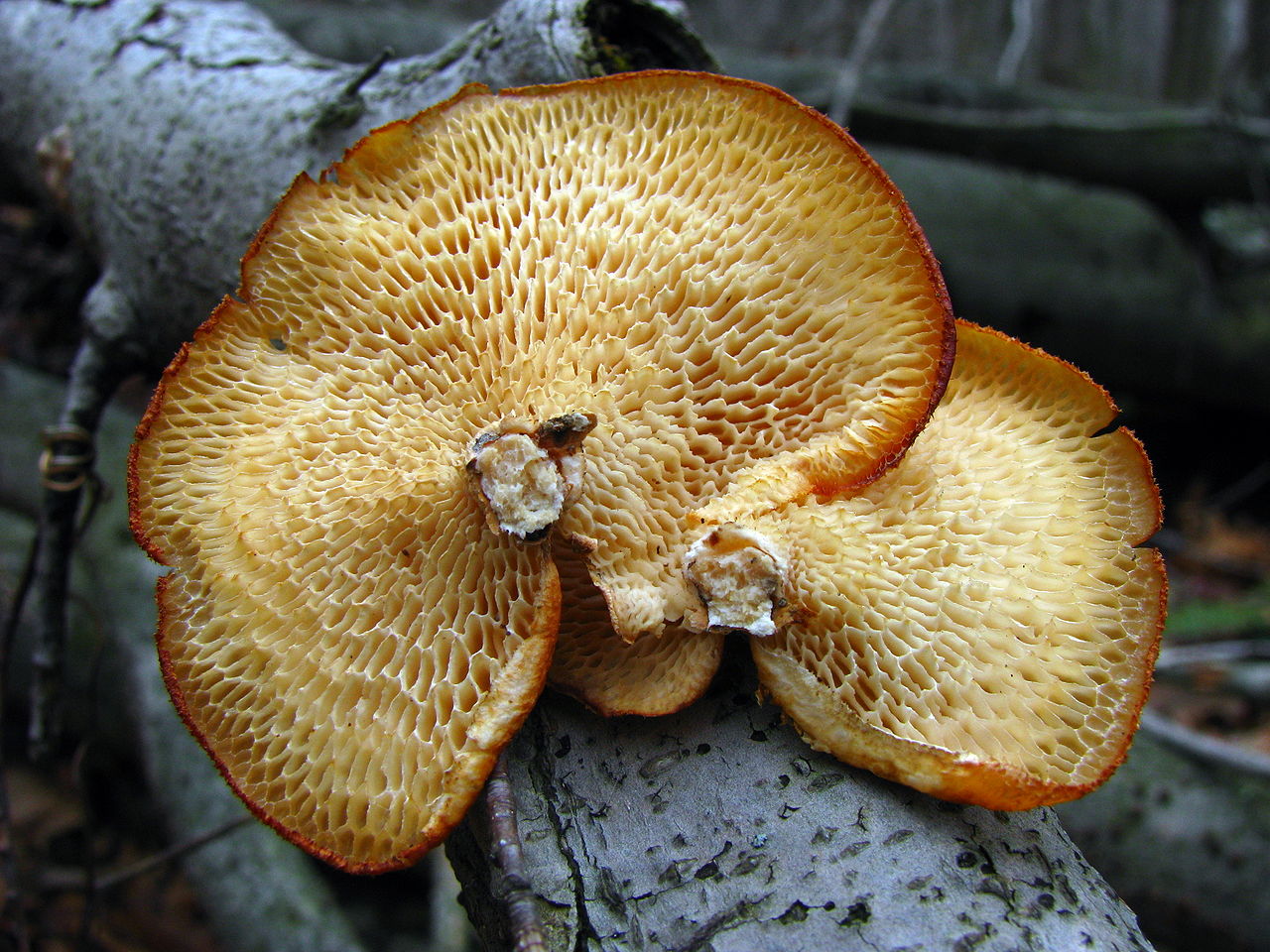
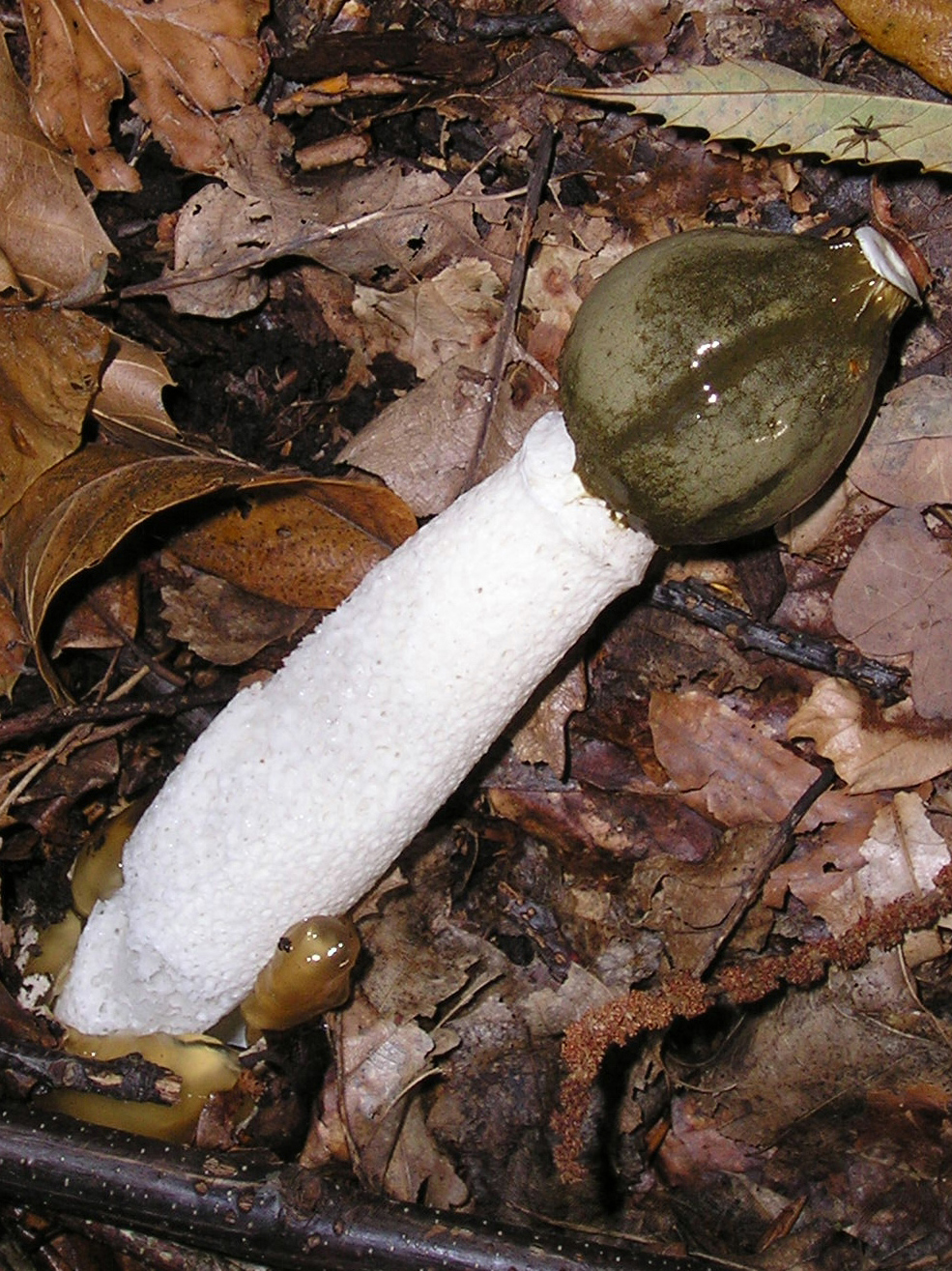
9 Images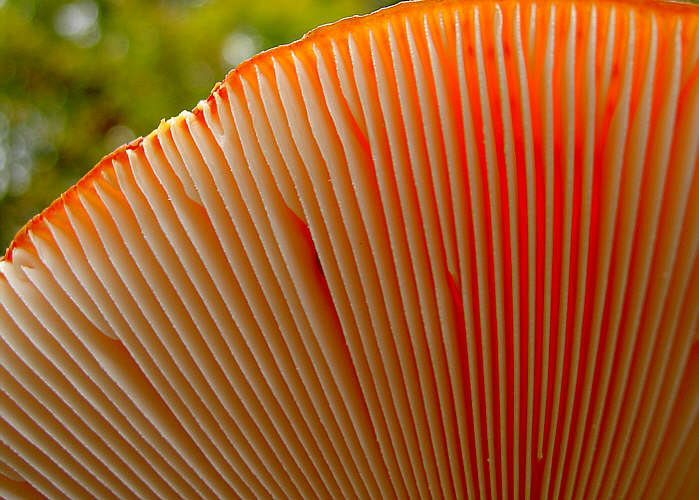



Location and common forms
Position of the hymenium on the hymenophore is one of the first characters mycologists record when describing fruiting bodies such as mushrooms. Common presentations include:
- Gills (lamellae) — radially arranged plates beneath a cap that expose a large surface area.
- Pores and tubes — a porous surface formed by many vertical tubes; typical of boletes and polypores.
- Spines or teeth — downward-pointing projections that bear the hymenium on their faces.
- Smooth, wrinkled, or folded surfaces — an even layer without obvious separate elements, or a folded hymenophore that increases surface area.
Microscopic composition
Microscopically the hymenium contains the actual spore-producing cells and several supporting elements. In Basidiomycota the basidia produce basidiospores, often borne on small stalks called sterigmata; in Ascomycota the asci enclose ascospores. The hymenium typically also includes sterile cells such as cystidia or paraphyses that can help in identification and may influence spore release.
Function, identification and significance
The hymenium's primary role is spore production and dispersal. Many basidia and asci have mechanisms for forcible spore discharge, while other species rely on wind, rain, or animal vectors. Because hymenial position and microscopic structure are relatively consistent within groups, they are widely used in taxonomy and field identification. Knowledge of the hymenium also informs ecological studies, forest pathology, and applications where fungal reproduction matters, such as cultivation or biodiversity surveys.
Notable distinctions
Different hymenial architectures affect how a species releases spores and how it is classified. Observing the hymenium both macroscopically (gills versus pores, teeth, or smooth surfaces) and microscopically (basidia versus asci, presence of cystidia) gives a reliable combination of characters for distinguishing species and understanding their biology.
Questions and answers
Q: What is the hymenium in fungi?
A: The hymenium is the layer of tissue on the hymenophore of the part of a fungus that fruits.
Q: What is the function of the hymenium?
A: The hymenium is where cells grow into basidium or asci, which make spores.
Q: How is the hymenium of mushrooms traditionally used for identification purposes?
A: The location of the hymenium is traditionally the first thing used to identify mushrooms or to group them into families.
Q: What types of fungi produce basidium?
A: Basidiomycota fungi produce basidium.
Q: What types of fungi produce asci?
A: Ascomycota fungi produce asci.
Q: What is the hymenophore in fungi?
A: The hymenophore is the spore-bearing surface of the fruiting body in fungi.
Q: Why is understanding the location of the hymenium important in the study of fungi?
A: Understanding the location of the hymenium is important in the study of fungi because it helps with identifying and grouping them into families.
Related articles
Author
AlegsaOnline.com Hymenium — the spore-bearing layer of fungi Leandro Alegsa
URL: https://en.alegsaonline.com/art/46142