
Hetepheres I — Queen and King’s Mother of Egypt’s Fourth Dynasty
Hetepheres I was a prominent Old Kingdom queen, wife of Sneferu and mother of Khufu. Her intact funerary equipment, found near the Giza pyramids, shed light on Fourth Dynasty art and burial practice.
Hetepheres I, whose name is often rendered as "Her Face Is Satisfied," was a royal woman active at the transition from Egypt's Third to Fourth Dynasty. She is best known as the wife of Pharaoh Sneferu and as the mother of Khufu, the ruler credited with commissioning the Great Pyramid. Her status as Queen and "King’s Mother" made her a central figure in the early Old Kingdom court.
Image gallery
6 Images

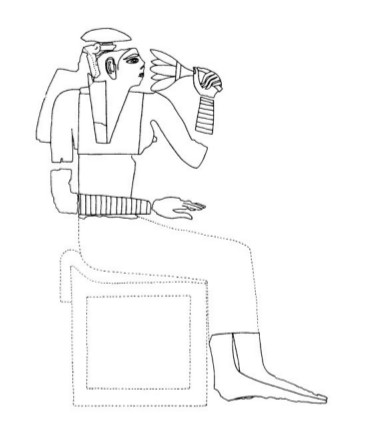


Family, titles, and position
Hetepheres bore several formal titles that emphasized her dynastic importance, including king’s wife and king’s mother. Egyptologists commonly regard her as likely related to the preceding royal line, possibly a daughter of the last Third Dynasty ruler, a connection that would have strengthened Sneferu’s claim to the throne and helped legitimize the Fourth Dynasty succession.
Tomb discovery and contents
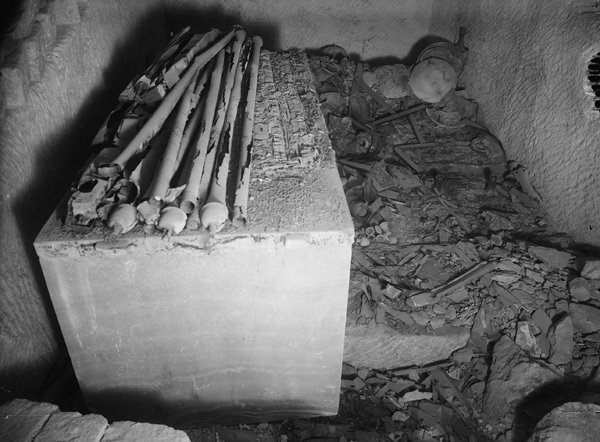
Her burial assemblage was discovered in the early 20th century in a sealed shaft near the royal mastabas at Giza and close to Khufu’s pyramid. Although the human remains were not recovered intact, the chamber contained an exceptional array of funerary furniture and objects that had been carefully arranged and remarkably preserved.
- Gilded and inlaid wooden bed and headrest
- Canopic equipment and storage chests
- Fine jewelry, pottery, and alabaster vessels
- High-quality carved and painted wooden furniture
These items were transferred to the national collection in Cairo and remain a key reference for Old Kingdom material culture studies.
Significance and scholarly notes
The find associated with Hetepheres I has been influential for understanding craftsmanship, funerary ritual, and elite domestic life in early Fourth Dynasty Egypt. Her burial goods illustrate the use of precious materials and sophisticated woodworking at a time when monumental pyramid building was reshaping royal ideology. Although some details about her life and final burial place continue to be debated, Hetepheres I stands out as a vital link between late Third Dynasty traditions and the burgeoning royal state of Ancient Egypt.
Related articles
Author
AlegsaOnline.com Hetepheres I — Queen and King’s Mother of Egypt’s Fourth Dynasty Leandro Alegsa
URL: https://en.alegsaonline.com/art/43949