
Hungarian Vizsla — medium hunting and companion dog
The Hungarian Vizsla is a medium-sized hunting breed from Hungary, known for its affectionate nature, energetic drive, short golden-rust coat, and versatility as a gun dog, sport dog and family companion.
Hungarian Vizsla refers to a medium-sized working and companion dog originally developed in the region of Hungary. Vizslas combine the qualities of a pointer and a retriever: they locate and indicate game for hunters and are willing to retrieve on land and in water. For general breed information see breed profiles.
Image gallery
8 Images

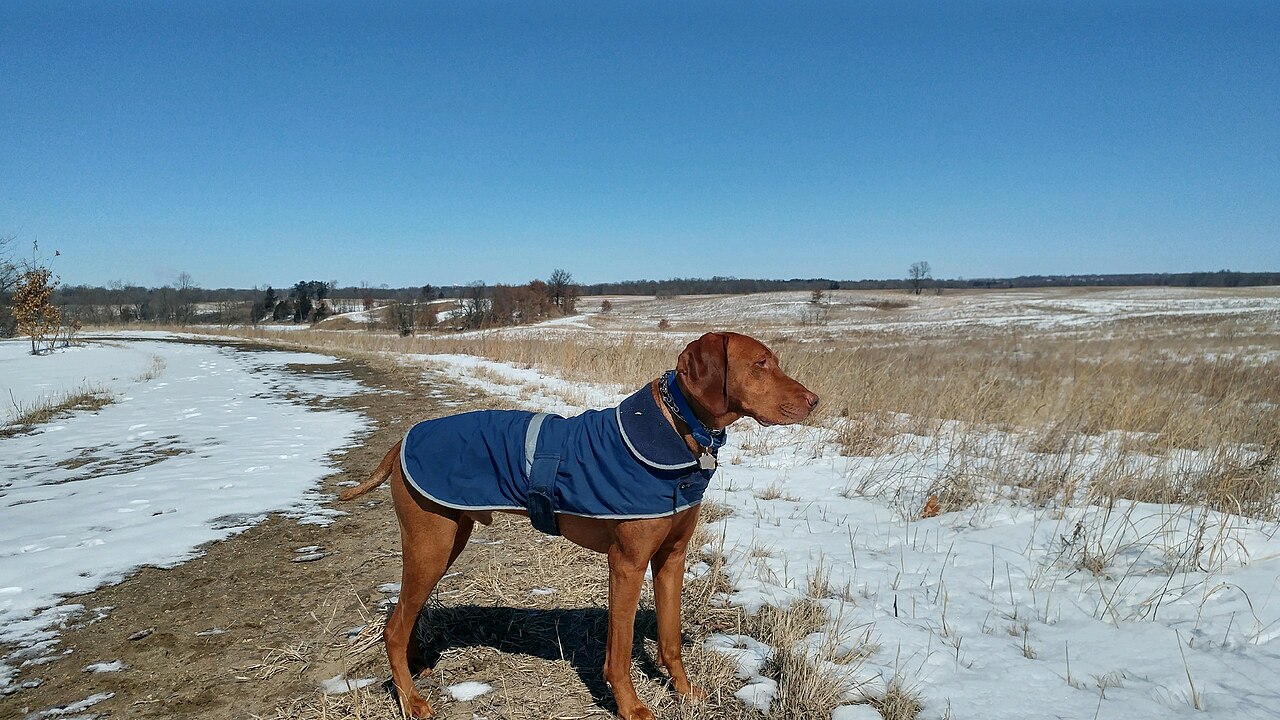


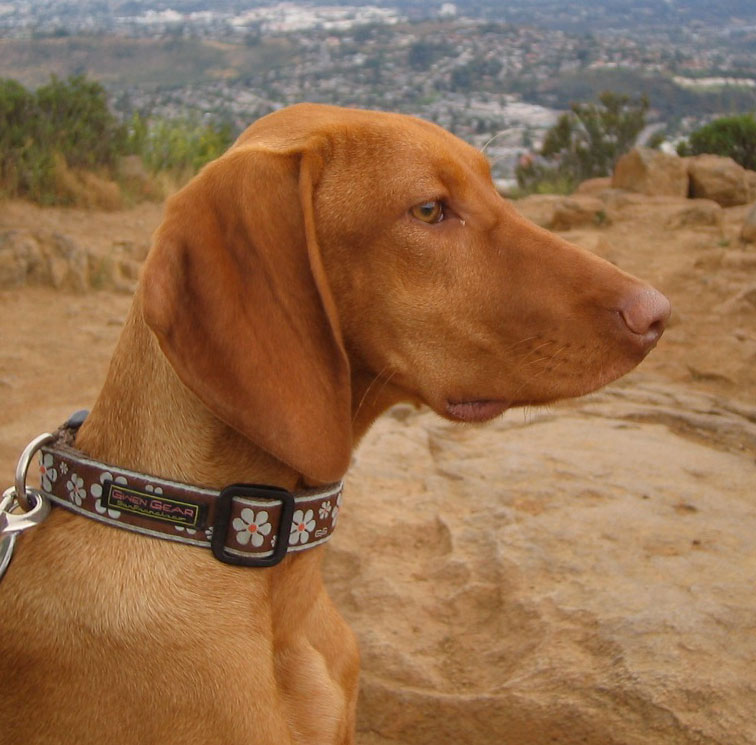
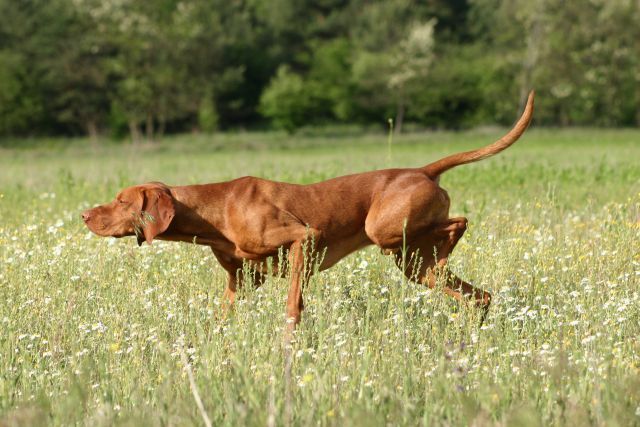

Appearance and temperament
Vizslas have a short, dense coat typically described as golden-rust. Their build is lean and athletic with expressive eyes and long ears. Temperamentally they are often affectionate, people-oriented, and eager to please rather than aggressive. Their strong social bond with owners and high energy levels make them lively household companions.
Key characteristics
- Coat: short, smooth, golden-rust color.
- Energy: high; needs daily vigorous exercise.
- Trainability: intelligent and responsive but requires consistent, positive training.
- Use: versatile hunting tasks, field trials, agility and obedience.
History and development
The Vizsla has deep historical roots in Central Europe and was refined by Hungarian hunters. Over centuries the type was selected for scenting, pointing and retrieving abilities as well as an even temperament. More on its origin and breed clubs can be found via Hungary-related breed histories and organized kennel resources such as national and international clubs.
Uses, activities and suitability
Traditionally a gun dog used for finding and retrieving upland game, the Vizsla today also competes in field trials, agility, and obedience events. They excel where they get both physical exercise and mental tasks. Because of their strong need for companionship and activity, they are best suited to owners who can provide regular exercise, training and social interaction. For practical guidance on hunting and sport with Vizslas see hunting and sport resources.
Care, health and distinctions
Grooming needs are modest due to the short coat but regular exercise, early socialization and consistent training are important. Like all breeds, Vizslas can be predisposed to certain health issues; responsible breeders screen for common concerns. Notable distinctions from similar breeds include the Vizsla's warm rust coloring and particularly close human bonding compared with larger pointing breeds.
Related articles
Author
AlegsaOnline.com Hungarian Vizsla — medium hunting and companion dog Leandro Alegsa
URL: https://en.alegsaonline.com/art/45738